


x

 Renaissance
 1450
1450 25.0 x 16.0 cm
Ręcznie malowany obraz olejny na płótnie, wykonany na zamówienie przez naszych artystów w wybranym przez Ciebie wymiarze i oprawie. ( Zamów wydruk Kup obraz wysokiej rozdzielczości)





























Wybierz spośród naszych standardowych rozmiarów, które zachowują oryginalne proporcje dzieła sztuki.

Możesz wprowadzić własne wymiary, aby dopasować obraz do konkretnej ramy lub przestrzeni. Jeśli wybrany rozmiar nie będzie odpowiadał proporcjom oryginału, przytniecie dzieło sztuki lub rozszerzymy je o dodatkowe elementy, ręcznie domalowane przez artystę. Przed rozpoczęciem produkcji wyślemy projekt cyfrowy do Twojej akceptacji.
Należy pamiętać, że podgląd na ekranie nie odzwierciedla rzeczywistego przycinania ani rozszerzania obrazu. Tylko projekt dokładnie pokaże ostateczną kompozycję.
Choć oferujemy możliwość zamówienia niestandardowych rozmiarów, zalecamy wybór wymiaru z gotowej listy, aby zachować oryginalne proporcje dzieła.
Dostawa na całym świecie () w ciągu 3–4 tygodni zamiast standardowych 5 tygodni. (14 Sierpień). Bez kompromisów w kwestii jakości.


De Sphaera
Wymiary reprodukcji

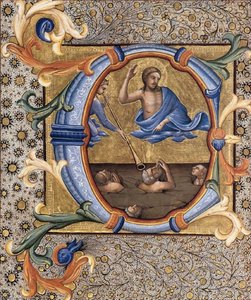
Cristoforo de Predis (c. 1440 – c. 1486) remains an enigmatic figure in the annals of Florentine art history, largely obscured by the brilliance of his contemporaries—Leonardo da Vinci and Michelangelo—yet undeniably significant for his contribution to the burgeoning humanist aesthetic of the Quattrocento.
Born deaf and mute in San Vincenzo near Prato, Cristoforo’s early life was marked by profound limitations that paradoxically fostered a unique perspective on artistic creation. His parents, Leonardo de Predis and Margaret Giussani, were prominent figures in Florentine society, fostering an environment where intellectual curiosity thrived—a circumstance that would prove crucial to his formative years.
Despite his disability, Cristoforo’s talent for illumination quickly emerged, attracting the patronage of influential families like the Borromeo. His distinctive style – characterized by meticulous detail and a masterful understanding of color palettes – distinguished him from many other artists of his time. He embraced the humanist ideals championed by Pico della Mirandola and Marsilio Ficino, reflecting these philosophical currents in his artistic endeavors.
Cristoforo’s oeuvre comprises four extant manuscripts, primarily illuminated Gospels and Psalters, demonstrating a remarkable command of technique and stylistic innovation. Notably, the Borromeo Book of Hours stands as a testament to his skill—a lavishly decorated manuscript featuring intricate floral borders and vibrant pigments that exemplify the artistic fervor of Florence during the Renaissance.
Leonardo da Vinci himself recognized Cristoforo’s exceptional abilities, recounting an encounter where he remarked on the profound wisdom gleaned from individuals devoid of speech. This anecdote underscores the broader humanist preoccupation with sensory experience and intellectual contemplation—themes that resonate throughout Cristoforo’s artistic output.
Cristoforo de Predis's contribution to Renaissance art lies not merely in his technical prowess but also in his embodiment of humanist ideals – a silent witness to an era defined by intellectual exploration and artistic flourishing. His work continues to fascinate scholars today, prompting ongoing debates about the role of disability in fostering creativity and shaping artistic vision.

APS ofrece reproducciones de bellas artes y encargos personalizados desde 2004. Confían en nosotros corporaciones, hoteles y coleccionistas selectos para obras de arte de calidad museística, servicio discreto y soluciones artísticas completas. ¡Póngase en contacto con nosotros para obtener un presupuesto personalizado!
Odkryj 25 arcydzieł Francisco Goyi – od portretów królewskich po dramatyczne 'Czarne Malowidła'. Poznaj historię, technikę i emocje hiszpańskiego mistrza. Reprodukcje obrazów najwyższej jakości na Most-Famous-Paintings.com! Eksploruj kolekcję online.

Odkryj naszą historię! Wprowadzamy światowej klasy sztukę do Twojego życia dzięki starannie dobranym dziełom, personalizowanym kreacjom i bezpłatnym podglądom. Cenione przez osoby prywatne i firmy od 2000 roku.
Explore the captivating world of Pieter de Hooch, a master of Dutch Golden Age painting. Discover his innovative use of light, intimate domestic scenes, and lasting influence on art history. Learn more at Most-Famous-Paintings.

Explore the revolutionary De Stijl movement & Neo-Plasticism with our expert guide. Discover Piet Mondrian, Theo van Doesburg, and the lasting impact of this influential art style. Learn about collecting & investing in De Stijl masterpieces.


Bądź na bieżąco z najnowszymi wiadomościami ze świata sztuki, ekskluzywnymi ofertami i inspiracjami dekoratorskimi.
Opowiedz nam o swoim projekcie, a nasi eksperci przygotują dla Ciebie 3 spersonalizowane propozycje dzieł sztuki.
Przygotujemy dla Ciebie 3 propozycje zupełnie za darmo!


 Podgląd w skali
 Wyślij jako kartkę
 Udostępnij
 Szczegóły dzieła

 Pobierz
 Podobne obiekty
 RTG
RTG Pokaz slajdów
 Rozwiń treść







 Opcja ze szkłem jest dostępna wyłącznie w rozmiarach poniżej 110 cm




![Vida De Miguel De Cervantes Saavedra (life Of Miguel De Cervantes Saavedra). Book V Of The Edition Of Don Quixote (biblioteca Nacional De España)\n\n[7] — Martín Fernández De Navarrete Y Ximénez De Tejada, Academic Art](/media/artworks/images/thumbnails/99/f9/99f969c294754562907a5ffd062310fa.jpg)

