


x

 Oil On CanvasWallArtModernism
 1937Modern
 59.0 x 50.0 cm
 The Hepworth Wakefield
Ręcznie malowany obraz olejny na płótnie, wykonany na zamówienie przez naszych artystów w wybranym przez Ciebie wymiarze i oprawie. ( Zamów wydruk Kup obraz wysokiej rozdzielczości)





























Wybierz spośród naszych standardowych rozmiarów, które zachowują oryginalne proporcje dzieła sztuki.

Możesz wprowadzić własne wymiary, aby dopasować obraz do konkretnej ramy lub przestrzeni. Jeśli wybrany rozmiar nie będzie odpowiadał proporcjom oryginału, przytniecie dzieło sztuki lub rozszerzymy je o dodatkowe elementy, ręcznie domalowane przez artystę. Przed rozpoczęciem produkcji wyślemy projekt cyfrowy do Twojej akceptacji.
Należy pamiętać, że podgląd na ekranie nie odzwierciedla rzeczywistego przycinania ani rozszerzania obrazu. Tylko projekt dokładnie pokaże ostateczną kompozycję.
Choć oferujemy możliwość zamówienia niestandardowych rozmiarów, zalecamy wybór wymiaru z gotowej listy, aby zachować oryginalne proporcje dzieła.
Dostawa na całym świecie () w ciągu 3–4 tygodni zamiast standardowych 5 tygodni. (13 Sierpień). Bez kompromisów w kwestii jakości.


Double Self Portrait (recto)
Wymiary reprodukcji
In the quiet, contemplative depths of Double Self Portrait (recto), we encounter more than just a likeness; we enter the private sanctuary of one of the twentieth century's most profound British visionaries. Painted in 1937, this evocative oil on canvas serves as a window into the psyche of David Bomberg, a man whose artistic journey navigated the turbulent waters of Cubism, Futurism, and a deeply personal expressive realism. The portrait captures a moment of profound stillness, where the artist gazes downward, perhaps lost in the very creative currents that defined his life's work. There is an undeniable intimacy in this composition, as if the viewer has been granted silent permission to witness a private moment of reflection.
The subject, rendered with a masterful command of form, presents a man characterized by a rugged, thoughtful dignity. Clad in a simple blue shirt and crowned by a dark, somber hat, the figure’s bearded countenance is the focal point of an emotional narrative. The downward tilt of the head suggests a heavy introspection, a weight of thought that resonates through the textured layers of oil paint. Bomberg utilizes his brush to sculpt light and shadow across the face, creating a sense of volume that feels both physically present and spiritually ethereal. This technique does not merely replicate a surface appearance; it breathes life into the skin and fabric, inviting the observer to feel the gravity of the artist's internal monologue.
Technically, the work is a testament to the enduring power of the oil medium. The brushwork, while controlled, possesses an organic vitality that avoids the sterility of mere imitation. One can sense the deliberate application of pigment, building up layers that catch the light in subtle, shifting ways. This tactile quality makes the piece particularly captivating for collectors and interior designers alike; it is a work that demands attention not through loud colors, but through its sophisticated interplay of tone and texture. The palette, dominated by deep blues, earthy shadows, and the stark contrast of the black hat, creates a moody, atmospheric environment that can anchor a room with its quiet strength and historical gravitas.
For those seeking to bring a piece of art history into a contemporary space, Double Self Portrait (recto) offers an unparalleled opportunity. It is a work that transcends mere decoration, acting instead as a conversation piece that speaks of resilience, introspection, and the enduring human spirit. Whether placed in a curated gallery setting or as a focal point in a sophisticated study, this reproduction carries with it the legacy of the 'Whitechapel Boys' and the avant-garde movements of the early 1900s. It is an invitation to pause, to look inward, and to find beauty in the profound simplicity of a single, captured moment of thought.

Urodzony dla polskich żydowskich rodziców-imigrantów, Abrahama i Rebeki Bomberg, początkowo studiował w City and Guilds Technical Art School, zanim przeszedł szkolenie litograficzne w Birmingham.
Studiował pod okiem Waltera Sickerta w Westminster School of Art (1908-1als10), czerpiąc inspirację z koncentracji Sickerta na formie i życiu miejskim. Istotnym momentem było zetknięcie się z twórczością Paula Cézanne’a za sprawą wystawy Rogera Fry’a z 1910 roku pt. „Manet i postimpresjoniści”. Studiował również w Slade School of Art (1911), gdzie zdobył nagrodę Tonks Prize za rysunek przedstawiający jego kolegę ze studiów, Isaaca Rosenberga.
Doświadczenia żołnierza szeregowego podczas I wojny światowej głęboko wpłynęły na jego wizję artystyczną, prowadząc do odejścia od abstrakcji.
Lata 20. XX wieku przyniosły zmianę w stronę stylu bardziej figuralnego, skupionego na portretach i pejzażach malowanych bezpośrednio z natury. Rozwinął coraz bardziej ekspresjonistyczną technikę, charakteryzującą się bogatą fakturą impastu oraz emocjonalnym natężeniem.
Szerokie podróże przez Bliski Wschód (szczególnie Palestynę) oraz Europę znacząco wpłynęły na jego późniejszą twórczość. Jego przedstawienia Jerozolimy są szczególnie godne uwagi.

1890 - 1957 , Wielka Brytania

Odkryj 10 najsłynniejszych obrazów w odcieniach szaroniebieskiego! Poznaj historie Claude Moneta, Degasa i Van Gogha. Inspiracje wnętrzarskie i reprodukcje najwyższej jakości na Most-Famous-Paintings.com – sztuka dla Twojego domu.

Odkryj 10 słynnych obrazów, w których czerń króluje! Poznaj historie artystów, ekspresjonizm i mroczną paletę barw. Reprodukcje dzieł sztuki najwyższej jakości na Most-Famous-Paintings.com – inspiracje do wnętrz i kolekcjonerstwo.

Odkryj fascynującą historię błękitu w sztuce! Poznaj symbolikę, psychologię i wpływ tego koloru na arcydzieła renesansu i współczesne trendy. Ekspercka analiza dla miłośników sztuki.
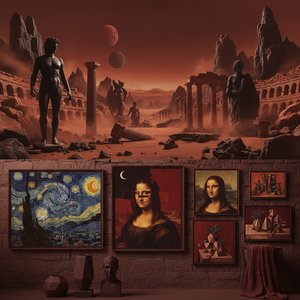
Odkryj 10 słynnych obrazów, w których dominuje głęboka czerń – od Rembrandta po Picassa. Poznaj historie artystów i techniki tworzenia mrocznych arcydzieł. Reprodukcje najwyższej jakości na Most-Famous-Paintings.com! Eksploruj kolekcję online.
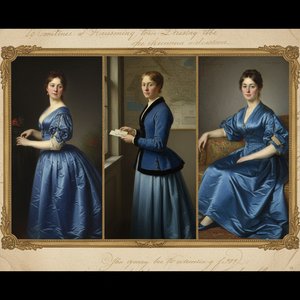
Explore the rich history of the blue dress in Western art! Discover its symbolism, from Renaissance masterpieces to modern interpretations by artists like Martin & Schiele. Uncover cultural meanings and artistic techniques.


Bądź na bieżąco z najnowszymi wiadomościami ze świata sztuki, ekskluzywnymi ofertami i inspiracjami dekoratorskimi.
Opowiedz nam o swoim projekcie, a nasi eksperci przygotują dla Ciebie 3 spersonalizowane propozycje dzieł sztuki.
Przygotujemy dla Ciebie 3 propozycje zupełnie za darmo!


 Podgląd w skali
 Wyślij jako kartkę
 Udostępnij
 Szczegóły dzieła

 Pobierz
 Podobne obiekty
 RTG
RTG Pokaz slajdów
 Rozwiń treść







 Opcja ze szkłem jest dostępna wyłącznie w rozmiarach poniżej 110 cm


