


x


 Oil On CanvasWallArtVorticism
 Modern
 152.0 x 224.0 cm
 Tate Britain
Ręcznie malowany olej na płótnie w Twoim wymiarze i ramie, tworzony na zamówienie przez naszych artystów. ( Przejdź do wydruku Przełącz na obraz)





























Wybierz spośród naszych predefiniowanych rozmiarów, które zachowują oryginalne proporcje dzieła sztuki.

Możesz wprowadzić własne wymiary, aby dopasować obraz do konkretnej ramy lub przestrzeni. Jeśli wybrany rozmiar nie będzie odpowiadał proporcjom oryginału, przytniecie dzieło sztuki lub rozszerzymy je o dodatkowe elementy, ręcznie domalowane przez artystę. Przed rozpoczęciem produkcji wyślemy projekt cyfrowy do Twojej akceptacji.
Należy pamiętać, że podgląd na ekranie nie odzwierciedla rzeczywistego przycinania ani rozszerzania obrazu. Tylko projekt dokładnie pokaże ostateczną kompozycję.
Choć oferujemy możliwość zamówienia niestandardowych rozmiarów, zalecamy wybór wymiaru z gotowej listy, aby zachować oryginalne proporcje dzieła.
Dostawa na całym świecie () w ciągu 3/4 tygodni zamiast standardowych 5 tygodni. (31 Lipiec). Bez kompromisów w kwestii jakości.


The Mud Bath
Wymiary reprodukcji
In the realm of early twentieth-century modernism, few works capture the raw, pulsating energy of the machine age quite like David Bomberg’s The Mud Bath. This Vorticist masterpiece serves as a breathtaking exploration of movement, where the boundaries between form and void dissolve into a rhythmic dance of geometry. At first glance, the viewer is met with a controlled chaos—a complex web of interlocking triangles, rectangles, and irregular polygons that seem to vibrate against a muted, earthy backdrop. The composition is anchored by a central vertical axis, reminiscent of a structural pillar or a primordial tree, which acts as a stabilizer for the swirling, angular fragments that orbit it. It is a painting that does not merely sit upon the canvas but seems to actively construct itself before the eyes of the observer.
The color palette of this work is both disciplined and profoundly impactful, utilizing a limited spectrum to achieve maximum visual tension. A dominant, fiery red provides an intense warmth that surges through the composition, while sharp strikes of cobalt blue offer a cooling contrast, adding much-needed depth to the flattened pictorial plane. These primary tones are punctuated by brilliant whites that highlight the edges of the geometric shards, creating a crisp, staccato rhythm. The background, a soft and understated beige, provides a grounding element that prevents the vibrant shapes from feeling untethered, allowing the structural complexity of the work to remain the focal point.
To understand The Mud Bath, one must look toward the radical artistic movements of the post-war era. Bomberg, a prominent figure among the 'Whitechapel Boys,' was deeply immersed in the avant-garde currents of Cubism and Futurism. This specific piece exemplifies the essence of Vorticism—a movement that sought to find the "vortex" at the heart of modern life, capturing the dynamism and mechanical precision of an industrializing world. Unlike the more fluid abstractions found in other movements, Bomberg’s approach here is architectural and structural; he strips away the superficiality of nature to reveal the underlying skeletal energy of the subject matter.
While the title might suggest a literal depiction of a landscape or a natural process, the painting functions primarily as an exploration of pure form. Any connection to the organic—the suggestion of foliage, water, or earth—is purely symbolic, serving as a ghostly echo of reality beneath the heavy layers of abstraction. For the discerning collector or interior designer, this artwork offers more than just visual interest; it provides a sophisticated focal point that commands attention through its historical weight and structural integrity. A high-quality reproduction of this piece brings with it an aura of intellectual depth and a bold, modern aesthetic that can transform a contemporary space into a gallery of profound artistic significance.

Urodzony dla polskich żydowskich rodziców-imigrantów, Abrahama i Rebeki Bomberg, początkowo studiował w City and Guilds Technical Art School, zanim przeszedł szkolenie litograficzne w Birmingham.
Studiował pod okiem Waltera Sickerta w Westminster School of Art (1908-1als10), czerpiąc inspirację z koncentracji Sickerta na formie i życiu miejskim. Istotnym momentem było zetknięcie się z twórczością Paula Cézanne’a za sprawą wystawy Rogera Fry’a z 1910 roku pt. „Manet i postimpresjoniści”. Studiował również w Slade School of Art (1911), gdzie zdobył nagrodę Tonks Prize za rysunek przedstawiający jego kolegę ze studiów, Isaaca Rosenberga.
Doświadczenia żołnierza szeregowego podczas I wojny światowej głęboko wpłynęły na jego wizję artystyczną, prowadząc do odejścia od abstrakcji.
Lata 20. XX wieku przyniosły zmianę w stronę stylu bardziej figuralnego, skupionego na portretach i pejzażach malowanych bezpośrednio z natury. Rozwinął coraz bardziej ekspresjonistyczną technikę, charakteryzującą się bogatą fakturą impastu oraz emocjonalnym natężeniem.
Szerokie podróże przez Bliski Wschód (szczególnie Palestynę) oraz Europę znacząco wpłynęły na jego późniejszą twórczość. Jego przedstawienia Jerozolimy są szczególnie godne uwagi.

1890 - 1957 , Wielka Brytania
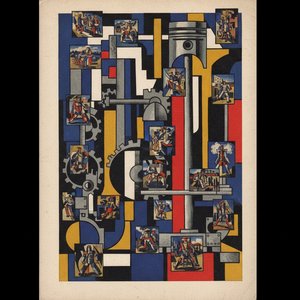
Odkryj 25 arcydzieł Fernanda Légera – pioniera kubizmu i malarstwa maszyn. Poznaj historię, technikę i inspiracje tych ikonicznych obrazów. Reprodukcje najwyższej jakości na Most-Famous-Paintings.com! Eksploruj pełną kolekcję online.
Odkryj 25 arcydzieł Wassily Kandinskiego – pioniera abstrakcji i ekspresjonizmu! Poznaj historie, techniki i emocje kryjące się za jego kolorowymi kompozycjami. Reprodukcje obrazów najwyższej jakości na Most-Famous-Paintings.com. Eksploruj pełną kolekcję online!

Odkryj 25 arcydzieł Metropolitańskiego Muzeum Sztuki! Van Gogh, Monet, Renoir i inni – historie artystów, techniki i inspiracje dla Twojego wnętrza. Reprodukcje najwyższej jakości na Most-Famous-Paintings.com. Eksploruj kolekcję online!

Odkryj 25 arcydzieł MoMA! Poznaj historie Van Gogha, Picassa i Warhola. Reprodukcje słynnych obrazów, inspiracje wnętrzarskie i dekoracje ścienne najwyższej jakości. Most-Famous-Paintings.com – sztuka dla Twojego domu.

Explore the groundbreaking work of David Bomberg, a pivotal figure in British abstraction. Discover his artistic evolution, influences, and lasting legacy through insightful analysis & expert commentary.


Bądź na bieżąco z najnowszymi wiadomościami ze świata sztuki, ekskluzywnymi ofertami i inspiracjami dekoratorskimi.
Opowiedz nam o swoim projekcie, a nasi eksperci od sztuki przygotują dla Ciebie 3 spersonalizowane propozycje dzieł sztuki.
Pozwól nam przygotować 3 propozycje specjalnie dla Ciebie – za darmo!


 Podgląd w skali
 Udostępnij
 Udostępnij
 Szczegóły dzieła

 Pobierz
 Podobne obiekty
 RTG
RTG Pokaz slajdów
 Rozwiń treść







 Opcja szkła jest dostępna wyłącznie w rozmiarach poniżej 110 cm


