


x
Kup wysokiej rozdzielczości, ulepszony obraz cyfrowy o znacznie wyższej jakości niż podgląd online.
Każdy plik jest starannie przygotowywany przez naszych specjalistów przy użyciu zaawansowanych narzędzi oraz profesjonalnej, ręcznej retuszy. Dbamy o to, aby każdy obraz cechował się wyjątkową ostrością, precyzyjnym odwzorowaniem kolorów i subtelnymi detalami.
Ostateczny plik dostarczany jest drogą mailową w ciągu 72 godzin, zoptymalizowany do natychmiastowego wykorzystania w profesjonalnych zastosowaniach redakcyjnych i poligraficznych. To ta sama jakość, której ufają czołowe studia projektowe, wydawnictwa oraz galerie sztuki.
Pobierz plik o wysokiej rozdzielczości do osobistego wyświetlania, druku oraz projektów kreatywnych. ( Zamów wydruk Zamów ręcznie malowaną reprodukcję)
Wybierając Most-Famous-Paintings.com, nie otrzymujesz jedynie obrazu – otrzymujesz profesjonalnie udoskonalone cyfrowe dzieło sztuki, stworzone z najwyższą precyzją i objęte gwarancją satysfakcji. Oto wszystko, co automatycznie dołączane jest do Twojego zamówienia:

Plik z obrazem cyfrowym w wysokiej rozdzielczości zostanie przesłany na Twój adres e-mail w ciągu 72 godzin od złożenia zamówienia – gotowy do natychmiastowego użycia.

Twoja grafika została profesjonalnie zoptymalizowana przy użyciu zaawansowanych narzędzi AI oraz ręcznej edycji, co zapewnia maksymalną szczegółowość, klarowność i wierność kolorów.

Przypadkowo usunąłeś lub zgubiłeś swój plik? Bez obaw – prześlemy go Tobie ponownie w dowolnym momencie, bez żadnych opłat.

Ciesz się swoją sztuką natychmiast, bez żadnych opłat celnych, należności ani kosztów dostawy – pliki cyfrowe są zawsze wolne od podatku.

Dzięki zastosowaniu profesjonalnych narzędzi i procesów zarządzania barwą zapewniamy, że Twoje cyfrowe zdjęcie odzwierciedla oryginalne kolory tak wiernie, jak to tylko możliwe.

Jeśli nie będziesz zadowolony ze swojego cyfrowego obrazu, dokonamy jego poprawki lub zwrócimy 100% kosztów w ciągu 60 dni – bez żadnych pytań.

Nie jesteś zadowolony? Otrzymaj pełny zwrot kosztów w ciągu 60 dni od otrzymania pliku cyfrowego – bez zbędnych pytań.

Kup 3 obrazy, oszczędź 10% - Kup 5, oszczędź 15% - Kup 10+, oszczędź 20%. Idealne do projektów kreatywnych, galerii i agencji.

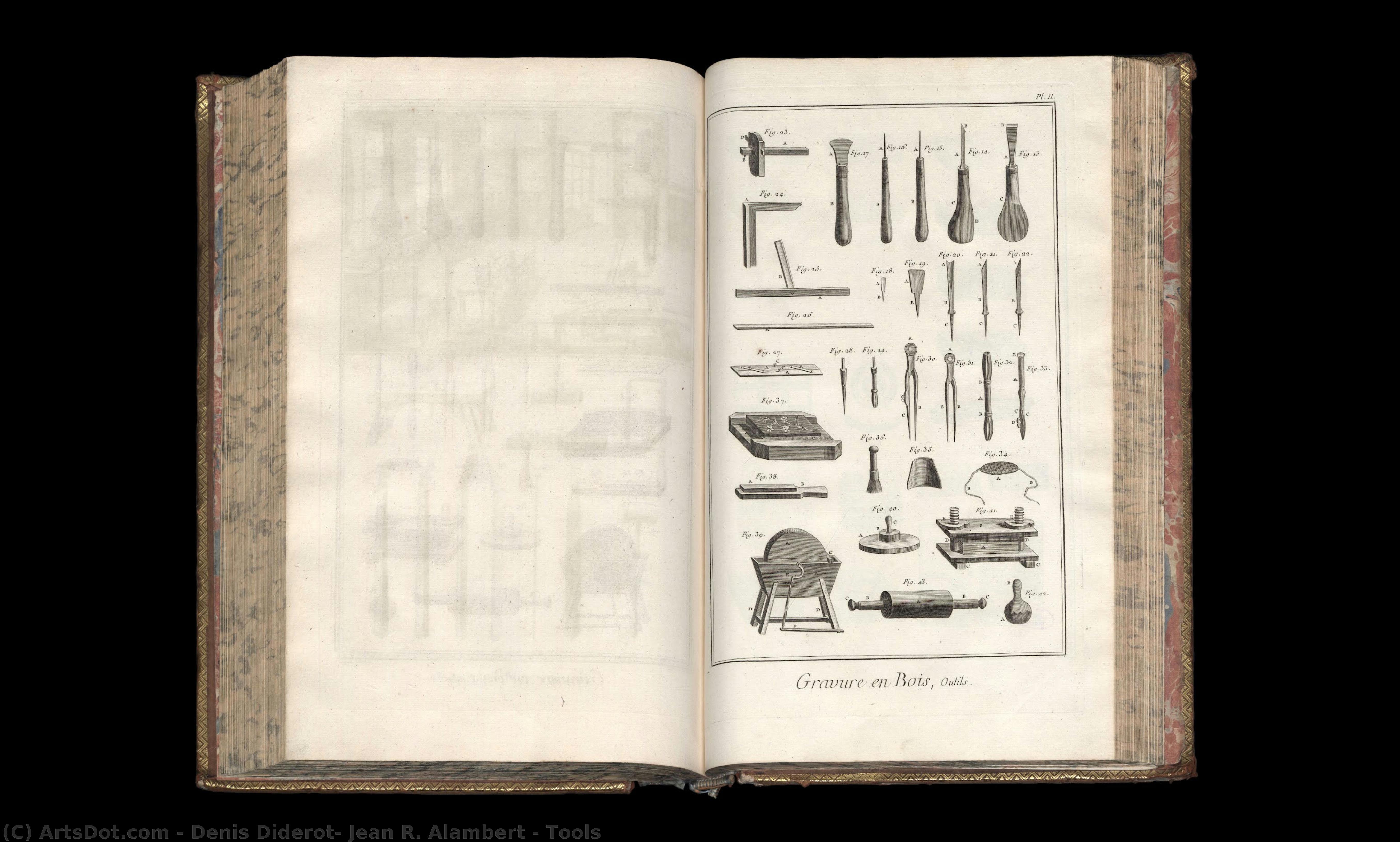
In the vibrant, turbulent heart of 18th-century France, a unique creative synergy emerged that bridged the gap between rigorous scientific inquiry and the delicate beauty of decorative art. Denis Diderot and Jean R. Alambert were not merely contemporaries; they were architects of an intellectual revolution known as the Enlightenment. While Diderot is immortalized in the annals of history as a formidable philosopher, playwright, and the driving force behind the monumental Encyclopédie, his connection to the artistic mastery of figures like Alambert reveals a deeper, more tactile dimension to his legacy. Their shared era was one where the pursuit of reason sought a physical form, finding it in the meticulous craftsmanship of book arts and the dissemination of human knowledge through visual splendor.
Born in Langres in 1713, Diderot’s early life was shaped by a tension between tradition and rebellion. The son of a cutler, he initially pursued a path toward the clergy, yet his inquisitive spirit eventually led him to embrace a bohemian existence that defied the rigid social structures of his time. This restless intellect found its most profound expression in his collaboration with Jean le Rond d'Alembert. Together, they embarked on the Herculean task of compiling the Encyclopédie, a project intended to catalog the entirety of human understanding. This was not merely an academic endeavor; it was a visual and philosophical crusade. To Diderot, the mechanical arts were as worthy of study as the liberal arts, and this belief necessitated a profound appreciation for the physical beauty of the objects being described—the very tools, techniques, and textures that defined the era.
Beyond the lofty debates of philosophy, the legacy of Diderot and Alambert is etched into the very edges of history through the exquisite medium of book edge marbling. This technique, which transformed the margins of printed volumes into swirling landscapes of color, served as a perfect metaphor for the Enlightenment itself: a controlled dance of organic movement guided by scientific precision. The duo’s influence extended into the realm of the decorative arts, where the application of complex marbling patterns elevated the book from a mere vessel of information to a precious object of aesthetic contemplation.
The mastery involved in these techniques required an intimate understanding of chemistry and fluid dynamics, much like the scientific rigor Diderot championed. The process of creating paper marblers' patterns—achieved by floating pigments on a mucilaginous surface—mirrored the way new ideas were being floated into the public consciousness: disruptive, colorful, and impossible to ignore. Through their work, the boundaries between the intellectual and the ornamental dissolved, proving that the pursuit of truth could be as visually captivating as it was intellectually demanding.
The enduring impact of their contributions can be seen in several key areas:
As the 18th century drew to a close, the radical ideas championed by Diderot and the meticulous artistry associated with the era's craftsmen began to reshape the modern world. Diderot’s writings, though often censored or published posthumously, challenged autocracy and promoted a morality rooted in human experience rather than religious dogma. His ability to find profound meaning in the "mechanical arts" ensured that the physical reality of human progress was never lost in the abstract clouds of theory.
Today, when we look upon a beautifully marbled book edge or study the intricate engravings of the Encyclopédie, we are witnessing the survival of an era that dared to dream of total clarity. The partnership of intellect and artistry embodied by Diderot and his contemporaries remains a powerful reminder that true enlightenment requires both the light of reason to illuminate the mind and the hand of the artist to give that light a form we can touch, hold, and admire.

1713 - 1784 , France


Bądź na bieżąco z najnowszymi wiadomościami ze świata sztuki, ekskluzywnymi ofertami i inspiracjami dekoratorskimi.
Opowiedz nam o swoim projekcie, a nasi eksperci przygotują dla Ciebie 3 spersonalizowane propozycje dzieł sztuki.
Przygotujemy dla Ciebie 3 propozycje zupełnie za darmo!


 Podgląd w skali
 Wyślij jako kartkę
 Udostępnij
 Szczegóły dzieła

 Pobierz
 Podobne obiekty
 RTG
RTG Pokaz slajdów
 Rozwiń treść





