


x
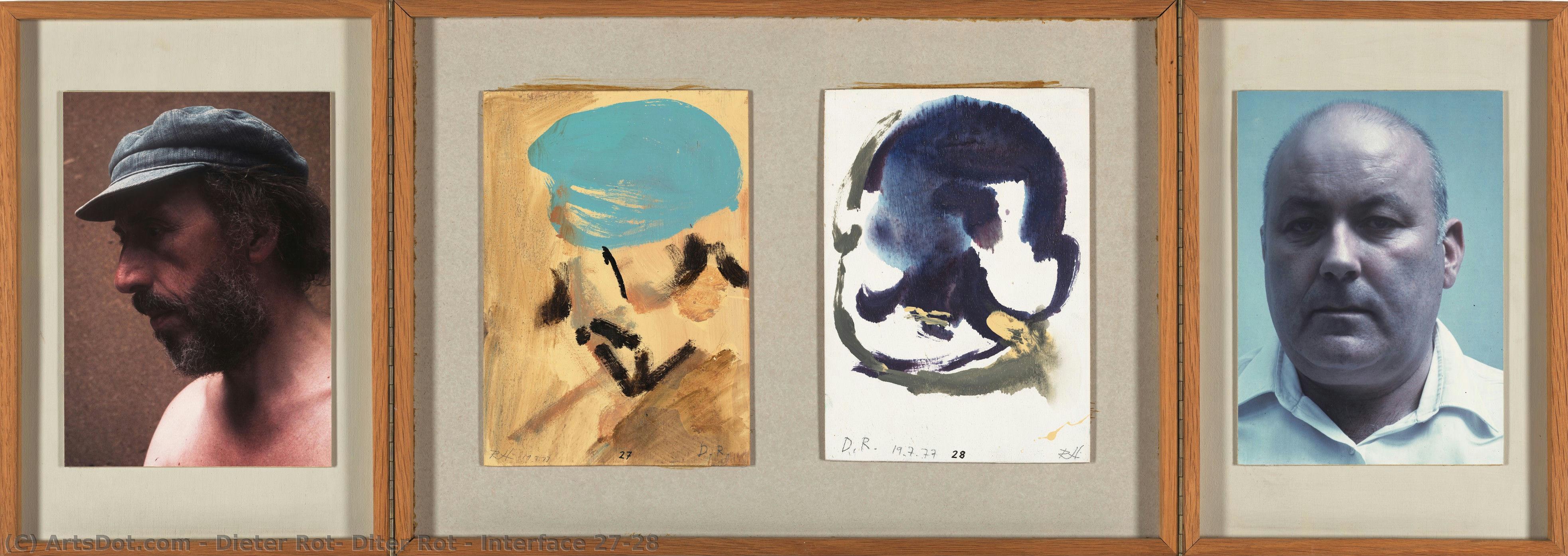
 Contemporary
 1979
1979 44.0 x 61.0 cm
 Fundacja Serralves
Kup wysokiej rozdzielczości, ulepszony obraz cyfrowy o znacznie wyższej jakości niż podgląd online.
Każdy plik jest starannie przygotowywany przez naszych specjalistów przy użyciu zaawansowanych narzędzi oraz profesjonalnej, ręcznej retuszy. Dbamy o to, aby każdy obraz cechował się wyjątkową ostrością, precyzyjnym odwzorowaniem kolorów i subtelnymi detalami.
Ostateczny plik dostarczany jest drogą mailową w ciągu 72 godzin, zoptymalizowany do natychmiastowego wykorzystania w profesjonalnych zastosowaniach redakcyjnych i poligraficznych. To ta sama jakość, której ufają czołowe studia projektowe, wydawnictwa oraz galerie sztuki.
Pobierz plik o wysokiej rozdzielczości do osobistego wyświetlania, druku oraz projektów kreatywnych. ( Zamów wydruk Zamów ręcznie malowaną reprodukcję)
Wybierając Most-Famous-Paintings.com, nie otrzymujesz jedynie obrazu – otrzymujesz profesjonalnie udoskonalone cyfrowe dzieło sztuki, stworzone z najwyższą precyzją i objęte gwarancją satysfakcji. Oto wszystko, co automatycznie dołączane jest do Twojego zamówienia:

Plik z obrazem cyfrowym w wysokiej rozdzielczości zostanie przesłany na Twój adres e-mail w ciągu 72 godzin od złożenia zamówienia – gotowy do natychmiastowego użycia.

Twoja grafika została profesjonalnie zoptymalizowana przy użyciu zaawansowanych narzędzi AI oraz ręcznej edycji, co zapewnia maksymalną szczegółowość, klarowność i wierność kolorów.

Przypadkowo usunąłeś lub zgubiłeś swój plik? Bez obaw – prześlemy go Tobie ponownie w dowolnym momencie, bez żadnych opłat.

Ciesz się swoją sztuką natychmiast, bez żadnych opłat celnych, należności ani kosztów dostawy – pliki cyfrowe są zawsze wolne od podatku.

Dzięki zastosowaniu profesjonalnych narzędzi i procesów zarządzania barwą zapewniamy, że Twoje cyfrowe zdjęcie odzwierciedla oryginalne kolory tak wiernie, jak to tylko możliwe.

Jeśli nie będziesz zadowolony ze swojego cyfrowego obrazu, dokonamy jego poprawki lub zwrócimy 100% kosztów w ciągu 60 dni – bez żadnych pytań.

Nie jesteś zadowolony? Otrzymaj pełny zwrot kosztów w ciągu 60 dni od otrzymania pliku cyfrowego – bez zbędnych pytań.

Kup 3 obrazy, oszczędź 10% - Kup 5, oszczędź 15% - Kup 10+, oszczędź 20%. Idealne do projektów kreatywnych, galerii i agencji.

Born in Hanover, Germany, on April 21, 1930, Dieter Roth—often referred to by the variation Diter Rot—emerged as one of the most radical and boundary-pushing figures of the twentieth-century avant-garde. His artistic journey was never a linear progression toward perfection, but rather a profound exploration of decay, transformation, and the beautiful instability of existence. Moving through the cultural landscapes of Europe, Roth developed a practice that defied the static nature of traditional fine art, choosing instead to embrace the organic processes of life and death. His work serves as a visceral meditation on the passage of time, where the boundaries between the creator, the medium, and the environment are perpetually blurred.
Roth’s creative evolution was deeply intertwined with the experimental spirit of the Fluxus movement. As a co-founder of the magazine Spirale, he became a central node in a network of artists dedicated to breaking down the walls between high art and everyday life. This period of his life was marked by an intense curiosity regarding how objects interact with their surroundings. He did not merely seek to represent reality; he sought to engage with its physical degradation. His fascination with found materials—ranging from discarded newspapers and magazines to the much more provocative use of organic matter—allowed him to create works that were living, breathing, and ultimately, dying.
What truly distinguishes Roth’s oeuvre is his fearless approach to medium. While many artists of his era sought permanence through oil on canvas or carved stone, Roth found profound meaning in the ephemeral. He became renowned for his sculptures that incorporated rotting foodstuffs, a technique that challenged the very notion of what an art object could be. In pieces such as Insel, the artist utilized decomposing organic elements to create a sensory experience that engaged not just the eyes, but the sense of smell and the awareness of biological change. This focus on impermanence turned his sculptures into performances of natural entropy, where the artwork changed shape, color, and texture every day it remained on display.
Beyond his sculptural experiments, Roth revolutionized the concept of the book. His artist's books were far from passive objects of reading; they were tactile, interactive landscapes. By designing books with pages that readers could rearrange or manipulate, he dismantled the traditional hierarchy of narrative and structure. This approach mirrored his interest in Concrete Art and the deconstruction of form, inviting a participatory experience that transformed the viewer into an active collaborator. His editioned prints and works on paper further showcased this mastery of technique, blending experimental textures with a deep-seated connection to the raw materials of the modern world.
The historical significance of Dieter Roth lies in his ability to expand the vocabulary of contemporary art. He drew inspiration from the psychological depth of Expressionism, finding echoes of the raw emotion found in the works of Edvard Munch and Francis Bacon, yet he applied these influences to a much more physical, materialist framework. His legacy is felt in every movement that seeks to challenge the sanctity of the museum object and every artist who finds beauty in the discarded or the decomposing.
Throughout his career, Roth’s work was celebrated in prestigious institutions, including the Museum Folkwang in Essen, Germany, ensuring that his radical experiments were documented within the canon of art history. Though he passed away in 1998, his impact remains undiminished. He left behind a body of work that continues to provoke thought about the nature of creation and the inevitability of dissolution, reminding us that there is a profound, haunting beauty to be found in the very process of falling apart.

1930 - 1998 , Germany


Bądź na bieżąco z najnowszymi wiadomościami ze świata sztuki, ekskluzywnymi ofertami i inspiracjami dekoratorskimi.
Opowiedz nam o swoim projekcie, a nasi eksperci przygotują dla Ciebie 3 spersonalizowane propozycje dzieł sztuki.
Przygotujemy dla Ciebie 3 propozycje zupełnie za darmo!


 Podgląd w skali
 Wyślij jako kartkę
 Udostępnij
 Szczegóły dzieła

 Pobierz
 Podobne obiekty
 RTG
RTG Pokaz slajdów
 Rozwiń treść



![Abstract Composition [triptych] — Vaclav Vytlacil, Abstract Expressionism](/media/artworks/images/thumbnails/e5/3d/e53db42ea02644b9a8e722f9d4dd3742.jpg)


