x

Druk giclée lub płótno o jakości muzealnej, szybka realizacja i szeroki wybór opcji wykończenia. ( Zamów ręcznie malowaną reprodukcję Kup obraz wysokiej rozdzielczości)





























Wybierz spośród naszych standardowych rozmiarów, które zachowują oryginalne proporcje dzieła sztuki.

Możesz wprowadzić własne wymiary, aby dopasować dzieło do konkretnej ramy lub przestrzeni. Jeśli wybrany rozmiar nie będzie odpowiadał proporcjom oryginalnego obrazu, przytniecie dzieło lub rozszerzymy obraz za pomocą odbicia lustrzanego lub jednolitego wypełnienia krawędzi. Przed rozpoczęciem produkcji prześlemy cyfrową wizualizację do Twojej akceptacji.
Prosimy pamiętać, że podgląd na ekranie nie odzwierciedla faktycznego przycinania ani rozszerzania. Tylko wizualizacja dokładnie pokaże końcową kompozycję.
Mimo dostępności niestandardowych rozmiarów, zalecamy wybór wymiaru z listy zdefiniowanej, aby zachować oryginalne proporcje.
Dostawa na cały świat () w ciągu 2 tygodni zamiast standardowych 4/5 tygodni. (15 Sierpień)


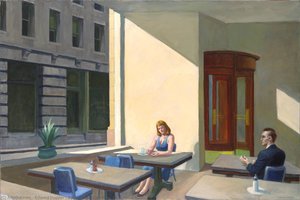
Eleven A.M.
Wymiary reprodukcji
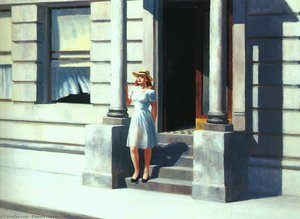
Edward Hopper’s “Eleven A.M.” (1926) is more than just a depiction of a woman in a room; it’s a meticulously crafted meditation on the quiet loneliness inherent within the burgeoning modern American experience. Painted during a pivotal moment in Hopper's career, this work exemplifies his signature style – characterized by stark realism, carefully controlled light, and an unsettling sense of detachment. The scene unfolds with a deliberate simplicity: a woman seated in a chair, her gaze fixed upon the exterior world through a window, a silent observer within her own domestic sphere. This seemingly straightforward composition belies a profound exploration of isolation and the challenges of navigating a rapidly changing society.
Hopper's technical skill is immediately apparent in “Eleven A.M.” His use of light is particularly noteworthy; it isn’t merely illumination but a powerful tool for conveying mood and atmosphere. The diffused natural light filtering through the window casts long, dramatic shadows, emphasizing the emptiness of the room and intensifying the woman’s solitary posture. He employs a precise, almost photographic realism, meticulously rendering textures – from the worn fabric of the chair to the smooth surface of the vases – yet avoids sentimentality. This restrained approach is crucial to the painting's emotional impact; it allows the viewer to project their own feelings and interpretations onto the scene.
"Eleven A.M." was created during the Jazz Age, a period of immense social and cultural change in America. The rise of urban centers, industrialization, and new forms of entertainment contributed to a sense of alienation and displacement. Hopper’s work reflects this shift, capturing the anxieties and uncertainties of individuals struggling to find their place within this rapidly evolving world. The woman's gaze out the window can be interpreted as a yearning for connection or an escape from the confines of her domestic life – themes that resonated deeply with audiences at the time and continue to hold relevance today.
Ultimately, “Eleven A.M.” is a profoundly moving work that speaks to the universal human experience of loneliness and introspection. Hopper’s ability to capture this quiet emotion with such precision and subtlety has ensured its enduring appeal. It's a painting that invites contemplation, prompting viewers to consider their own relationships with solitude, isolation, and the search for meaning in an often-chaotic world. This reproduction offers a remarkable opportunity to experience the power of Hopper’s vision firsthand, bringing this iconic image into your home or office.

1931 - 1967 , Stany Zjednoczone

Explore the profound history of American Regionalism. Discover how Grant Wood captured the heart of the Midwest through masterpieces like American Gothic. An expert guide to the movement, its cultural impact, and the enduring beauty of American Realism.

Explore the profound history and technical mastery of woodcut relief printing. From ancient origins to German Expressionism, discover how artists use the subtractive process to create iconic works. A definitive guide for art students, collectors, and historians.

Discover the technical mastery behind Most-Famous-Paintings.com's premium Giclée canvas prints. Our guide for elite collectors explores archival pigment inks, museum-grade substrates, and the science of high-fidelity reproduction to ensure lasting beauty and historical accuracy.


Bądź na bieżąco z najnowszymi wiadomościami ze świata sztuki, ekskluzywnymi ofertami i inspiracjami dekoratorskimi.
Opowiedz nam o swoim projekcie, a nasi eksperci przygotują dla Ciebie 3 spersonalizowane propozycje dzieł sztuki.
Przygotujemy dla Ciebie 3 propozycje zupełnie za darmo!


 Podgląd w skali
 Wyślij jako kartkę
 Udostępnij
 Szczegóły dzieła

 Pobierz
 Podobne obiekty
 RTG
RTG Pokaz slajdów

 Rozwiń treść







 Opcja ze szkłem jest dostępna wyłącznie w rozmiarach poniżej 110 cm