
Lista życzeń Koszyk Cart
Zamów wydruk Zamów wydrukZamów reprodukcję Zamów reprodukcję UdostępnijUdostępnij
Szczegóły dziełaSzczegóły dzieła Dodaj do ulubionych Dodaj do ulubionych PobierzPobierz Podobne obiektyPodobne obiekty RTGRTG Pokaz slajdówPokaz slajdów

Saint Peter

Saint Peter and Paul - El Greco's masterful depiction captures spiritual devotion with vibrant hues and expressive brushstrokes against a dark backdrop, embodying Byzantine heritage blended with innovative artistic vision.

El Greco: Świąteczny obraz św. Franciszka przyjmującego stigmata. Dramatyczna scena wiary i cierpienia, mistyczne piękno i głębokie emocje. Odkryj dzieło geniusza!

Kup wysokiej rozdzielczości, ulepszony obraz cyfrowy, znacznie lepszy niż podgląd online.

Każdy plik jest starannie przygotowywany przez naszych specjalistów przy użyciu zaawansowanych narzędzi oraz profesjonalnej, ręcznej retuszy. Dbamy o to, aby każdy obraz cechował się wyjątkową ostrością, precyzyjnym odwzorowaniem kolorów i subtelnymi detalami.

Ostateczny plik dostarczany jest drogą mailową w ciągu 72 godzin, zoptymalizowany do natychmiastowego wykorzystania w profesjonalnych zastosowaniach redakcyjnych i poligraficznych. To ta sama jakość, której ufają czołowe studia projektowe, wydawnictwa oraz galerie sztuki.

Obraz cyfrowy

Pobierz plik o wysokiej rozdzielczości do osobistego wyświetlania, druku oraz projektów kreatywnych.

Suma do zapłaty

$9.99

Zawarte w każdym zamówieniu na obraz cyfrowy

Profesjonalna dostawa cyfrowa, gwarantowana

Wybierając Most-Famous-Paintings.com, nie otrzymujesz jedynie obrazu – otrzymujesz profesjonalnie udoskonalone cyfrowe dzieło sztuki, stworzone z najwyższą precyzją i objęte gwarancją satysfakcji. Oto wszystko, co automatycznie dołączane jest do Twojego zamówienia:

shipping_icon
Błyskawiczna wysyłka e-mailowa

Plik z obrazem cyfrowym w wysokiej rozdzielczości zostanie przesłany na Twój adres e-mail w ciągu 72 godzin od złożenia zamówienia – gotowy do natychmiastowego użycia.

canvas_icon
Plik cyfrowy wzbogacony przez AI

Twoja grafika została profesjonalnie zoptymalizowana przy użyciu zaawansowanych narzędzi AI oraz ręcznej edycji, co zapewnia maksymalną szczegółowość, klarowność i wierność kolorów.

insurance_icon
Dożywotnia darmowa ponowna dostawa

Przypadkowo usunąłeś lub zgubiłeś swój plik? Bez obaw – prześlemy go Tobie ponownie w dowolnym momencie, bez żadnych opłat.

tax_icon
Bez opłat importowych – zawsze

Ciesz się swoją sztuką natychmiast, bez żadnych opłat celnych, należności ani kosztów dostawy – pliki cyfrowe są zawsze wolne od podatku.

color_icon
Gwarancja wierności kolorów

Dzięki zastosowaniu profesjonalnych narzędzi i procesów zarządzania barwą zapewniamy, że Twoje cyfrowe zdjęcie odzwierciedla oryginalne kolory tak wiernie, jak to tylko możliwe.

return_icon
60-dniowa gwarancja satysfakcji

Jeśli nie będziesz zadowolony ze swojego cyfrowego obrazu, poprawimy go lub zwrócimy 100% kosztów w ciągu 60 dni – bez żadnych pytań.

guarantee_icon
100% Gwarancja zwrotu pieniędzy

Nie zadowoleni? Otrzymaj pełny zwrot kosztów w ciągu 60 dni od otrzymania pliku cyfrowego – bez zbędnych pytań.

discount_icon
Rabaty na zamówienia hurtowe

Kup 3 obrazy, oszczędź 10% - Kup 5, oszczędź 15% - Kup 10+, oszczędź 20%. Idealne do projektów kreatywnych, galerii i agencji.

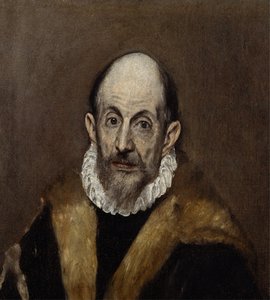
Szybkie fakty

  • Artist: El Greco
  • Subject or theme: Religious iconography
  • Year: 1606
  • Title: Saint Peter
  • Medium: Oil on canvas
  • Dimensions: 73 × 58 cm
  • Location: Museo Nacional Prado, Madrid

Quiz o sztuce

Na każde pytanie istnieje tylko jedna poprawna odpowiedź.

Pytanie 1:
What is El Greco known for stylistically?
Pytanie 2:
El Greco’s signature in Greek signifies his...
Pytanie 3:
The painting utilizes a dark background to create contrast with the...
Pytanie 4:
El Greco’s artistic training initially involved exposure to which tradition?
Pytanie 5:
Which art movement anticipated El Greco's expressive style?

Opis obiektu kolekcjonerskiego

El Greco’s Saint Peter and Paul: A Synthesis of Faith and Vision

Doménikos Theotokópoulos, universally known as El Greco – “the Greek” – stands apart from his contemporaries not merely as a painter but as an artist who wrestled with the very essence of spirituality. Born in 1541 on Crete, then under Venetian dominion, his artistic odyssey traversed Venice and Rome before anchoring him firmly in Toledo, Spain—a city steeped in religious fervor that profoundly shaped his oeuvre. El Greco’s legacy transcends stylistic categorization; he anticipated the emotive power of Expressionism and foreshadowed the fractured aesthetic of Cubism decades ahead of their time, establishing himself as a visionary whose influence reverberates through art history. His formative years within the Byzantine tradition instilled in him an unwavering dedication to meticulous detail and a profound grasp of religious iconography—a foundation that wouldn’t constrain his exploration of new artistic horizons. He embraced experimentation with bold color palettes and elongated figures, rejecting academic conventions in favor of conveying inner experience rather than mere representation. This stylistic rebellion wasn't born from defiance but from conviction: El Greco believed that art could illuminate the divine realm, striving to capture not just what was seen but what was felt—a pursuit reflected in every brushstroke.
  • Style: El Greco’s distinctive style is characterized by elongated figures, dramatic poses, and vibrant hues—a departure from the naturalistic tendencies prevalent during his time. He eschewed perspective, prioritizing emotional impact over accurate depiction of space.
  • Technique: Primarily employing oil paint on canvas, El Greco utilized a glazing technique—applying thin layers of translucent pigment upon opaque undercoats—to achieve luminous effects and imbue his paintings with an ethereal quality.
The historical context surrounding El Greco’s work is crucial to understanding its significance. Toledo served as Spain's ecclesiastical capital during the Counter-Reformation, a period marked by intense religious zealotry and papal decrees aimed at combating Protestantism. This atmosphere fueled El Greco’s artistic impulse—he sought to express the fervor of faith through visual language, mirroring the spiritual dynamism of his surroundings. His depictions of saints and biblical figures weren't simply illustrations; they were conduits for conveying theological concepts and evoking profound emotional responses in viewers. Symbolism: The elongated figures embody spiritual transcendence—representing humanity striving to ascend beyond earthly limitations toward divine grace. The radiant halos surrounding the saints symbolize holiness and illumination, underscoring their connection to God’s light. Furthermore, the dramatic poses convey a sense of urgency and pathos—reflecting the struggles inherent in the pursuit of faith. Emotional Impact: El Greco's paintings elicit a visceral response from audiences—inspiring awe and contemplation as viewers confront representations of sacred figures imbued with palpable emotion. The luminous colors and expressive gestures communicate spiritual fervor, prompting introspection and fostering a connection to the divine—a testament to El Greco’s unparalleled ability to translate inner experience into visual form. His Saint Peter and Paul exemplifies this enduring legacy—a masterpiece that continues to captivate art lovers and collectors alike.

Biografia artysty

Doménikos Theotokópoulos – El Greco: A Life Forged in Faith and Fire

Doménikos Theotokópoulos, universally known as El Greco – “the Greek” – stands apart from his contemporaries as a painter whose artistic journey transcended conventional boundaries. Born in Crete, Greece (1541), under Venetian rule, his life was marked by both intellectual curiosity and unwavering devotion to Orthodox Christianity—a duality that profoundly shaped his distinctive style and enduring legacy. He wasn’t merely responding to the artistic currents of his time; he actively wrestled with them, synthesizing Byzantine traditions with Renaissance innovations into a visual language utterly his own. This singular vision anticipated the expressive fervor of Expressionism and the fragmented perspectives of Cubism centuries later, cementing his place as a pivotal figure in European art history.

Early Training and Venetian Influences

El Greco’s formative years were spent honing his skills within the Byzantine artistic milieu—a tradition characterized by meticulous detail, symbolic representation, and profound spiritual contemplation. He studied under Antonios Pizzorno, a Venetian artist who instilled in him a disciplined approach to technique and an appreciation for classical ideals. Recognizing the dynamism of Venetian painting – particularly the works of Titian, Tintoretto, and Veronese – El Greco embarked on a transformative voyage to Venice around 1567. This immersion proved decisive; he absorbed their mastery of color, composition, and dramatic lighting, fundamentally altering his artistic sensibilities. He moved away from the rigid conventions of Mannerism, embracing looser brushwork and experimenting with oil paints—a medium that allowed him to achieve unprecedented levels of luminosity and expressive power. *St. Sebastian* (1600), painted during this Venetian period, exemplifies this stylistic shift beautifully. Anatomical accuracy blends seamlessly with theatrical lighting, conveying a palpable sense of pathos and spiritual torment – a hallmark of El Greco’s oeuvre.

Toledo: The Crucible of Spiritual Expression

Around 1577, El Greco relocated to Toledo, Spain—a city steeped in religious fervor during the Counter-Reformation. This move proved crucial for solidifying his artistic identity and unlocking his creative potential. Toledo offered a fertile environment for artists seeking patronage from devout Catholic institutions, fostering an atmosphere conducive to exploring themes of faith, suffering, and divine grace. It was here that El Greco produced many of his most iconic paintings—works imbued with an unparalleled intensity of emotion and spiritual conviction. The Museo de Arte Público de Toledo houses numerous masterpieces by El Greco, including *The Burial of the Count of Orgaz*, arguably his magnum opus. This monumental painting depicts a miraculous event – the descent of saints to bury a nobleman – employing a masterful blend of realism and stylized figures to convey a profound meditation on mortality and redemption. The elongated forms of the saints—a stylistic characteristic that would become synonymous with El Greco’s name—are not merely decorative; they represent an attempt to transcend earthly limitations and capture the sublime beauty of divine presence.

A Style Defined by Distortion and Emotion

El Greco's artistic style is instantly recognizable – and profoundly unsettling for those accustomed to more conventional representations of religious subjects. His figures are often dramatically elongated, their bodies twisted into poses that convey a sense of spiritual ecstasy or agonizing torment. This isn’t mere stylistic indulgence; it’s an intentional distortion designed to communicate the intangible realities of faith—the experience of encountering God beyond the confines of rational thought. He achieved this effect through masterful manipulation of color – employing vibrant hues that defied naturalistic conventions—and dramatic lighting—creating stark contrasts between light and shadow that heighten the emotional impact of his canvases. The use of chiaroscuro, a technique perfected by Caravaggio, further intensified the theatrical quality of El Greco’s paintings, drawing viewers into the heart of the depicted drama.

Legacy and Influence

Despite facing considerable challenges during his lifetime—limited recognition in Rome and sporadic commissions—El Greco's artistic vision endured beyond his death in 1614. His distinctive style captivated artists like Picasso and Braque who recognized him as a precursor to modern art, particularly Cubism, admiring his fragmented forms and unconventional perspectives. El Greco’s influence extended far beyond the immediate stylistic realm; he inspired generations of painters to explore themes of spirituality and emotion with uncompromising honesty—a legacy that continues to resonate powerfully in contemporary artistic discourse. He remains an artist whose work compels us to confront fundamental questions about human experience, faith, and the sublime beauty of transcendence—a testament to his enduring power as a visionary innovator who dared to reimagine the visual language of religion.
El Greco

El Greco

1541 - 1614 , Grecja

Krótka nota

  • Artistic Movement Or Style: Mannerism Baroque
  • Artists Or Movements Influenced By This Artist: ['Expressionism Cubism']
  • Artists Who Influenced This Artist: ['Titian Tintoretto']
  • Date Of Birth: 1541 Cret
  • Date Of Death: 1614 Toledo
  • Full Name: Doménikos Theotokópoulos
  • Nationality: Greek-Spanish
  • Notable Artworks:
    • Burial Count Orgaz
    • View Toledo
    • El Espolio
    • St Sebastian
  • Place Of Birth: Crete Greece

