Lista życzeń Koszyk zakupowy Cart
Podgląd w skaliPodgląd w skali Podgląd ARPodgląd AR Zamów wydruk Zamów wydrukKup obraz wysokiej rozdzielczości Kup obraz wysokiej rozdzielczości Wyślij jako kartkęWyślij jako kartkę
Szczegóły dziełaSzczegóły dzieła Dodaj do ulubionych Dodaj do ulubionych PobierzPobierz Podobne obiektyPodobne obiekty RTGRTG Pokaz slajdówPokaz slajdów

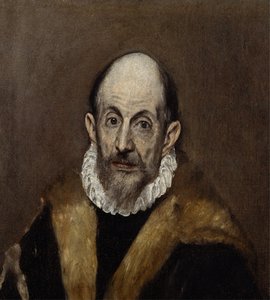
St. James the Greater

El Greco: Świąteczny obraz św. Franciszka przyjmującego stigmata. Dramatyczna scena wiary i cierpienia, mistyczne piękno i głębokie emocje. Odkryj dzieło geniusza!

Ręcznie malowana reprodukcja olejowa

Ręcznie malowany obraz olejny na płótnie, wykonany na zamówienie przez naszych artystów w wybranym przez Ciebie wymiarze i oprawie. (Zamów wydruk Zamów wydrukKup obraz wysokiej rozdzielczości Kup obraz wysokiej rozdzielczości)

Standard
custom
CM
INCH

Wybierz spośród naszych standardowych rozmiarów, które zachowują oryginalne proporcje dzieła sztuki.

szerokość
wysokość

Możesz wprowadzić własne wymiary, aby dopasować obraz do konkretnej ramy lub przestrzeni. Jeśli wybrany rozmiar nie będzie odpowiadał proporcjom oryginału, przytniecie dzieło sztuki lub rozszerzymy je o dodatkowe elementy, ręcznie domalowane przez artystę. Przed rozpoczęciem produkcji wyślemy projekt cyfrowy do Twojej akceptacji.
Należy pamiętać, że podgląd na ekranie nie odzwierciedla rzeczywistego przycinania ani rozszerzania obrazu. Tylko projekt dokładnie pokaże ostateczną kompozycję.
Choć oferujemy możliwość zamówienia niestandardowych rozmiarów, zalecamy wybór wymiaru z gotowej listy, aby zachować oryginalne proporcje dzieła.

Przykłady możliwych zmian: Zamień twarz na zdjęcie klienta; Dodaj zwierzę domowe (np. zamień kota na psa); Ukryj wiadomość w tle; Zmień krajobraz lub elementy tła.
Po złożeniu zamówienia zespół Most-Famous-Paintings.com skontaktuje się z klientem drogą mailową w celu uzyskania instrukcji i prześle wizualizację projektu

Dostawa na całym świecie () w ciągu 3–4 tygodni zamiast standardowych 5 tygodni. (23 Sierpień). Bez kompromisów w kwestii jakości.

why_choose_icon
Bezpłatna ekspresowa wysyłka na cały świat
why_choose_icon
Wysokiej jakości płótno lniane
why_choose_icon
Pełne ubezpieczenie przesyłki
why_choose_icon
Gwarancja zwrotu należności celnych i podatków importowych
why_choose_icon
Gwarancja wiernego odwzorowania kolorów
why_choose_icon
Polityka 60-dniowego zwrotu (tylko w przypadku wad)
why_choose_icon
Gwarancja 100% zwrotu kosztów
why_choose_icon
Zniżka przy zamówieniu wielu produktów

Suma całkowita

$ 272

reproduction

St. James the Greater

Technika reprodukcji

Wymiary reprodukcji

-

Cena całkowita

$ 272

Szybki podgląd

  • Location: Museo de El Greco, Toledo
  • Title: St. James the Greater
  • Year: 1607
  • Subject or theme: Faith and Spirituality
  • Notable elements or techniques: Dramatic lighting; elongated figures
  • Movement: Mannerism
  • Influences: Byzantine Art

Quiz o sztuce

Do każdego pytania dotyczy tylko jedna poprawna odpowiedź.

Pytanie 1:
What artistic movement is El Greco’s ‘St. James the Greater’ primarily associated with?
Pytanie 2:
The painting utilizes dramatic lighting to emphasize which aspect of St. James's figure?
Pytanie 3:
What is the primary symbolism conveyed by St. James holding a staff and a book?
Pytanie 4:
Where can you find El Greco’s ‘St. James the Greater’?
Pytanie 5:
El Greco's style departed from traditional artistic conventions by:

Opis dzieła

St. James the Greater: A Vision of Faith Embodied

El Greco’s “St. James the Greater” stands as a monumental testament to Mannerist artistry and spiritual contemplation, capturing the essence of faith with an unparalleled blend of dramatic form and luminous color. Painted circa 1607-1614 in Toledo, Spain – a city steeped in religious fervor during El Greco's lifetime – this oil on canvas masterpiece resides within the Museo de El Greco, inviting viewers to immerse themselves in its profound visual language.

Style and Technique: The Mannerist Embrace

Doménikos Theotokópoulos, universally known as El Greco, forged a singular artistic path that defied convention. His distinctive style is undeniably rooted in Mannerism, an aesthetic movement reacting against the idealized beauty of High Renaissance art. Unlike its predecessors, Mannerism prioritized expressive distortion and psychological intensity over anatomical accuracy. In “St. James,” this manifests powerfully: figures are elongated, almost ethereal, conveying a sense of otherworldly grace rather than realistic representation. The artist skillfully employs chiaroscuro – dramatic contrasts between light and dark – to sculpt the form of St. James’s body, highlighting musculature while enveloping him in shadow, thereby amplifying his solemn demeanor. This technique wasn't merely stylistic; it served to heighten emotional impact, mirroring the turbulent inner life often associated with religious devotion.

Composition and Symbolism: A Dialogue Between Light and Darkness

The painting’s composition is deceptively simple yet meticulously crafted. St. James dominates the canvas, positioned centrally against a dark, almost impenetrable background – a deliberate choice that symbolizes the spiritual realm beyond earthly comprehension. He holds aloft a staff, representing authority and steadfastness, while clutching a book, symbolizing knowledge and divine scripture. The halo surrounding his head underscores his sanctity and elevates him to a position of spiritual transcendence. These symbols resonate deeply within Christian iconography, communicating St. James’s unwavering faith and commitment to disseminating the Gospel. The positioning of James's gaze downwards reinforces this contemplative posture, inviting viewers to contemplate the sacred text and engage in personal reflection.

Historical Context: Toledo – A Crucible of Spirituality

Toledo served as El Greco’s artistic home during his final years, fostering an environment profoundly receptive to spiritual expression. The city was a bastion of Catholicism, experiencing a resurgence of religious fervor following the Reformation. This cultural climate undoubtedly influenced El Greco's creative vision, propelling him toward works that conveyed profound emotional depth and spiritual contemplation. His art reflects not merely visual beauty but also a yearning for transcendence—a characteristic prevalent in European art during this period.

Emotional Impact: Capturing the Soul of Faith

“St. James the Greater” transcends mere depiction; it aspires to evoke emotion. The artist’s masterful use of color – predominantly muted reds and golds – contributes to an atmosphere of solemn grandeur, mirroring the reverence associated with religious iconography. More importantly, El Greco succeeds in conveying St. James's inner turmoil—his unwavering conviction amidst doubt—through subtle gestures and expressive facial features. This psychological realism distinguishes him from many of his contemporaries and speaks to a timeless fascination with human experience. It’s a painting that compels contemplation, prompting viewers to consider the complexities of faith and the enduring power of spiritual aspiration.

O artyście

Doménikos Theotokópoulos – El Greco: A Life Forged in Faith and Fire

Doménikos Theotokópoulos, universally known as El Greco – “the Greek” – stands apart from his contemporaries as a painter whose artistic journey transcended conventional boundaries. Born in Crete, Greece (1541), under Venetian rule, his life was marked by both intellectual curiosity and unwavering devotion to Orthodox Christianity—a duality that profoundly shaped his distinctive style and enduring legacy. He wasn’t merely responding to the artistic currents of his time; he actively wrestled with them, synthesizing Byzantine traditions with Renaissance innovations into a visual language utterly his own. This singular vision anticipated the expressive fervor of Expressionism and the fragmented perspectives of Cubism centuries later, cementing his place as a pivotal figure in European art history.

Early Training and Venetian Influences

El Greco’s formative years were spent honing his skills within the Byzantine artistic milieu—a tradition characterized by meticulous detail, symbolic representation, and profound spiritual contemplation. He studied under Antonios Pizzorno, a Venetian artist who instilled in him a disciplined approach to technique and an appreciation for classical ideals. Recognizing the dynamism of Venetian painting – particularly the works of Titian, Tintoretto, and Veronese – El Greco embarked on a transformative voyage to Venice around 1567. This immersion proved decisive; he absorbed their mastery of color, composition, and dramatic lighting, fundamentally altering his artistic sensibilities. He moved away from the rigid conventions of Mannerism, embracing looser brushwork and experimenting with oil paints—a medium that allowed him to achieve unprecedented levels of luminosity and expressive power. *St. Sebastian* (1600), painted during this Venetian period, exemplifies this stylistic shift beautifully. Anatomical accuracy blends seamlessly with theatrical lighting, conveying a palpable sense of pathos and spiritual torment – a hallmark of El Greco’s oeuvre.

Toledo: The Crucible of Spiritual Expression

Around 1577, El Greco relocated to Toledo, Spain—a city steeped in religious fervor during the Counter-Reformation. This move proved crucial for solidifying his artistic identity and unlocking his creative potential. Toledo offered a fertile environment for artists seeking patronage from devout Catholic institutions, fostering an atmosphere conducive to exploring themes of faith, suffering, and divine grace. It was here that El Greco produced many of his most iconic paintings—works imbued with an unparalleled intensity of emotion and spiritual conviction. The Museo de Arte Público de Toledo houses numerous masterpieces by El Greco, including *The Burial of the Count of Orgaz*, arguably his magnum opus. This monumental painting depicts a miraculous event – the descent of saints to bury a nobleman – employing a masterful blend of realism and stylized figures to convey a profound meditation on mortality and redemption. The elongated forms of the saints—a stylistic characteristic that would become synonymous with El Greco’s name—are not merely decorative; they represent an attempt to transcend earthly limitations and capture the sublime beauty of divine presence.

A Style Defined by Distortion and Emotion

El Greco's artistic style is instantly recognizable – and profoundly unsettling for those accustomed to more conventional representations of religious subjects. His figures are often dramatically elongated, their bodies twisted into poses that convey a sense of spiritual ecstasy or agonizing torment. This isn’t mere stylistic indulgence; it’s an intentional distortion designed to communicate the intangible realities of faith—the experience of encountering God beyond the confines of rational thought. He achieved this effect through masterful manipulation of color – employing vibrant hues that defied naturalistic conventions—and dramatic lighting—creating stark contrasts between light and shadow that heighten the emotional impact of his canvases. The use of chiaroscuro, a technique perfected by Caravaggio, further intensified the theatrical quality of El Greco’s paintings, drawing viewers into the heart of the depicted drama.

Legacy and Influence

Despite facing considerable challenges during his lifetime—limited recognition in Rome and sporadic commissions—El Greco's artistic vision endured beyond his death in 1614. His distinctive style captivated artists like Picasso and Braque who recognized him as a precursor to modern art, particularly Cubism, admiring his fragmented forms and unconventional perspectives. El Greco’s influence extended far beyond the immediate stylistic realm; he inspired generations of painters to explore themes of spirituality and emotion with uncompromising honesty—a legacy that continues to resonate powerfully in contemporary artistic discourse. He remains an artist whose work compels us to confront fundamental questions about human experience, faith, and the sublime beauty of transcendence—a testament to his enduring power as a visionary innovator who dared to reimagine the visual language of religion.
El Greco

El Greco

1541 - 1614 , Grecja

Krótka nota

  • Artistic Movement Or Style: Mannerism Baroque
  • Artists Or Movements Influenced By This Artist: ['Expressionism Cubism']
  • Artists Who Influenced This Artist: ['Titian Tintoretto']
  • Date Of Birth: 1541 Cret
  • Date Of Death: 1614 Toledo
  • Full Name: Doménikos Theotokópoulos
  • Nationality: Greek-Spanish
  • Notable Artworks:
    • Burial Count Orgaz
    • View Toledo
    • El Espolio
    • St Sebastian
  • Place Of Birth: Crete Greece
Odkryj dzieła sztuki uporządkowane według tematów, stylów i cech charakterystycznych.