x

 Renaissance Expressionism
 1568
1568 37.0 x 23.0 cm
 Galleria Estense
Druk giclée lub płótno o jakości muzealnej, szybka realizacja i szeroki wybór opcji wykończenia. ( Zamów ręcznie malowaną reprodukcję Kup obraz wysokiej rozdzielczości)





























Wybierz spośród naszych standardowych rozmiarów, które zachowują oryginalne proporcje dzieła sztuki.

Możesz wprowadzić własne wymiary, aby dopasować dzieło do konkretnej ramy lub przestrzeni. Jeśli wybrany rozmiar nie będzie odpowiadał proporcjom oryginalnego obrazu, przytniecie dzieło lub rozszerzymy obraz za pomocą odbicia lustrzanego lub jednolitego wypełnienia krawędzi. Przed rozpoczęciem produkcji prześlemy cyfrową wizualizację do Twojej akceptacji.
Prosimy pamiętać, że podgląd na ekranie nie odzwierciedla faktycznego przycinania ani rozszerzania. Tylko wizualizacja dokładnie pokaże końcową kompozycję.
Mimo dostępności niestandardowych rozmiarów, zalecamy wybór wymiaru z listy zdefiniowanej, aby zachować oryginalne proporcje.
Dostawa na cały świat () w ciągu 2 tygodni zamiast standardowych 4/5 tygodni. (16 Sierpień)


The Modena Triptych (back panels)
Wymiary reprodukcji
Doménikos Theotokópoulos, known universally as El Greco, was born in Crete in 1541, a world steeped in Byzantine tradition. His early training profoundly shaped his artistic sensibilities – a deep understanding of iconography and a reverence for religious subjects were ingrained from the outset. However, it wasn’t simply imitation he sought; he evolved, pushing the boundaries of representation with an almost visionary intensity. The turbulent political landscape of Spain during this period, marked by religious fervor and the rise of the Habsburg dynasty, undoubtedly influenced his work, providing a fertile ground for exploring themes of spirituality and salvation. His Greek heritage – signified by the “Krḗs” appended to his name – was a constant source of pride, informing both his artistic identity and his connection to the spiritual heartland he eventually called home in Toledo.
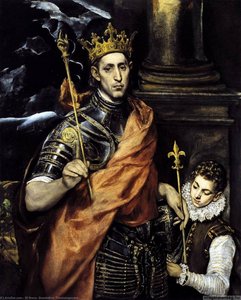
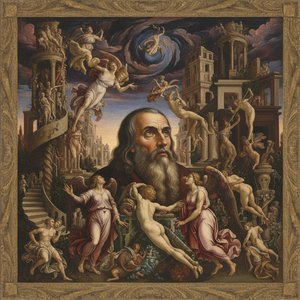
The scenes depicted on these panels are rich with symbolic meaning. While specific interpretations vary depending on scholarly analysis, the overall narrative likely draws from biblical accounts of salvation and judgment. The figures, rendered with a heightened sense of emotion, represent not just individuals but archetypes of faith – the mother and child, representing Mary’s devotion; the angelic figure, embodying divine grace; and the men standing beside each other, perhaps symbolizing humanity's struggle between good and evil. The crown worn by one of the figures could signify royalty or divine authority, adding another layer to the complex theological message.
Created in 1568, this “Modena Triptych” (back panels) stands as a testament to El Greco’s unparalleled vision and technical skill. Its emotional power transcends time, inviting contemplation on themes of faith, mortality, and the human condition. While this particular image is presented here as a photographic reproduction, it serves as a powerful reminder of the original's enduring legacy. Owning a high-quality reproduction allows you to bring this masterpiece into your own space, fostering a connection with one of art history’s most captivating figures – El Greco himself.

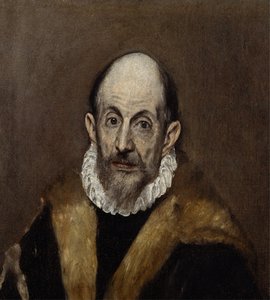
1541 - 1614 , Grecja
Explore the dramatic transition from High Renaissance harmony to Mannerist tension. Discover how masters like El Greco redefined art through distortion and spiritual intensity. An expert guide for art enthusiasts seeking deep historical context and museum-quality inspiration.

Explore the dramatic evolution of Mannerism from High Renaissance perfection to El Greco's spiritual intensity. Discover the history, techniques, and enduring legacy of this transformative era through an expert art-history lens.

Explore the profound drama of Spanish Baroque art. Delve into the mastery of light, shadow, and realism through the legendary works of Diego Velázquez and the Spanish Golden Age with our expert-led historical guide.


Bądź na bieżąco z najnowszymi wiadomościami ze świata sztuki, ekskluzywnymi ofertami i inspiracjami dekoratorskimi.
Opowiedz nam o swoim projekcie, a nasi eksperci przygotują dla Ciebie 3 spersonalizowane propozycje dzieł sztuki.
Przygotujemy dla Ciebie 3 propozycje zupełnie za darmo!


 Podgląd w skali
 Wyślij jako kartkę
 Udostępnij
 Szczegóły dzieła

 Pobierz
 Podobne obiekty
 RTG
RTG Pokaz slajdów
 Rozwiń treść







 Opcja ze szkłem jest dostępna wyłącznie w rozmiarach poniżej 110 cm