x

Druk giclée lub płótno o jakości muzealnej, szybka realizacja i szeroki wybór opcji wykończenia. ( Przełącz na obraz ręcznie malowany Przełącz na obraz)





























Wybierz spośród naszych standardowych rozmiarów, które zachowują oryginalne proporcje dzieła sztuki.

Możesz wprowadzić własne wymiary, aby dopasować dzieło do konkretnej ramy lub przestrzeni. Jeśli wybrany rozmiar nie będzie odpowiadał proporcjom oryginalnego obrazu, przytniecie dzieło lub rozszerzymy obraz za pomocą odbicia lustrzanego lub jednolitego wypełnienia krawędzi. Przed rozpoczęciem produkcji prześlemy cyfrową wizualizację do Twojej akceptacji.
Prosimy pamiętać, że podgląd na ekranie nie odzwierciedla faktycznego przycinania ani rozszerzania. Tylko wizualizacja dokładnie pokaże końcową kompozycję.
Mimo dostępności niestandardowych rozmiarów, zalecamy wybór wymiaru z listy zdefiniowanej, aby zachować oryginalne proporcje.
Dostawa na cały świat () w ciągu 2 tygodni zamiast standardowych 4/5 tygodni. (9 Sierpień)


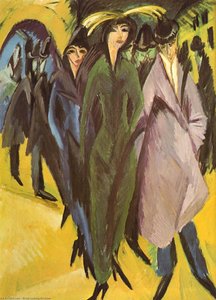
Berlin Street
Wymiary reprodukcji
Ernst Ludwig Kirchner’s “Berlin Street” – painted in 1913, a pivotal year before the eruption of World War I – isn't merely a depiction of a city scene; it’s a visceral embodiment of urban anxiety and alienation. This oil on canvas, now housed within the Neue Galerie in New York, plunges us directly into the heart of Berlin’s burgeoning modernity, a period marked by rapid industrialization, social upheaval, and a growing sense of displacement. Kirchner, a founding member of the influential Die Brücke group, masterfully captures this unsettling atmosphere through a deliberate distortion of reality – a hallmark of Expressionism that sought to convey subjective emotional experience rather than objective representation.
Kirchner’s use of color is anything but naturalistic. He abandons traditional palettes in favor of a deliberately jarring combination of reds, blues, blacks, and purples – colors that vibrate with intensity and contribute significantly to the painting's emotional charge. These aren’t blended or softened; they are applied in bold, gestural strokes, creating a textured surface that feels both rough and alive. The clashing hues evoke a sense of unease, mirroring the psychological turmoil at the heart of the scene. Notice how the pinkish skin tones of the figures stand out against the darker background, further amplifying this feeling of dissonance.
The color palette isn’t meant to be beautiful in a conventional sense; it's designed to provoke and unsettle, reflecting the anxieties of a rapidly changing world.Kirchner’s technique is characterized by direct application of paint – an impasto effect where thick layers of pigment are built up on the canvas. These visible brushstrokes aren't simply decorative; they become integral to the painting’s expressive power. The energetic, fragmented lines define the figures’ forms while simultaneously contributing to a sense of visual chaos. The distortion of perspective and the skewed angles create an unsettling feeling of disorientation, mirroring the experience of navigating a crowded, impersonal city.
“Berlin Street” is more than just a cityscape; it’s a meditation on the human condition in the face of modernity. The painting speaks to themes of alienation, isolation, and the dehumanizing effects of urban life – concerns that resonated deeply with Kirchner and his contemporaries. The blurred faces, the anonymous crowd, and the overall sense of unease suggest a loss of connection and a feeling of being adrift within a vast, impersonal world. It’s a powerful reminder of the psychological toll exacted by the relentless pace of industrialization and the erosion of traditional values.

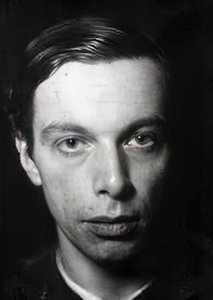
1880 - 1938 , Niemcy

Poznaj Szkołę Ashcan – rewolucyjny ruch artystyczny, który zdemokratyzował amerykańską sztukę na początku XX wieku. Analiza twórczości Henriego i jego uczniów, wpływ na realizm społeczny oraz dziedzictwo tego wyjątkowego nurtu.

Explore the life & art of George Breitner, a pivotal figure in Dutch realism. Discover his evocative paintings of Amsterdam street life, innovative techniques, and lasting influence on modern art. Learn more at Most-Famous-Paintings.

Explore the captivating world of realism in art history! Discover iconic street scenes & genre paintings from masters like Courbet & Brown. Expert analysis & museum-quality reproductions at Most-Famous-Paintings.
Poznaj 10 arcydzieł ekspresjonizmu niemieckiego – od Kirchnera po Muncha. Odkryj historię, emocje i techniki tych ikonicznych dzieł sztuki. Reprodukcje najwyższej jakości na Most-Famous-Paintings.com. Eksploruj kolekcję online!

Odkryj ewolucję wizualnej reprezentacji miasta w sztuce nowoczesnej i współczesnej. Analiza kluczowych nurtów – od realizmu do surrealizmu – dla kolekcjonerów i pasjonatów.


Bądź na bieżąco z najnowszymi wiadomościami ze świata sztuki, ekskluzywnymi ofertami i inspiracjami dekoratorskimi.
Opowiedz nam o swoim projekcie, a nasi eksperci przygotują dla Ciebie 3 spersonalizowane propozycje dzieł sztuki.
Przygotujemy dla Ciebie 3 propozycje zupełnie za darmo!


 Podgląd w skali
 Wyślij jako kartkę
 Udostępnij
 Szczegóły dzieła

 Pobierz
 Podobne obiekty
 RTG
RTG Pokaz slajdów

 Rozwiń treść







 Opcja ze szkłem jest dostępna wyłącznie w rozmiarach poniżej 110 cm