


x

Druk giclée lub płótno o jakości muzealnej, szybka realizacja i szeroki wybór opcji wykończenia. ( Zamów ręcznie malowaną reprodukcję Kup obraz wysokiej rozdzielczości)
Wybierz spośród naszych standardowych rozmiarów, które zachowują oryginalne proporcje dzieła sztuki.

Możesz wprowadzić własne wymiary, aby dopasować dzieło do konkretnej ramy lub przestrzeni. Jeśli wybrany rozmiar nie będzie odpowiadał proporcjom oryginalnego obrazu, przytniecie dzieło lub rozszerzymy obraz za pomocą odbicia lustrzanego lub jednolitego wypełnienia krawędzi. Przed rozpoczęciem produkcji prześlemy cyfrową wizualizację do Twojej akceptacji.
Prosimy pamiętać, że podgląd na ekranie nie odzwierciedla faktycznego przycinania ani rozszerzania. Tylko wizualizacja dokładnie pokaże końcową kompozycję.
Mimo dostępności niestandardowych rozmiarów, zalecamy wybór wymiaru z listy zdefiniowanej, aby zachować oryginalne proporcje.
Dostawa na cały świat () w ciągu 2 tygodni zamiast standardowych 4/5 tygodni. (23 Sierpień)


Dancing Couple
Wymiary reprodukcji
“Dancing Couple” by Ernst Ludwig Kirchner presents a vibrant and somewhat unsettling depiction of an intimate moment between a man and a ballerina. The composition is dynamic, immediately drawing the viewer's eye to the central figures engaged in a dance. The subjects are not portrayed realistically; instead, Kirchner employs distortion and exaggeration characteristic of Expressionism. The dancer’s pose suggests both grace and instability, while the man appears to be supporting her, creating a sense of precariousness within their interaction. The background is a deep blue, providing a stark contrast to the warmer tones of the figures and intensifying the focus on their relationship.
Kirchner was a key figure in the German Expressionist movement, and "Dancing Couple" exemplifies this style. Expressionism sought to convey subjective emotions and experiences rather than objective reality. This is evident in Kirchner’s use of bold colors – pinks, yellows, and blues dominate the palette – creating a visually arresting effect. The brushwork is loose and visible, contributing to a textured surface that adds to the painting's emotional intensity. Impasto techniques (thickly applied paint) further enhance this texture. Lines are used expressively, defining contours and folds in a way that prioritizes feeling over precise representation. Perspective is flattened, which contributes to the overall sense of emotional compression rather than spatial realism.
This artwork was created during a period of significant social and cultural change in Germany. Kirchner was a founding member of "Die Brücke" (The Bridge), an artist collective formed in 1905 that aimed to break away from traditional artistic conventions. “Die Brücke” artists were deeply influenced by urban life, industrialization, and the anxieties of modernity. “Dancing Couple,” while seemingly depicting a romantic scene, can be interpreted as reflecting these broader themes – perhaps symbolizing the fragility of human connection in an increasingly impersonal world. The painting’s subject matter also reflects the popularity of ballet and theatrical performances during that era.
Beyond its aesthetic qualities, "Dancing Couple" carries symbolic weight. The dancer's precarious pose suggests vulnerability and dependence, while the man's support implies a complex dynamic of power and responsibility. The intense colors and distorted forms evoke a range of emotions – from excitement and passion to anxiety and unease. The painting’s overall effect is one of heightened emotionality, inviting viewers to contemplate the complexities of human relationships and the challenges of navigating modern life. It's a powerful exploration of intimacy, fragility, and the search for connection in a rapidly changing world.

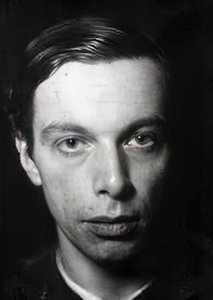
1880 - 1938 , Niemcy

Explore the visceral power of German Expressionism. From Ernst Ludwig Kirchner to Die Brücke, discover how bold colors and distorted forms unmask raw human emotion in this expert art history guide for collectors and enthusiasts.

Explore the profound history and technical brilliance of oil on panel painting. From Renaissance masters to modern techniques, discover why this rigid support offers unparalleled precision and permanence for fine art lovers and collectors.


Bądź na bieżąco z najnowszymi wiadomościami ze świata sztuki, ekskluzywnymi ofertami i inspiracjami dekoratorskimi.
Opowiedz nam o swoim projekcie, a nasi eksperci przygotują dla Ciebie 3 spersonalizowane propozycje dzieł sztuki.
Przygotujemy dla Ciebie 3 propozycje zupełnie za darmo!


 Podgląd w skali
 Wyślij jako kartkę
 Udostępnij
 Szczegóły dzieła

 Pobierz
 Podobne obiekty
 RTG
RTG Pokaz slajdów


 Rozwiń treść




































 Opcja ze szkłem jest dostępna wyłącznie w rozmiarach poniżej 110 cm


