


x

 Acrylic On CanvasWallArtGerman Expressionism
 1928
1928 72.0 x 92.0 cm
 Staatliche Kunstsammlungen
Druk giclée lub płótno o jakości muzealnej, szybka realizacja i szeroki wybór opcji wykończenia. ( Zamów ręcznie malowaną reprodukcję Kup obraz wysokiej rozdzielczości)





























Wybierz spośród naszych standardowych rozmiarów, które zachowują oryginalne proporcje dzieła sztuki.

Możesz wprowadzić własne wymiary, aby dopasować dzieło do konkretnej ramy lub przestrzeni. Jeśli wybrany rozmiar nie będzie odpowiadał proporcjom oryginalnego obrazu, przytniecie dzieło lub rozszerzymy obraz za pomocą odbicia lustrzanego lub jednolitego wypełnienia krawędzi. Przed rozpoczęciem produkcji prześlemy cyfrową wizualizację do Twojej akceptacji.
Prosimy pamiętać, że podgląd na ekranie nie odzwierciedla faktycznego przycinania ani rozszerzania. Tylko wizualizacja dokładnie pokaże końcową kompozycję.
Mimo dostępności niestandardowych rozmiarów, zalecamy wybór wymiaru z listy zdefiniowanej, aby zachować oryginalne proporcje.
Dostawa na cały świat () w ciągu 2 tygodni zamiast standardowych 4/5 tygodni. (23 Sierpień)


Davoser Café
Wymiary reprodukcji
Ernst Ludwig Kirchner’s “Davoser Café,” painted in 1928, isn't merely a depiction of a bar scene; it’s a vibrant, almost frenetic snapshot of early 20th-century social life—a moment frozen in time within the bustling heart of Davos. Created during a period of rapid societal change and artistic experimentation, this oil on canvas offers a compelling glimpse into the anxieties and exhilarations of a modernizing Germany through Kirchner’s signature Expressionist lens.
Kirchner, a pivotal figure in the Die Brücke group, sought to capture not just appearances but the raw emotional essence of his subjects. He wasn't interested in replicating reality with photographic precision; instead, he employed bold colors, distorted forms, and dynamic brushstrokes to convey a sense of urgency and psychological intensity. “Davoser Café” exemplifies this approach perfectly, transforming a commonplace setting into a powerful expression of human interaction.
The painting immediately draws the eye with its crowded composition—a swirling mass of figures engaged in various activities: reading newspapers, sipping coffee, conversing animatedly. Kirchner masterfully utilizes perspective to create a sense of depth, pulling the viewer into this lively tableau. The arrangement isn’t static; it feels like a continuous flow of movement, as if the scene is perpetually unfolding.
Kirchner’s use of color is profoundly expressive, moving far beyond mere representation. He employs a palette dominated by greens, blues, and ochres, colors often associated with unease, alienation, and the anxieties of modern life. These cool tones are juxtaposed with flashes of red and yellow, creating visual tension and highlighting key figures within the scene.
The greenish hues applied to the figures’ skin suggest a sense of detachment or even an otherworldly quality, while the sharp contrasts amplify the painting's emotional impact."Davoser Café" was painted during a period of immense social and political upheaval in Germany. The rise of industrialization, urbanization, and the increasing pace of life were contributing to feelings of alienation and uncertainty. Kirchner’s art reflects these anxieties, capturing the psychological impact of modernity on individuals within a rapidly changing world.
The painting's creation coincided with Kirchner's membership in Die Brücke, a group that sought to break away from traditional academic styles and explore new forms of artistic expression. Their work was often characterized by its emotional intensity, social critique, and rejection of bourgeois values. “Davoser Café” stands as a testament to this movement’s ambition and innovative spirit.
Beyond its immediate depiction of a café scene, "Davoser Café" can be interpreted as a meditation on the fragmented nature of modern identity. The blurred figures, the sense of anonymity, and the overall feeling of chaos suggest that individuals are increasingly isolated within the vastness of urban life.
The painting’s enduring power lies in its ability to evoke a complex range of emotions—a mixture of excitement, anxiety, and perhaps even a touch of melancholy. It's a poignant reminder of the challenges and complexities of navigating the modern world, rendered with Kirchner’s characteristic boldness and emotional intensity.

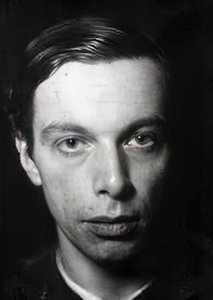
1880 - 1938 , Niemcy

Explore the visceral power of German Expressionism. From Ernst Ludwig Kirchner to Die Brücke, discover how bold colors and distorted forms unmask raw human emotion in this expert art history guide for collectors and enthusiasts.


Bądź na bieżąco z najnowszymi wiadomościami ze świata sztuki, ekskluzywnymi ofertami i inspiracjami dekoratorskimi.
Opowiedz nam o swoim projekcie, a nasi eksperci przygotują dla Ciebie 3 spersonalizowane propozycje dzieł sztuki.
Przygotujemy dla Ciebie 3 propozycje zupełnie za darmo!


 Podgląd w skali
 Wyślij jako kartkę
 Udostępnij
 Szczegóły dzieła

 Pobierz
 Podobne obiekty
 RTG
RTG Pokaz slajdów
 Rozwiń treść







 Opcja ze szkłem jest dostępna wyłącznie w rozmiarach poniżej 110 cm


