x

 Zamów reprodukcję Kup cyfrowy obraz
 Udostępnij
 Szczegóły dzieła
 Dodaj do ulubionych
 Pobierz
 Podobne obiekty
 RTG
RTG
 Pokaz slajdów
Druk giclée lub płótno o jakości muzealnej z szybką realizacją i szerokim wyborem opcji wykończenia.
Wybierz spośród naszych predefiniowanych rozmiarów, które zachowują oryginalne proporcje dzieła sztuki.

Możesz wprowadzić własne wymiary, aby dopasować dzieło do konkretnej ramy lub przestrzeni. Jeśli wybrany rozmiar nie będzie odpowiadał proporcjom oryginalnego obrazu, przytniecie dzieło lub rozszerzymy obraz za pomocą odbicia lustrzanego lub jednolitego wypełnienia krawędzi. Przed rozpoczęciem produkcji prześlemy cyfrową wizualizację do Twojej akceptacji.
Prosimy pamiętać, że podgląd na ekranie nie odzwierciedla faktycznego przycinania ani rozszerzania. Tylko wizualizacja dokładnie pokaże końcową kompozycję.
Mimo dostępności niestandardowych rozmiarów, zalecamy wybór wymiaru z listy zdefiniowanej, aby zachować oryginalne proporcje.
Dostawa na cały świat () w ciągu 2 tygodni zamiast standardowych 4/5 tygodni. (21 Lipiec)


Marcella
Wymiary reprodukcji
Ernst Ludwig Kirchner’s “Marcella,” painted in 1909, stands as a cornerstone of German Expressionism—a movement defined by its fervent embrace of subjective emotion and a deliberate distortion of reality. More than just a depiction of a young woman, it's an exploration of psychological unease rendered with audacious color palettes and unsettling compositional choices that continue to resonate with viewers today.
The artwork’s simplicity is deceptive; Kirchner meticulously crafted a scene designed to convey intense feeling. The figure occupies the majority of the frame, positioned slightly off-center—a deliberate tactic that disrupts traditional perspective and contributes to the overall sense of claustrophobia. A large yellow plane dominates the background, punctuated by abstract shapes hinting at architectural elements like mirrors or windows on the left side – these additions amplify the feeling of confinement.
Kirchner’s color choices are deliberately jarring. The dominant hue is a vibrant yellow—a color often associated with optimism and enlightenment, yet here it serves as a backdrop for muted pinks and creams representing flesh tones, shadowed by deep browns and blacks. This stark contrast underscores the emotional turmoil at play. Thick brushstrokes create a palpable texture, an impression of impasto that captures the artist’s energetic technique—a deliberate rejection of academic smoothness in favor of expressive materiality.
"Marcella" exemplifies Expressionism's core tenets. Kirchner employs angular lines to delineate the figure’s form, rejecting naturalistic representation and prioritizing emotional impact. The striped pattern on the skirt adds another layer of visual complexity—a subtle gesture that reinforces the artwork’s unsettling atmosphere. He achieves tonal variations within the planes of color through layering and blending, demonstrating a masterful command of oil paint.
Beyond its formal elements, “Marcella” is laden with symbolic significance. The woman's somber expression—coupled with her gaze directly at the viewer—suggests introspection and vulnerability. The white bow adorning her hair could be interpreted as an attempt to conceal inner anxieties, mirroring themes explored in Munch’s *The Scream*. Ultimately, Kirchner’s “Marcella” compels us to confront uncomfortable truths about human experience—a testament to the enduring power of Expressionist art.

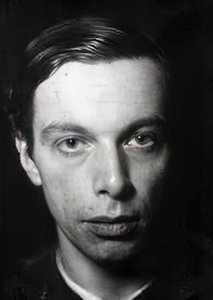
1880 - 1938 , Niemcy
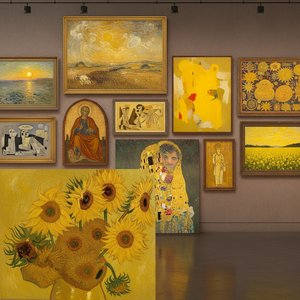
Odkryj 10 arcydzieł sztuki, w których króluje chromowa żółć! Van Gogh, Monet, Renoir i inni mistrzowie. Inspiracje wnętrzarskie i reprodukcje obrazów najwyższej jakości na Most-Famous-Paintings.com. Eksploruj pełną kolekcję online!

Explore the powerful impact of color in art history! Discover how master artists evoked emotion & built movements through bold palettes. Expert insights for collectors – Most-Famous-Paintings.

Explore the revolutionary art of André Derain, co-founder of Fauvism. Discover his bold use of color, evolution from radical expressionism to classicism, and lasting influence on modern art history. Learn more at Most-Famous-Paintings.

Explore the captivating world of Raphael Kirchner, a master of Art Nouveau illustration during the Belle Époque. Discover his iconic 'Kirchner Girls,' pioneering pin-up art & lasting influence.

Odkryj 10 odważnych arcydzieł sztuki, które definiują moc i ekspresję! Poznaj historie Van Gogha, Picassa i Muncha. Reprodukcje obrazów najwyższej jakości na Most-Famous-Paintings.com – inspiracje do wnętrz i galeria online.


Bądź na bieżąco z najnowszymi wiadomościami ze świata sztuki, ekskluzywnymi ofertami i inspiracjami dekoratorskimi.
Opowiedz nam o swoim projekcie, a nasi eksperci od sztuki przygotują dla Ciebie 3 spersonalizowane propozycje dzieł sztuki.
Pozwól nam przygotować 3 propozycje specjalnie dla Ciebie – za darmo!


 Udostępnij


 Rozwiń treść




































 Opcja szkła jest dostępna wyłącznie w rozmiarach poniżej 110 cm