Sprzedawaj swoją sztukę
Lista życzeń Koszyk zakupowy Cart
Podgląd w skaliPodgląd w skali Podgląd ARPodgląd AR Zamów ręcznie malowaną reprodukcję Zamów ręcznie malowaną reprodukcjęKup obraz wysokiej rozdzielczości Kup obraz wysokiej rozdzielczości Wyślij jako kartkęWyślij jako kartkę
Szczegóły dziełaSzczegóły dzieła Dodaj do ulubionych Dodaj do ulubionych PobierzPobierz Podobne obiektyPodobne obiekty RTGRTG Pokaz slajdówPokaz slajdów

Reiterin

Experience Ernst Ludwig Kirchner's iconic 'Reiterin,' a vibrant expressionist masterpiece from 1931 depicting a nude woman on horseback amidst dynamic figures and bold colors, capturing the raw emotion of German Expressionism – discover this stunning artwork.

Ernst Ludwig Kirchner (1880-1938): Kluczowy ekspresjonista i współzałożyciel Die Brücke. Odkryj jego wyraziste obrazy miasta, nagości i krajobrazów – głos wczesnych lat XX wieku.

Giclée / Wydruk artystyczny

Druk giclée lub płótno o jakości muzealnej, szybka realizacja i szeroki wybór opcji wykończenia. (Zamów ręcznie malowaną reprodukcję Zamów ręcznie malowaną reprodukcjęKup obraz wysokiej rozdzielczości Kup obraz wysokiej rozdzielczości)

P118B $10
P118H $10
P118W $10
P438Z $10
P508JH $12
P508YH $12
P805H $10
P805Z $10
P919BZ $10
P919G $10
P919XJ $10
P959ZH $10
P968JZ $12
W106C $8
W218G $10
W218JH $8
W218Y $10
W307PJ $10
W316G $10
W316PJ $8
W316Y $10
W398PJ $8
W4111J $10
W500HY $15
W500JH $15
W692G $12
W849H $8
W940BG $15
W953PJ $8

Standard
custom
CM
INCH

Wybierz spośród naszych standardowych rozmiarów, które zachowują oryginalne proporcje dzieła sztuki.

szerokość
wysokość

Możesz wprowadzić własne wymiary, aby dopasować dzieło do konkretnej ramy lub przestrzeni. Jeśli wybrany rozmiar nie będzie odpowiadał proporcjom oryginalnego obrazu, przytniecie dzieło lub rozszerzymy obraz za pomocą odbicia lustrzanego lub jednolitego wypełnienia krawędzi. Przed rozpoczęciem produkcji prześlemy cyfrową wizualizację do Twojej akceptacji.
Prosimy pamiętać, że podgląd na ekranie nie odzwierciedla faktycznego przycinania ani rozszerzania. Tylko wizualizacja dokładnie pokaże końcową kompozycję.
Mimo dostępności niestandardowych rozmiarów, zalecamy wybór wymiaru z listy zdefiniowanej, aby zachować oryginalne proporcje.

Dostawa na cały świat () w ciągu 2 tygodni zamiast standardowych 4/5 tygodni. (21 Sierpień)

why_choose_icon
Bezpłatna ekspresowa wysyłka na cały świat
why_choose_icon
Wysokiej jakości płótno lniane
why_choose_icon
Pełne ubezpieczenie przesyłki
why_choose_icon
Gwarancja zwrotu należności celnych i podatków importowych
why_choose_icon
Gwarancja wiernego odwzorowania kolorów
why_choose_icon
Polityka 60-dniowego zwrotu (tylko w przypadku wad)
why_choose_icon
Gwarancja 100% zwrotu kosztów
why_choose_icon
Zniżka przy zamówieniu wielu produktów

Suma całkowita

$ 68

reproduction

Reiterin

Giclée / Wydruk artystyczny

Wymiary reprodukcji

-

Cena całkowita

$ 68

Szybki podgląd

  • Location: Kirchner Museum, Davos
  • Medium: Oil on canvas
  • Year: 1931
  • Dimensions: 200 x 150 cm
  • Subject or theme: Horseback rider
  • Title: Reiterin
  • Notable elements: Bold brushstrokes, Exaggerated colors

Opis kolekcjonerski

Reiterin by Ernst Ludwig Kirchner: A Study in Raw Emotion

Ernst Ludwig Kirchner’s “Reiterin,” painted in 1931 and measuring an imposing 200 x 150 cm, is more than just a depiction of a woman on horseback; it's a visceral plunge into the heart of German Expressionism. Housed within the Kirchner Museum Davos, this artwork embodies the artist’s signature style – a potent blend of bold color, distorted forms, and an unflinching exploration of psychological intensity. The scene unfolds with a dramatic dynamism, capturing a fleeting moment of movement and suggesting a profound sense of isolation and perhaps even unease. Kirchner masterfully utilizes the canvas to convey not just what he sees, but how he *feels* about it – a characteristic hallmark of his artistic vision.

Composition and Technique: A Symphony of Distortion

  • Subject Matter: The central figure, a woman riding bare-breasted across the landscape, immediately commands attention. Her posture is both powerful and vulnerable, contributing to the painting’s unsettling effect.
  • Expressionist Style: Kirchner's technique is characterized by thick, impasto brushstrokes that build up layers of color, creating a textured surface that seems to vibrate with energy. The deliberate distortion of forms – particularly in the horse and rider – amplifies the emotional impact.
  • Color Palette: The painting’s palette is dominated by jarring, unnatural colors—ochres, browns, and blues—further intensifying the sense of unease and contributing to the overall expressionistic mood. These aren't colors meant to represent reality; they are employed to evoke feeling.
  • Dynamic Composition: The arrangement of figures and horses creates a sense of movement, drawing the viewer’s eye across the canvas and reinforcing the painting’s dynamism.

Historical Context and Symbolism

"Reiterin" was created during a period of significant social and political upheaval in Germany. The rise of Expressionism reflected anxieties about modernity, industrialization, and the perceived loss of traditional values. Kirchner’s work can be interpreted as a response to these concerns, portraying a world fractured by alienation and uncertainty. The woman on horseback, a recurring motif in Kirchner's oeuvre, often represents a solitary figure struggling against an overwhelming environment – a symbol of individual resistance or perhaps even despair. The setting itself, seemingly desolate and devoid of human connection, reinforces this interpretation.

Emotional Impact and Artistic Legacy

“Reiterin” is not a comfortable painting; it’s deliberately unsettling. Kirchner doesn't offer easy answers or resolutions. Instead, he forces the viewer to confront uncomfortable emotions – loneliness, anxiety, and perhaps even a sense of impending doom. This raw emotional honesty is what makes the work so compelling and enduring. It stands as a testament to Kirchner’s ability to translate personal turmoil into a universally resonant artistic statement. Its influence can be seen in subsequent generations of artists who embraced Expressionism's commitment to subjective experience and its rejection of academic conventions.

None
O artyście

A Life Forged in Expression: The World of Ernst Ludwig Kirchner

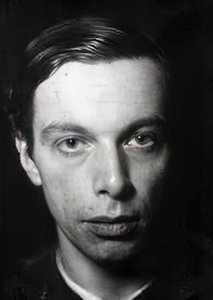
Ernst Ludwig Kirchner, a name inextricably linked to the raw emotional intensity of German Expressionism, emerged from a Germany poised on the cusp of profound transformation. His birth in Aschaffenburg, Bavaria, in 1880, wasn’t merely an arrival into the world; it was the beginning of a life deeply interwoven with artistic innovation and shadowed by personal struggles. The shifting landscapes that defined his early years – dictated by his father's profession as a paper chemist – instilled within him a persistent sense of displacement, a feeling that would become a recurring theme in his art. From Frankfurt to Perlen, nestled beside Lake Lucerne, and finally settling in Chemnitz, Kirchner absorbed the anxieties and rapid modernization sweeping across Germany. Initially pursuing architecture at the Königliche Technische Hochschule in Dresden, he ultimately found his true calling in painting, fueled by an admiration for masters like Albrecht Dürer – particularly his masterful woodcuts – and a growing disillusionment with the constraints of academic tradition. He discovered kinship amongst fellow rebels: Fritz Bleyl, Karl Schmidt-Rottluff, and Erich Heckel, forging bonds that would irrevocably shape the trajectory of 20th-century art.

The Bridge Between Worlds: Die Brücke and Artistic Revolution

In 1905, Kirchner became a founding member of *Die Brücke* (“The Bridge”), an artistic collective dedicated to bridging the gap between established aesthetics and a more visceral, emotionally charged form of expression. This wasn’t simply a stylistic decision; it represented a fundamental philosophical stance. The group sought inspiration from sources often overlooked by the art establishment – the primal art of Africa and Oceania, the intensely colored works of Vincent van Gogh, and the haunting psychological depth of Edvard Munch. Rejecting the idealized beauty championed by academic painting, *Die Brücke* embraced distortion, jarring color palettes, and expressive brushwork to convey the anxieties and alienation inherent in modern life. Kirchner’s early works, born from this collaborative spirit, pulsed with a restless energy, reflecting the group's shared desire to break free from artistic conventions. The studio became a crucible for experimentation, a space where social norms were challenged alongside artistic traditions. The exploration of the human form, particularly the female nude, within both urban and natural settings, became a recurring motif, allowing Kirchner to delve into themes of movement, emotion, and the complexities of modern existence.

Berlin’s Concrete Heart: Urban Landscapes and Psychological Depth

Following his relocation to Berlin in 1911, Kirchner's artistic focus intensified, centering on the city’s stark realities. He captured the frenetic energy of urban life with a distinctive intensity – not merely depicting streets and buildings, but conveying the psychological impact of being immersed within them. Paintings like *The Street* (1908) are powerful portraits of alienation, reflecting the anonymity and isolation experienced by individuals navigating the sprawling metropolis. Kirchner’s use of color became even more dramatic, employing bold contrasts to heighten the sense of unease and disorientation. He wasn't interested in romanticizing urban life; instead, he presented a brutally honest depiction of its anxieties, capturing the feeling of being overwhelmed by the sheer scale and relentless pace of modern existence. This unflinching gaze established him as a chronicler of his time, an artist who dared to confront the darker undercurrents of societal progress.

A Style Defined: Color, Distortion, and Emotional Resonance

Kirchner’s artistic style is immediately recognizable for its distinctive characteristics. He wielded color not as a tool for faithful representation, but as a means of evoking powerful emotional responses – vibrant, often non-naturalistic hues that amplified the sense of unease or intensity within his compositions. His brushstrokes were energetic and visible, contributing to the overall feeling of immediacy and raw emotion. Figures and objects were frequently distorted or elongated, reflecting a subjective rather than objective reality. Kirchner’s work is characterized by a deliberate rejection of traditional perspective and a preference for flattened planes and simplified forms. This stylistic approach wasn't merely an aesthetic choice; it was a conscious effort to convey the psychological impact of his subjects – to capture their inner turmoil and emotional state. The influence of artists like Van Gogh, with his expressive brushwork and intense color palettes, is readily apparent in Kirchner’s work, as is the haunting psychological depth found in Munch's paintings.

Tragedy and Legacy: A Lasting Impact

Kirchner’s life was tragically marked by personal struggles. The horrors of World War I triggered a severe mental breakdown, forcing him to retreat to Switzerland in search of solace. However, even during his exile, he continued to create, his work reflecting the lingering trauma and isolation he experienced. The rise of Nazism brought further hardship; over 600 of his works were confiscated and deemed “degenerate” art – a devastating blow that underscored the political climate’s hostility towards modern artistic expression. Facing persecution and declining health, Kirchner tragically took his own life in Davos, Switzerland, in 1938. Despite this heartbreaking end, Ernst Ludwig Kirchner's legacy remains profoundly influential. He stands as a central figure of German Expressionism, inspiring generations of artists with his bold style, emotionally resonant depictions of modern life, and unwavering commitment to artistic truth. His work continues to be exhibited in major museums worldwide, serving as a powerful reminder of the enduring power of art to confront, challenge, and ultimately illuminate the human condition.
  • Influenced By: Albrecht Dürer, Vincent van Gogh, Edvard Munch, Primitive Art (African & Oceanic)
  • Influenced: Kirchner’s work profoundly impacted subsequent generations of Expressionist and Modern artists. His exploration of psychological themes and his innovative use of color and form continue to inspire contemporary art practices.
Current Meta Description: Ernst Ludwig Kirchner (1880-1938): Key German Expressionist & Die Brücke co-founder. Explore bold, emotive paintings of urban life, nudes & landscapes. Current Meta Keywords: Ernst Ludwig Kirchner, Kirchner paintings, German Expressionism, Die Brücke, Expressionist art, Berlin street scenes, Woodcut prints, Modern German art, Nude figures, Kirchner artwork
Ernst Ludwig Kirchner

Ernst Ludwig Kirchner

1880 - 1938 , Niemcy

Krótka nota

  • Artistic Movement Or Style: Ekspresjonizm
  • Artists Or Movements Influenced By This Artist:
    • Die Brücke
    • Nowoczesny sztuka
  • Artists Who Influenced This Artist:
    • Dürer
    • Van Gogh
    • Munch
  • Date Of Birth: 6 maja 1880
  • Date Of Death: 15 czerwca 1938
  • Full Name: Ernst Ludwig Kirchner
  • Nationality: Niemiec
  • Notable Artworks:
    • The Street
    • Leaping Dancer
  • Place Of Birth: Aschaffenburg, Niemcy
Odkryj dzieła sztuki uporządkowane według tematów, stylów i cech charakterystycznych.