


x

Kup wysokiej rozdzielczości, ulepszony obraz cyfrowy o znacznie wyższej jakości niż podgląd online.
Każdy plik jest starannie przygotowywany przez naszych specjalistów przy użyciu zaawansowanych narzędzi oraz profesjonalnej, ręcznej retuszy. Dbamy o to, aby każdy obraz cechował się wyjątkową ostrością, precyzyjnym odwzorowaniem kolorów i subtelnymi detalami.
Ostateczny plik dostarczany jest drogą mailową w ciągu 72 godzin, zoptymalizowany do natychmiastowego wykorzystania w profesjonalnych zastosowaniach redakcyjnych i poligraficznych. To ta sama jakość, której ufają czołowe studia projektowe, wydawnictwa oraz galerie sztuki.
Pobierz plik o wysokiej rozdzielczości do osobistego wyświetlania, druku oraz projektów kreatywnych. ( Zamów wydruk Zamów ręcznie malowaną reprodukcję)
Wybierając Most-Famous-Paintings.com, nie otrzymujesz jedynie obrazu – otrzymujesz profesjonalnie udoskonalone cyfrowe dzieło sztuki, stworzone z najwyższą precyzją i objęte gwarancją satysfakcji. Oto wszystko, co automatycznie dołączane jest do Twojego zamówienia:

Plik z obrazem cyfrowym w wysokiej rozdzielczości zostanie przesłany na Twój adres e-mail w ciągu 72 godzin od złożenia zamówienia – gotowy do natychmiastowego użycia.

Twoja grafika została profesjonalnie zoptymalizowana przy użyciu zaawansowanych narzędzi AI oraz ręcznej edycji, co zapewnia maksymalną szczegółowość, klarowność i wierność kolorów.

Przypadkowo usunąłeś lub zgubiłeś swój plik? Bez obaw – prześlemy go Tobie ponownie w dowolnym momencie, bez żadnych opłat.

Ciesz się swoją sztuką natychmiast, bez żadnych opłat celnych, należności ani kosztów dostawy – pliki cyfrowe są zawsze wolne od podatku.

Dzięki zastosowaniu profesjonalnych narzędzi i procesów zarządzania barwą zapewniamy, że Twoje cyfrowe zdjęcie odzwierciedla oryginalne kolory tak wiernie, jak to tylko możliwe.

Jeśli nie będziesz zadowolony ze swojego cyfrowego obrazu, dokonamy jego poprawki lub zwrócimy 100% kosztów w ciągu 60 dni – bez żadnych pytań.

Nie jesteś zadowolony? Otrzymaj pełny zwrot kosztów w ciągu 60 dni od otrzymania pliku cyfrowego – bez zbędnych pytań.

Kup 3 obrazy, oszczędź 10% - Kup 5, oszczędź 15% - Kup 10+, oszczędź 20%. Idealne do projektów kreatywnych, galerii i agencji.
Fernand Léger's "Ballet Mécanique," painted in 1924, isn’t merely a depiction of a scene; it’s a vibrant, pulsating embodiment of the machine age and its impact on human experience. This groundbreaking work, born from Léger’s fascination with industrial forms and his post-war reflections, transcends simple representation to become a dynamic exploration of rhythm, movement, and the increasingly mechanized world around us. The painting captures a fleeting moment within a larger, almost frenetic sequence – a snapshot of urban life filtered through the lens of Cubism and a burgeoning interest in technology’s influence.
The composition itself is immediately arresting. Léger abandons traditional perspective, instead presenting a series of interlocking rectangular frames, reminiscent of a filmstrip or a mechanical animation. Within these frames, we encounter a cast of figures – women engaged in everyday activities like gardening and laundry, alongside glimpses of industrial machinery and domestic objects. These elements aren’t rendered with meticulous detail; rather, they are fragmented, simplified, and abstracted into geometric shapes—cylinders, cones, and angular forms that dominate the scene. This deliberate reduction emphasizes their mechanical essence, transforming familiar subjects into stylized symbols of a rapidly changing world.
“Ballet Mécanique” is deeply rooted in Léger’s development of “Tubism,” an artistic style he pioneered alongside Robert Delaunay. Tubism sought to capture the essence of modern life through the simplification of forms into cylindrical shapes, reflecting the perceived strength and stability of machinery. This approach wasn't about replicating reality but rather distilling it down to its fundamental geometric components – a direct response to the industrial landscape that was reshaping Europe after World War I. The painting’s palette is deliberately restrained—primarily consisting of bold primary colors (red, blue, yellow) punctuated by black and white—further reinforcing the mechanical aesthetic. The lack of shading or depth contributes to the feeling of flatness and immediacy, as if we are witnessing a continuous stream of images unfolding before our eyes.
It’s crucial to understand that “Ballet Mécanique” was conceived in conjunction with a film of the same name, directed by Dudley Murphy. Léger and Murphy intended the painting to serve as a visual accompaniment to the film, capturing its dynamic rhythm and fragmented imagery. The film itself—a pioneering experiment in experimental cinema—utilized synchronized music composed by George Antheil, further amplifying the sense of mechanical precision and rhythmic intensity. The pairing of the painting and the film created a truly immersive experience, blurring the boundaries between art forms and reflecting the growing fascination with new technologies and their impact on culture.
Beyond its technical innovations, “Ballet Mécanique” carries a potent symbolic weight. The repetitive movements of the figures, the fragmented forms, and the relentless pace of the composition evoke a sense of both excitement and anxiety—a reflection of the rapid social and technological changes occurring in the 1920s. The painting isn’t simply celebrating progress; it's also hinting at the potential alienation and dehumanization that can accompany industrialization. The figures, though seemingly engaged in everyday activities, appear strangely detached and isolated within their mechanical surroundings. Despite this underlying tension, “Ballet Mécanique” ultimately offers a surprisingly optimistic vision of modernity—a celebration of dynamism, energy, and the transformative power of technology.
Today, reproductions of "Ballet Mécanique" remain highly sought after by collectors and interior designers alike. Its bold colors, dynamic composition, and iconic imagery make it a striking addition to any space. When incorporated into an interior setting, the painting’s inherent energy can invigorate a room, creating a conversation piece that speaks to both the history of modern art and the ongoing fascination with the machine age. Consider pairing it with sleek, minimalist furniture or incorporating elements of industrial design to further enhance its visual impact.

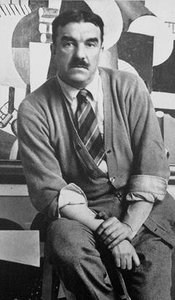
1881 - 1955 , Francja


Bądź na bieżąco z najnowszymi wiadomościami ze świata sztuki, ekskluzywnymi ofertami i inspiracjami dekoratorskimi.
Opowiedz nam o swoim projekcie, a nasi eksperci przygotują dla Ciebie 3 spersonalizowane propozycje dzieł sztuki.
Przygotujemy dla Ciebie 3 propozycje zupełnie za darmo!


 Podgląd w skali
 Wyślij jako kartkę
 Udostępnij
 Szczegóły dzieła

 Pobierz
 Podobne obiekty
 RTG
RTG Pokaz slajdów

 Rozwiń treść


