


x


 Zamów reprodukcję Kup cyfrowy obraz
 Udostępnij
 Szczegóły dzieła
 Dodaj do ulubionych
 Pobierz
 Podobne obiekty
 RTG
RTG
 Pokaz slajdów
Druk giclée lub płótno o jakości muzealnej z szybką realizacją i szerokim wyborem opcji wykończenia.





























Wybierz spośród naszych predefiniowanych rozmiarów, które zachowują oryginalne proporcje dzieła sztuki.

Możesz wprowadzić własne wymiary, aby dopasować dzieło do konkretnej ramy lub przestrzeni. Jeśli wybrany rozmiar nie będzie odpowiadał proporcjom oryginalnego obrazu, przytniecie dzieło lub rozszerzymy obraz za pomocą odbicia lustrzanego lub jednolitego wypełnienia krawędzi. Przed rozpoczęciem produkcji prześlemy cyfrową wizualizację do Twojej akceptacji.
Prosimy pamiętać, że podgląd na ekranie nie odzwierciedla faktycznego przycinania ani rozszerzania. Tylko wizualizacja dokładnie pokaże końcową kompozycję.
Mimo dostępności niestandardowych rozmiarów, zalecamy wybór wymiaru z listy zdefiniowanej, aby zachować oryginalne proporcje.
Dostawa na cały świat () w ciągu 2 tygodni zamiast standardowych 4/5 tygodni. (21 Lipiec)


Mechanik
Wymiary reprodukcji
Fernand Léger’s "The Mechanic," painted in 1920, isn't merely a portrait; it’s a vibrant declaration of the modern age. This captivating work transcends simple representation, plunging us into a world where human form intertwines with the burgeoning logic of machinery and industrial design. Léger, a pivotal figure in early 20th-century art, sought to capture not just what we *see*, but the very essence of modernity – its dynamism, its geometric precision, and its profound impact on our perception of reality. The painting immediately draws the eye with its bold palette dominated by yellows, reds, blues, and stark blacks and whites; a deliberate choice that echoes the colors of factories and urban landscapes of the era.
Léger’s distinctive style, often referred to as “Tubism,” is instantly recognizable. He abandons traditional perspective in favor of a flattened plane, where multiple viewpoints are combined into a single, dynamic composition. This technique creates an illusion of depth through overlapping shapes and intersecting lines – a deliberate rejection of the Renaissance ideal of linear space. The figures aren’t rendered realistically; instead, they're broken down into simplified, cylindrical forms, reminiscent of gears and pistons, reflecting Léger’s fascination with industrial aesthetics. Notice how the central figure is not depicted as an individual but rather as a collection of these geometric elements, suggesting a being integrated within the machine age.
“The Mechanic” firmly establishes itself within the framework of Cubism, yet Léger pushes its boundaries. While sharing the Cubist principle of fragmented forms and multiple perspectives, he departs from Picasso and Braque’s more analytical approach. Léger's work is less about dissecting reality and more about synthesizing it – creating a new visual language that embodies the spirit of the machine age. The painting’s angular lines and sharp edges contribute to a sense of movement and energy, mirroring the relentless pace of industrial progress. The use of bold outlines further emphasizes these geometric forms, giving the composition a powerful, almost mechanical quality.
At first glance, “The Mechanic” might appear to be a purely abstract exploration of form. However, closer inspection reveals a subtle layer of symbolism. The central figure, seated with his arm resting on a table and holding a cigarette, is not simply a depiction of a worker; he embodies the artist or thinker grappling with the implications of this new industrial world. The anchor symbol prominently displayed on his left forearm – a recurring motif in Léger’s work – represents stability, strength, and perhaps even a connection to tradition amidst the rapid changes of modernity. The inclusion of elements like a window and a partial building in the background subtly anchors the figure within a recognizable environment, reminding us that this contemplation is taking place within the context of urban life.
“The Mechanic” stands as a crucial document of its time – a visual articulation of the anxieties and aspirations surrounding industrialization. Created in 1920, it reflects Léger’s evolving style during a period of unprecedented artistic experimentation. Influenced by Cubism and the transformative advancements of the era, he sought to capture not just the *appearance* of machines but their underlying logic and impact on human experience. This painting is more than just an image; it's a testament to Léger’s ability to translate the complexities of the modern world into a powerfully evocative work of art – a piece that continues to resonate with viewers today, inviting us to contemplate our relationship with technology and the nature of creativity itself.

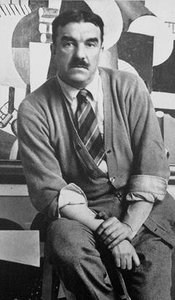
1881 - 1955 , Francja
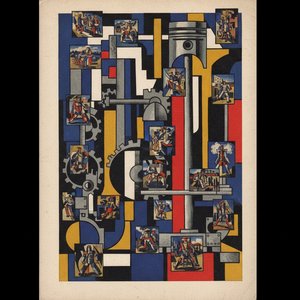
Odkryj 25 arcydzieł Fernanda Légera – pioniera kubizmu i malarstwa maszyn. Poznaj historię, technikę i inspiracje tych ikonicznych obrazów. Reprodukcje najwyższej jakości na Most-Famous-Paintings.com! Eksploruj pełną kolekcję online.
Odkryj 25 arcydzieł MoMA! Poznaj historie Van Gogha, Picassa i Warhola. Reprodukcje słynnych obrazów, inspiracje wnętrzarskie i dekoracje ścienne najwyższej jakości. Most-Famous-Paintings.com – sztuka dla Twojego domu.

Odkryj 25 arcydzieł Metropolitańskiego Muzeum Sztuki! Van Gogh, Monet, Renoir i inni – historie artystów, techniki i inspiracje dla Twojego wnętrza. Reprodukcje najwyższej jakości na Most-Famous-Paintings.com. Eksploruj kolekcję online!
Odkryj 25 arcydzieł Henri Matisse’a – od żywych kolorów fauwizmu po ikoniczne kompozycje. Poznaj historię, technikę i inspiracje malarstwa francuskiego. Reprodukcje obrazów najwyższej jakości na Most-Famous-Paintings.com! Eksploruj kolekcję online.
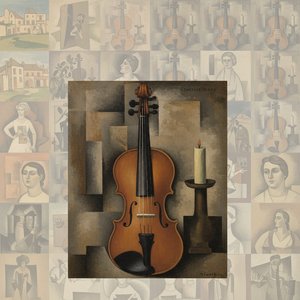
Odkryj 25 arcydzieł Georges'a Braque – pioniera kubizmu i malarstwa nowoczesnego. Poznaj historię, techniki i inspiracje za jego najsłynniejszymi obrazami. Reprodukcje najwyższej jakości na Most-Famous-Paintings.com! Eksploruj pełną kolekcję online.


Bądź na bieżąco z najnowszymi wiadomościami ze świata sztuki, ekskluzywnymi ofertami i inspiracjami dekoratorskimi.
Opowiedz nam o swoim projekcie, a nasi eksperci od sztuki przygotują dla Ciebie 3 spersonalizowane propozycje dzieł sztuki.
Pozwól nam przygotować 3 propozycje specjalnie dla Ciebie – za darmo!


 Udostępnij


 Rozwiń treść







 Opcja szkła jest dostępna wyłącznie w rozmiarach poniżej 110 cm


