


x

 Acrylic On CanvasWallArtSurrealism
 1952Modern
 24.0 x 28.0 cm
Ręcznie malowany obraz olejny na płótnie, wykonany na zamówienie przez naszych artystów w wybranym przez Ciebie wymiarze i oprawie. ( Zamów wydruk Kup obraz wysokiej rozdzielczości)





























Wybierz spośród naszych standardowych rozmiarów, które zachowują oryginalne proporcje dzieła sztuki.

Możesz wprowadzić własne wymiary, aby dopasować obraz do konkretnej ramy lub przestrzeni. Jeśli wybrany rozmiar nie będzie odpowiadał proporcjom oryginału, przytniecie dzieło sztuki lub rozszerzymy je o dodatkowe elementy, ręcznie domalowane przez artystę. Przed rozpoczęciem produkcji wyślemy projekt cyfrowy do Twojej akceptacji.
Należy pamiętać, że podgląd na ekranie nie odzwierciedla rzeczywistego przycinania ani rozszerzania obrazu. Tylko projekt dokładnie pokaże ostateczną kompozycję.
Choć oferujemy możliwość zamówienia niestandardowych rozmiarów, zalecamy wybór wymiaru z gotowej listy, aby zachować oryginalne proporcje dzieła.
Dostawa na całym świecie () w ciągu 3–4 tygodni zamiast standardowych 5 tygodni. (23 Sierpień). Bez kompromisów w kwestii jakości.


Rooster and logs
Wymiary reprodukcji
Fernand Léger's 1952 painting, “Rooster and Logs,” is a captivating exploration of form and the burgeoning influence of the machine age on artistic expression. Executed during a period of significant transition for Léger – moving beyond his earlier Cubist explorations towards a more overtly expressive style – this work embodies his fascination with industrial geometry and its integration into everyday life. Measuring 24 x 28 cm, the painting’s compact scale belies the powerful visual statement it makes. The immediate impact is dominated by the vibrant red of the rooster, a bold focal point that commands attention against the stark black background. This deliberate contrast immediately evokes associations with machinery – the polished surfaces of engines and the fiery intensity of combustion – key elements in Léger’s evolving aesthetic.
While often categorized as Surrealist due to its dreamlike quality and unexpected juxtapositions, “Rooster and Logs” reveals a deeper engagement with Léger's own unique vision. The painting’s creation in 1952 aligns it within the broader context of Surrealism’s exploration of the subconscious, yet Léger resists pure abstraction. Instead, he employs simplified geometric forms – evident in the stylized depiction of the rooster and the blocky representation of the logs – to convey a sense of mechanized movement and structure. The inclusion of seemingly mundane objects—the scissors and pipe—further amplifies this symbolism, transforming them into visual metaphors for tools and instruments within an increasingly industrialized world. These elements aren’t merely decorative; they actively contribute to the painting's narrative about humanity’s relationship with technology.
Léger’s technique in “Rooster and Logs” is characterized by a deliberate flatness of picture plane, a hallmark of his mature style. The application of paint is broad and gestural, creating a textured surface that emphasizes the physicality of the forms. The use of black as a dominant background color isn't simply a stylistic choice; it serves to heighten the impact of the red rooster, pushing it forward in the composition and reinforcing its symbolic importance. The arrangement of the elements – the rooster perched atop the logs, with the scissors and pipe strategically placed—creates a dynamic tension within the frame, drawing the viewer’s eye across the canvas and inviting contemplation about the interplay between nature and industry.
Created in 1952, “Rooster and Logs” reflects Fernand Léger’s long and influential career. Having begun his artistic journey in Argentan, Normandy, he rose to prominence within the Parisian avant-garde, developing a distinctive style that blended Cubist principles with an acute awareness of modern technology. His work anticipated many of the concerns surrounding industrialization and its impact on human experience, making him a crucial figure in the transition from early 20th-century abstraction to later developments in art. This painting stands as a testament to his enduring fascination with form, color, and the evolving relationship between man and machine – a legacy that continues to resonate within contemporary art discourse.
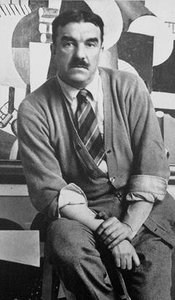
1881 - 1955 , Francja
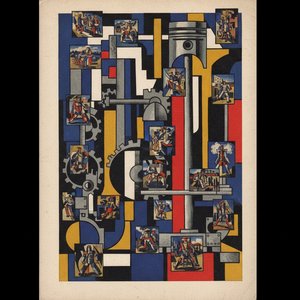
Odkryj 25 arcydzieł Fernanda Légera – pioniera kubizmu i malarstwa maszyn. Poznaj historię, technikę i inspiracje tych ikonicznych obrazów. Reprodukcje najwyższej jakości na Most-Famous-Paintings.com! Eksploruj pełną kolekcję online.

Odkryj fascynującą historię dekoracji ścian od starożytności do współczesności! Poznaj inspiracje, style i techniki zdobienia wnętrz. Ekspercka analiza i najwyższej jakości reprodukcje na Most-Famous-Paintings.

Odkryj 10 arcydzieł sztuki przemysłowej! Poznaj historie Hopper'a, Caillebotte'a i innych mistrzów. Reprodukcje obrazów w stylu industrialnym idealne do loftowego wnętrza. Most-Famous-Paintings – inspiracje i dekoracje ścienne najwyższej jakości. Explore the full collection online!
Odkryj świat luksusowych malowideł ściennych i fresków! Ekspercka analiza technik, inspiracje dla hoteli i wnętrz. Poznaj historię i przyszłość sztuki na ścianach z .

Transform your home into a breathtaking dreamscape with expert surrealist decor tips. Discover how to curate Salvador Dalí-inspired masterpieces, integrate symbolic textures, and commission bespoke hand-painted oil reproductions that bring the magic of the subconscious to your walls.


Bądź na bieżąco z najnowszymi wiadomościami ze świata sztuki, ekskluzywnymi ofertami i inspiracjami dekoratorskimi.
Opowiedz nam o swoim projekcie, a nasi eksperci przygotują dla Ciebie 3 spersonalizowane propozycje dzieł sztuki.
Przygotujemy dla Ciebie 3 propozycje zupełnie za darmo!


 Podgląd w skali
 Wyślij jako kartkę
 Udostępnij
 Szczegóły dzieła

 Pobierz
 Podobne obiekty
 RTG
RTG Pokaz slajdów
 Rozwiń treść







 Opcja ze szkłem jest dostępna wyłącznie w rozmiarach poniżej 110 cm


