


x


Druk giclée lub płótno o jakości muzealnej z szybką realizacją i szerokim wyborem opcji wykończenia. ( Przejdź do ręcznie malowanego obrazu Przełącz na obraz)





























Wybierz spośród naszych predefiniowanych rozmiarów, które zachowują oryginalne proporcje dzieła sztuki.

Możesz wprowadzić własne wymiary, aby dopasować dzieło do konkretnej ramy lub przestrzeni. Jeśli wybrany rozmiar nie będzie odpowiadał proporcjom oryginalnego obrazu, przytniecie dzieło lub rozszerzymy obraz za pomocą odbicia lustrzanego lub jednolitego wypełnienia krawędzi. Przed rozpoczęciem produkcji prześlemy cyfrową wizualizację do Twojej akceptacji.
Prosimy pamiętać, że podgląd na ekranie nie odzwierciedla faktycznego przycinania ani rozszerzania. Tylko wizualizacja dokładnie pokaże końcową kompozycję.
Mimo dostępności niestandardowych rozmiarów, zalecamy wybór wymiaru z listy zdefiniowanej, aby zachować oryginalne proporcje.
Dostawa na cały świat () w ciągu 2 tygodni zamiast standardowych 4/5 tygodni. (31 Lipiec)


July 20th
Wymiary reprodukcji
Fernando Botero’s “July 20th,” painted in 1984, isn't merely a depiction of two figures on a street; it’s a carefully constructed tableau brimming with quiet drama and subtle social commentary. The painting immediately arrests the eye with its monumental scale – a characteristic hallmark of Botero’s signature style, often referred to as “Boterismo.” Here, however, the exaggeration isn't purely for spectacle. Instead, it serves to amplify the emotional weight of the scene, drawing us into an intimate moment of interaction amidst the bustling backdrop of Medellín.
The composition is deceptively simple: a man in a fedora and sporting a baseball bat stands alongside a woman whose hand instinctively rises to her face. Their positioning – close but not touching – suggests a conversation held just short of revelation, a shared experience suspended in time. A few secondary figures populate the periphery, hinting at a larger urban life unfolding beyond this immediate exchange. The inclusion of a handbag and a small child adds layers of domesticity, grounding the scene within the everyday realities of Colombian society.
Botero's genius lies in his masterful manipulation of volume – a technique he honed during his early years observing the Baroque churches and vibrant street life of Medellín. “July 20th” exemplifies this perfectly. The figures are rendered with thick, almost sculptural brushstrokes, their forms ballooning outwards, creating an illusion of immense size and solidity. This deliberate distortion isn’t about literal representation; it's a conscious choice to emphasize the subjects’ presence and imbue them with a sense of weight and importance. Notice how the man’s bat seems to expand into a formidable weapon, while the woman’s gesture – a subtle shield against an unseen force – adds another layer of complexity.
Painted in 1984, “July 20th” reflects the social and political climate of Colombia at the time. The country was grappling with internal conflict and economic instability, and Botero’s work often engaged with themes of violence, inequality, and the complexities of Colombian identity. The painting can be interpreted as a meditation on human connection amidst societal pressures – a quiet moment of intimacy within a world marked by uncertainty. It's also worth noting that July 20th is Colombia's Independence Day, adding another layer of cultural significance to the scene.
The choice of Medellín as the setting is crucial. The city’s rich artistic heritage and its distinctive architectural style – characterized by ornate facades and a sense of grandeur – undoubtedly influenced Botero’s aesthetic sensibilities. “July 20th” captures this spirit, transporting us to a vibrant urban landscape where everyday life unfolds against a backdrop of historical and cultural richness.
Despite its seemingly simple composition, “July 20th” possesses a remarkable emotional depth. The ambiguity of the interaction between the two figures invites speculation – are they lovers? Friends? Strangers caught in a fleeting moment of connection? The painting’s power lies in its ability to evoke a sense of nostalgia and quiet contemplation. It's a reminder that even within the most chaotic of environments, moments of genuine human connection can emerge, offering a glimpse into the complexities of the human experience. The painting’s enduring appeal stems from its ability to resonate with viewers on a deeply personal level, prompting them to reflect on their own relationships and experiences.

1932 - 1959 , Kolumbia

Poznaj 10 arcydzieł akrylu na płótnie, które zrewolucjonizowały sztukę! Odkryj historie Pollocka, Rothko i Kleina. Inspiracje wnętrzarskie & reprodukcje obrazów najwyższej jakości na Most-Famous-Paintings.com.
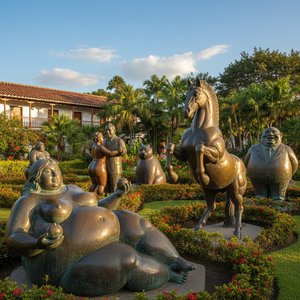
Explore the captivating world of Fernando Botero! Discover his iconic 'Boterismo' style, Colombian influences, investment potential & lasting legacy. Expert insights for art collectors.

Explore the vibrant world of Gene Davis and the Washington Color School. Discover his iconic stripe paintings, innovative techniques, and lasting impact on American abstract art. A deep dive for collectors & enthusiasts.

Odkryj sztukę na zamówienie najwyższej jakości! Ręcznie malowane obrazy i reprodukcje dopasowane do Twoich potrzeb. Ekskluzywne dekoracje wnętrz hotelowych i komercyjnych. Zaufaj naszym artystom!

Poznaj 10 legendarnych obrazów akrylowych, które zrewolucjonizowały świat sztuki! Odkryj historie Pollocka, Rothko i Warhola. Reprodukcje najwyższej jakości na Most-Famous-Paintings.com – inspiracje dla Twojego wnętrza. Eksploruj kolekcję online!


Bądź na bieżąco z najnowszymi wiadomościami ze świata sztuki, ekskluzywnymi ofertami i inspiracjami dekoratorskimi.
Opowiedz nam o swoim projekcie, a nasi eksperci od sztuki przygotują dla Ciebie 3 spersonalizowane propozycje dzieł sztuki.
Pozwól nam przygotować 3 propozycje specjalnie dla Ciebie – za darmo!


 Podgląd w skali
 Udostępnij
 Udostępnij
 Szczegóły dzieła

 Pobierz
 Podobne obiekty
 RTG
RTG Pokaz slajdów


 Rozwiń treść







 Opcja szkła jest dostępna wyłącznie w rozmiarach poniżej 110 cm


