


x

Druk giclée lub płótno o jakości muzealnej, szybka realizacja i szeroki wybór opcji wykończenia. ( Zamów ręcznie malowaną reprodukcję Kup obraz wysokiej rozdzielczości)
Wybierz spośród naszych standardowych rozmiarów, które zachowują oryginalne proporcje dzieła sztuki.

Możesz wprowadzić własne wymiary, aby dopasować dzieło do konkretnej ramy lub przestrzeni. Jeśli wybrany rozmiar nie będzie odpowiadał proporcjom oryginalnego obrazu, przytniecie dzieło lub rozszerzymy obraz za pomocą odbicia lustrzanego lub jednolitego wypełnienia krawędzi. Przed rozpoczęciem produkcji prześlemy cyfrową wizualizację do Twojej akceptacji.
Prosimy pamiętać, że podgląd na ekranie nie odzwierciedla faktycznego przycinania ani rozszerzania. Tylko wizualizacja dokładnie pokaże końcową kompozycję.
Mimo dostępności niestandardowych rozmiarów, zalecamy wybór wymiaru z listy zdefiniowanej, aby zachować oryginalne proporcje.
Dostawa na cały świat () w ciągu 2 tygodni zamiast standardowych 4/5 tygodni. (15 Sierpień)


Ève
Wymiary reprodukcji
François Auguste René Rodin, a name synonymous with modern sculpture, didn’t simply carve stone; he wrestled with the very essence of human emotion. His legacy rests not just on monumental figures like “The Thinker,” but also on deeply intimate works that capture fleeting moments of vulnerability and introspection – and few exemplify this approach more powerfully than his bronze depiction of ‘Ève.’ Completed in 1883, this sculpture transcends a mere representation of the biblical figure; it’s an exploration of shame, regret, and the quiet contemplation born from transgression. Rodin's genius lies in his ability to imbue inanimate material with such palpable feeling, drawing viewers into a silent dialogue with the subject’s inner world.
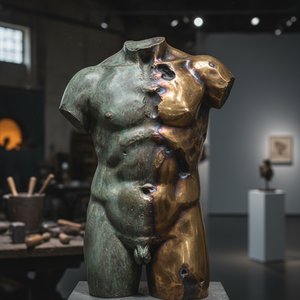
The sculpture itself is strikingly immediate. ‘Ève,’ rendered in rich, dark bronze, is presented in a subtly turned pose, her arms wrapped protectively around herself as if shielding herself from an unseen sorrow. Her head is bowed, not in defeat, but with a thoughtful stillness – a gaze averted, suggesting a private world of reflection. The texture of the bronze is deliberately rough and uneven in places, mirroring the emotional turmoil she embodies. This isn’t the idealized beauty often sought in classical sculpture; instead, it's a raw, honest portrayal of human experience, marked by the weight of consequence.
Rodin’s ‘Ève’ is deeply rooted in the artistic traditions that preceded him. He was profoundly influenced by the works of Michelangelo and Masaccio, particularly their depictions of biblical narratives from the Book of Genesis. The sculpture directly references these Renaissance masterpieces, most notably Masaccio's fresco “The Expulsion from the Garden of Eden,” where Eve’s initial reaction to being banished is captured with a similar sense of profound sadness and vulnerability. Rodin masterfully translates this emotional intensity into his own bronze form, creating a work that feels both timeless and deeply personal.
However, unlike the more overtly dramatic portrayals of the Renaissance masters, Rodin’s ‘Ève’ is remarkably restrained in its expression. He eschews overt gestures or theatrical poses, opting instead for a subtle shift in posture and a carefully controlled gaze to convey her inner state. This quiet intensity is characteristic of Rodin's style – he sought to capture not just the outward appearance of his subjects but also their innermost thoughts and feelings.
Rodin’s masterful use of bronze is central to the sculpture’s impact. He employed the lost-wax casting technique, allowing for incredible detail and a rich, textured surface. The greenish patina that develops over time – a result of oxidation – adds another layer of complexity to the work, suggesting both age and the passage of time. Symbolically, ‘Ève’ represents more than just the biblical figure; she embodies the universal experience of regret, remorse, and the burden of responsibility. Her posture suggests a desire for protection, perhaps a longing for innocence lost.
The choice of bronze itself is significant. Bronze, with its inherent durability and malleability, mirrors the resilience required to confront difficult emotions. It’s a material that can withstand the test of time, much like the enduring themes explored in ‘Ève.’ The simple rectangular base further grounds the figure, emphasizing her vulnerability against the stability of the world around her.
‘Ève’ remains a profoundly moving work of art, offering viewers an intimate glimpse into the complexities of human emotion. It is a testament to Rodin’s ability to capture not just the physical form but also the inner life of his subjects. Whether displayed in a grand museum or a private collection, ‘Ève’ continues to resonate with audiences today, inviting contemplation and reminding us of the enduring power of art to illuminate the human condition. Reproductions of this iconic sculpture offer a remarkable opportunity to bring Rodin's profound insights into any space, fostering reflection and appreciation for one of the 19th century’s most influential sculptors.

1840 - 1917 , Francja
Poznaj historię i techniki rzeźby z brązu – od antycznych arcydzieł po współczesne interpretacje. Przewodnik dla kolekcjonerów i inwestorów sztuki. Ekspercka analiza wartości dzieł.

Explore the revolutionary world of Auguste Rodin, the founder of modern sculpture. Discover his iconic works like 'The Kiss' & 'The Thinker,' innovative techniques, and lasting impact on art history. A deep dive into emotion and realism.

Poznaj fascynującą historię rzeźby z brązu! Odkryj techniki odlewania woskowego, symbolikę i wpływ kultury na formy. Poradniki konserwacji i inwestycji dla kolekcjonerów sztuki.

Kompleksowy przewodnik po rzeźbie z brązu dla kolekcjonerów i pasjonatów sztuki. Poznaj historię, techniki, wycenę i konserwację unikalnych dzieł. Ekspercka wiedza i porady inwestycyjne.

Poznaj historię rzeźby od antyku do współczesności! Ekspercka analiza technik, stylów i emocjonalnego wpływu arcydzieł. Inspiracje dla kolekcjonerów i miłośników sztuki.


Bądź na bieżąco z najnowszymi wiadomościami ze świata sztuki, ekskluzywnymi ofertami i inspiracjami dekoratorskimi.
Opowiedz nam o swoim projekcie, a nasi eksperci przygotują dla Ciebie 3 spersonalizowane propozycje dzieł sztuki.
Przygotujemy dla Ciebie 3 propozycje zupełnie za darmo!


 Wyślij jako kartkę
 Udostępnij
 Szczegóły dzieła

 Pobierz
 Podobne obiekty
 Pokaz slajdów

 Rozwiń treść




































 Opcja ze szkłem jest dostępna wyłącznie w rozmiarach poniżej 110 cm


