x

 MasonitMexican Folk Modernism
 1951
1951 23.0 x 31.0 cm
 Los Angeles County Museum of Art
Druk giclée lub płótno o jakości muzealnej, szybka realizacja i szeroki wybór opcji wykończenia. ( Przełącz na obraz ręcznie malowany Przełącz na obraz)





























Wybierz spośród naszych standardowych rozmiarów, które zachowują oryginalne proporcje dzieła sztuki.

Możesz wprowadzić własne wymiary, aby dopasować dzieło do konkretnej ramy lub przestrzeni. Jeśli wybrany rozmiar nie będzie odpowiadał proporcjom oryginalnego obrazu, przytniecie dzieło lub rozszerzymy obraz za pomocą odbicia lustrzanego lub jednolitego wypełnienia krawędzi. Przed rozpoczęciem produkcji prześlemy cyfrową wizualizację do Twojej akceptacji.
Prosimy pamiętać, że podgląd na ekranie nie odzwierciedla faktycznego przycinania ani rozszerzania. Tylko wizualizacja dokładnie pokaże końcową kompozycję.
Mimo dostępności niestandardowych rozmiarów, zalecamy wybór wymiaru z listy zdefiniowanej, aby zachować oryginalne proporcje.
Dostawa na cały świat () w ciągu 2 tygodni zamiast standardowych 4/5 tygodni. (9 Sierpień)


Weeping Coconuts or Coconut Tears
Wymiary reprodukcji
Frida Kahlo's "Weeping Coconuts or Coconut Tears," painted in 1951, is not merely a still life; it’s a raw, intensely personal exploration of grief, resilience, and the duality of Mexican identity. Created during a period marked by increasing physical pain and emotional turmoil – following her devastating bus accident – the painting offers a glimpse into Kahlo's uniquely introspective world. Measuring a modest 23 x 31 cm on masonite, this work immediately draws the eye with its vibrant palette and seemingly chaotic arrangement of fruits, yet beneath the surface lies a carefully constructed narrative brimming with symbolic weight.
At first glance, the composition appears joyful – an exuberant display of apples, oranges, and coconuts. These aren’t simply decorative elements; they are imbued with potent symbolism deeply rooted in Mexican culture. The apples, traditionally associated with fertility and new beginnings, sit prominently in the lower left corner, perhaps representing a yearning for restoration or a desire to overcome past hardships. Oranges, symbols of warmth, vitality, and prosperity, are scattered throughout the scene, suggesting an attempt to cultivate happiness amidst suffering. However, it’s the coconuts that hold the painting's most poignant message. Their drooping posture, almost as if weeping, directly references the title and speaks volumes about Kahlo’s internal state – a quiet sorrow layered beneath a vibrant exterior.
Kahlo's style in "Weeping Coconuts" is a fascinating blend of traditional Mexican folk art with the burgeoning modernist movement. The use of bold, flat colors and simplified forms echoes the vibrant imagery found in indigenous textiles and murals. Yet, unlike purely decorative works, Kahlo’s approach is deeply personal and emotionally charged. There's a deliberate primitivism at play – an emphasis on direct representation and symbolic resonance rather than meticulous detail. This simplification allows the viewer to connect with the painting on a visceral level, bypassing intellectual analysis and tapping into raw emotion. The masonite support itself contributes to this effect, lending a textured, almost tactile quality to the work.
"Weeping Coconuts" was created during a time of significant personal upheaval for Kahlo. Following her accident in 1925, she endured numerous surgeries and chronic pain, profoundly impacting her life and art. The painting reflects this ongoing struggle with physical limitations and emotional vulnerability. It’s important to note that the work is housed at the Los Angeles County Museum of Art (LACMA), a testament to its enduring significance within the broader context of Kahlo's oeuvre and the global appreciation for her unique artistic vision. Her exploration of identity, pain, and resilience continues to resonate deeply with audiences today, making "Weeping Coconuts" not just a beautiful painting but a powerful window into the soul of one of the 20th century’s most compelling artists.
Most-Famous-Paintings offers meticulously crafted hand-painted reproductions of “Weeping Coconuts or Coconut Tears,” allowing you to experience the raw emotion and vibrant beauty of this iconic work in stunning detail. Each reproduction is created by skilled artists using archival quality materials, ensuring a faithful representation of Kahlo’s original vision for generations to come.


1907 - 1954 , Meksyk

Explore the life & art of Frida Kahlo – a journey through surrealism, identity, pain, and resilience. Discover her autobiographical masterpieces & lasting feminist legacy with Most-Famous-Paintings.

Embark on a profound journey through Frida Kahlo's most iconic masterpieces. Discover the deep symbolism, Mexican heritage, and resilient spirit behind her legendary works in this expert art-historical exploration designed for true art enthusiasts.
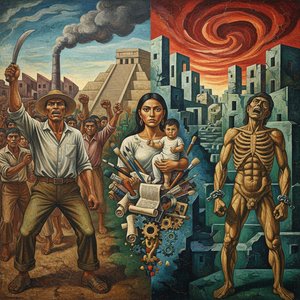
Explore the powerful world of Mexican muralism! Discover Diego Rivera, Frida Kahlo & Orozco's revolutionary art, social impact & lasting legacy. Expert insights & high-quality reproductions at Most-Famous-Paintings.

Embark on a visual journey through the vibrant colors and profound symbolism of iconic Mexican art. Explore the emotional depth of Frida Kahlo and other masters through our expert cultural analysis and premium hand-painted reproductions.

Explore the revolutionary murals of Diego Rivera and his profound impact on Mexican art & identity. Discover his techniques, iconic works like 'Man at the Crossroads,' and lasting legacy with Most-Famous-Paintings.


Bądź na bieżąco z najnowszymi wiadomościami ze świata sztuki, ekskluzywnymi ofertami i inspiracjami dekoratorskimi.
Opowiedz nam o swoim projekcie, a nasi eksperci przygotują dla Ciebie 3 spersonalizowane propozycje dzieł sztuki.
Przygotujemy dla Ciebie 3 propozycje zupełnie za darmo!


 Wyślij jako kartkę
 Udostępnij
 Szczegóły dzieła

 Pobierz
 Podobne obiekty
 Pokaz slajdów
 Rozwiń treść







 Opcja ze szkłem jest dostępna wyłącznie w rozmiarach poniżej 110 cm