Sprzedawaj swoją sztukę
Lista życzeń Koszyk zakupowy Cart
Podgląd w skaliPodgląd w skali Podgląd ARPodgląd AR Zamów wydruk Zamów wydrukKup obraz wysokiej rozdzielczości Kup obraz wysokiej rozdzielczości Wyślij jako kartkęWyślij jako kartkę
Szczegóły dziełaSzczegóły dzieła Dodaj do ulubionych Dodaj do ulubionych PobierzPobierz Podobne obiektyPodobne obiekty RTGRTG Pokaz slajdówPokaz slajdów

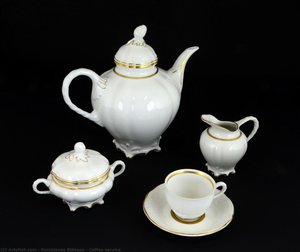
Chocolate Maker

Admire 'Chocolate Maker' by Fürstenberg Porcelain Company (1920). A stunning black & white reproduction of this exquisite Meissen piece. Elevate your art collection today!

Fürstenberg Porcelain Company is renowned for its exquisite Rococo and Neoclassical porcelain creations, including iconic tablewares and figurines; discover the timeless elegance of their artistry.

Ręcznie malowana reprodukcja olejowa

Ręcznie malowany obraz olejny na płótnie, wykonany na zamówienie przez naszych artystów w wybranym przez Ciebie wymiarze i oprawie. (Zamów wydruk Zamów wydrukKup obraz wysokiej rozdzielczości Kup obraz wysokiej rozdzielczości)

P118B $10
P118H $10
P118W $10
P438Z $10
P508JH $12
P508YH $12
P805H $10
P805Z $10
P919BZ $10
P919G $10
P919XJ $10
P959ZH $10
P968JZ $12
W106C $8
W218G $10
W218JH $8
W218Y $10
W307PJ $10
W316G $10
W316PJ $8
W316Y $10
W398PJ $8
W4111J $10
W500HY $15
W500JH $15
W692G $12
W849H $8
W940BG $15
W953PJ $8

Standard
custom
CM
INCH

Wybierz spośród naszych standardowych rozmiarów, które zachowują oryginalne proporcje dzieła sztuki.

szerokość
wysokość

Możesz wprowadzić własne wymiary, aby dopasować obraz do konkretnej ramy lub przestrzeni. Jeśli wybrany rozmiar nie będzie odpowiadał proporcjom oryginału, przytniecie dzieło sztuki lub rozszerzymy je o dodatkowe elementy, ręcznie domalowane przez artystę. Przed rozpoczęciem produkcji wyślemy projekt cyfrowy do Twojej akceptacji.
Należy pamiętać, że podgląd na ekranie nie odzwierciedla rzeczywistego przycinania ani rozszerzania obrazu. Tylko projekt dokładnie pokaże ostateczną kompozycję.
Choć oferujemy możliwość zamówienia niestandardowych rozmiarów, zalecamy wybór wymiaru z gotowej listy, aby zachować oryginalne proporcje dzieła.

Przykłady możliwych zmian: Zamień twarz na zdjęcie klienta; Dodaj zwierzę domowe (np. zamień kota na psa); Ukryj wiadomość w tle; Zmień krajobraz lub elementy tła.
Po złożeniu zamówienia zespół Most-Famous-Paintings.com skontaktuje się z klientem drogą mailową w celu uzyskania instrukcji i prześle wizualizację projektu

Dostawa na całym świecie () w ciągu 3–4 tygodni zamiast standardowych 5 tygodni. (20 Sierpień). Bez kompromisów w kwestii jakości.

why_choose_icon
Bezpłatna ekspresowa wysyłka na cały świat
why_choose_icon
Wysokiej jakości płótno lniane
why_choose_icon
Pełne ubezpieczenie przesyłki
why_choose_icon
Gwarancja zwrotu należności celnych i podatków importowych
why_choose_icon
Gwarancja wiernego odwzorowania kolorów
why_choose_icon
Polityka 60-dniowego zwrotu (tylko w przypadku wad)
why_choose_icon
Gwarancja 100% zwrotu kosztów
why_choose_icon
Zniżka przy zamówieniu wielu produktów

Suma całkowita

$ 272

reproduction

Chocolate Maker

Technika reprodukcji

Wymiary reprodukcji

-

Cena całkowita

$ 272


O artyście

The Enduring Legacy of Fürstenberg Porcelain

Fürstenberg Porcelain, a name synonymous with German artistry and refined elegance, boasts a history deeply interwoven with the ambitions of royalty and the pursuit of porcelain perfection. Founded in 1747 by Duke Carl I of Brunswick-Wolfenbüttel, the manufactory wasn’t merely intended as a source of luxury goods; it was conceived as a statement – a demonstration of the duchy's cultural prowess and economic independence. The Duke, captivated by the delicate beauty of porcelain emanating from Meissen, sought to replicate its success within his own domain. He understood that mastering this complex craft would not only elevate Brunswick-Wolfenbüttel’s status but also provide a valuable source of revenue. The initial years were fraught with challenges, as the secrets of hard-paste porcelain remained closely guarded by their Saxon rivals. However, through diligent experimentation and the recruitment of skilled artisans – notably from Meissen itself – Fürstenberg steadily began to unlock the mysteries of its creation. The early production focused on imitating existing models, but quickly evolved into a distinctive style characterized by rococo flourishes, intricate gilding, and a palette favoring soft blues, greens, and pinks.

Early Innovations and Rococo Splendor

The first decades of Fürstenberg’s existence were marked by an intense focus on technical innovation. Johann Gottlieb Kirchner, the factory's early director, played a pivotal role in establishing the manufactory’s reputation for quality. He successfully developed a unique porcelain paste using local materials, allowing Fürstenberg to move beyond simple imitation and forge its own path. This period saw the creation of exquisite tablewares – plates, cups, saucers, and elaborate serving pieces – adorned with scenes inspired by mythology, pastoral life, and the fashionable rococo aesthetic. The factory’s artisans excelled in producing finely painted figures, often depicting allegorical subjects or charming genre scenes. A hallmark of Fürstenberg porcelain from this era is its exceptional detail; delicate facial expressions, flowing draperies, and meticulously rendered foliage all speak to the skill and artistry of the craftsmen involved. The courtly demand for these pieces fueled production, establishing a clientele that extended beyond Brunswick-Wolfenbüttel to other European courts. The factory also pioneered innovative forms, such as the *Zwischenring* – an intermediate ring used in the firing process to create exceptionally thin-walled porcelain vessels.

Neoclassical Refinement and Royal Patronage

As tastes shifted towards Neoclassicism in the late 18th century, Fürstenberg adapted with remarkable grace. The rococo’s exuberant curves gave way to cleaner lines, symmetrical compositions, and motifs drawn from classical antiquity. The influence of artists like Johann Heinrich Wilhelm Tischbein, who served as court painter to Duke Ferdinand of Brunswick-Wolfenbüttel, is evident in the porcelain produced during this period. Figures became more stately and dignified, reflecting the ideals of reason and order that characterized the Neoclassical era. The factory continued to receive significant royal patronage, with commissions for elaborate dinner services, decorative vases, and ornamental sculptures. Duke Ferdinand, a keen art collector himself, actively encouraged experimentation and innovation within the manufactory. This led to the development of new techniques, such as *relief fond* – a method of creating raised designs on porcelain surfaces that added depth and texture to the pieces. The factory’s commitment to quality remained unwavering, ensuring that Fürstenberg porcelain continued to be highly sought after by discerning collectors throughout Europe.

The 19th Century: Artistic Diversification

The 19th century witnessed a period of artistic diversification at Fürstenberg. While continuing to produce traditional tablewares and figures, the factory also embraced new styles and techniques. The rise of Romanticism inspired a renewed interest in historical subjects and exotic motifs. Porcelain pieces from this era often depicted scenes from medieval legends, literary works, and distant lands. The factory’s artisans experimented with different glazes and colors, creating a wider range of aesthetic effects. A significant development was the introduction of *porcelain painting on biscuit* – a technique that allowed for greater detail and realism in figure decoration. The factory also began to produce architectural porcelain elements, such as panels and tiles, used in interior design projects. This expansion into new areas helped Fürstenberg maintain its relevance in a rapidly changing art world. The influence of the Art Nouveau movement can be seen in some later 19th-century pieces, with their flowing lines and organic forms.

Fürstenberg Today: A Continuing Tradition

Today, Fürstenberg Porcelain continues to thrive as one of Germany’s leading porcelain manufacturers. The factory remains committed to its tradition of handcraftsmanship, employing skilled artisans who carry on the techniques developed over centuries. While embracing modern design aesthetics, Fürstenberg also honors its rich heritage by producing reproductions of classic models and continuing to create pieces in traditional styles. The factory's current collection includes a wide range of products – from elegant tablewares and decorative objects to contemporary art pieces. Fürstenberg porcelain is still highly prized by collectors worldwide, not only for its beauty and craftsmanship but also for its historical significance. The factory’s enduring legacy is a testament to the vision of Duke Carl I, who recognized the power of art to elevate culture and enhance prestige. The meticulous attention to detail, the exquisite painting, and the innovative techniques employed by Fürstenberg artisans continue to set it apart as a true masterpiece of German porcelain.

Krótka nota

  • Artistic Movement Or Style: Porcelain Manufacturing
  • Date Of Death: Living
  • Full Name: Fürstenberg Porcelain Company