


x

Druk giclée lub płótno o jakości muzealnej, szybka realizacja i szeroki wybór opcji wykończenia. ( Zamów ręcznie malowaną reprodukcję Kup obraz wysokiej rozdzielczości)
Wybierz spośród naszych standardowych rozmiarów, które zachowują oryginalne proporcje dzieła sztuki.

Możesz wprowadzić własne wymiary, aby dopasować dzieło do konkretnej ramy lub przestrzeni. Jeśli wybrany rozmiar nie będzie odpowiadał proporcjom oryginalnego obrazu, przytniecie dzieło lub rozszerzymy obraz za pomocą odbicia lustrzanego lub jednolitego wypełnienia krawędzi. Przed rozpoczęciem produkcji prześlemy cyfrową wizualizację do Twojej akceptacji.
Prosimy pamiętać, że podgląd na ekranie nie odzwierciedla faktycznego przycinania ani rozszerzania. Tylko wizualizacja dokładnie pokaże końcową kompozycję.
Mimo dostępności niestandardowych rozmiarów, zalecamy wybór wymiaru z listy zdefiniowanej, aby zachować oryginalne proporcje.
Dostawa na cały świat () w ciągu 2 tygodni zamiast standardowych 4/5 tygodni. (19 Sierpień)


Bowl
Wymiary reprodukcji
George Edgar Ohr (1857 – 1918), an American ceramic artist hailing from Biloxi, Mississippi, stands apart in the annals of modern art. Often dubbed “The Mad Potter,” Ohr wasn't merely crafting utilitarian objects; he was embarking on a radical exploration of form and materiality—a quest to liberate ceramics from convention and forge its own path toward abstraction.
Born in Biloxi, Ohr’s formative years were steeped in the rich cultural landscape of the American South. His parents, German immigrants driven by ambition and opportunity, instilled in him a disciplined work ethic alongside an appreciation for craftsmanship—a foundation that would prove crucial to his artistic development. However, it was the very environment of Biloxi itself – its abundant clay deposits and vibrant artisan traditions – that truly ignited Ohr’s creative spark.
Ohr’s artistic philosophy revolved around a defiant rejection of conventional notions of beauty. He deliberately eschewed polished surfaces and symmetrical designs, favoring instead textures and forms that pulsed with organic irregularity. This approach wasn't born out of carelessness; it was a conscious decision to embrace imperfection as an inherent element of artistic expression—a stance that foreshadowed the burgeoning Abstract Expressionist movement.
Ohr’s distinctive technique centered on slip-trailing, a method where liquid clay is poured onto a surface to create textured patterns. He experimented tirelessly with glaze colors—often employing bold hues that clashed dramatically—further amplifying the visual impact of his pieces. Ohr's studio was filled with an astonishing array of vessels – mugs, bowls, vases – each bearing unmistakable marks of his singular vision.
Ohr’s ceramics weren’t simply decorative objects; they were conduits for emotion and contemplation. The asymmetrical forms and unpredictable glaze effects conveyed a sense of spontaneity and unrestrained creativity—a deliberate challenge to the rational order championed by academic art circles. His work speaks to an underlying belief in intuition as a guiding force, mirroring the turbulent spirit of the era.
Though largely unrecognized during his lifetime, Ohr’s influence has endured through subsequent generations of artists. Critics and historians alike acknowledge him as a pivotal figure—a pioneer who dared to abandon established conventions and champion the expressive potential of ceramics. Today, Ohr’s extraordinary creations reside primarily at the Ohr–O'Keefe Museum of Art in Biloxi, Mississippi, where they continue to inspire awe and provoke reflection.

George Edgar Ohr, a name now synonymous with audacious innovation and delightfully eccentric artistry in the realm of American ceramics, was born on July 12, 1857, within the sun-drenched coastal city of Biloxi, Mississippi. His parents, German immigrants driven by the promise of opportunity, instilled in him a strong work ethic – a foundation built upon their heritage – and perhaps a subtle echo of the Old World’s artistic sensibilities. However, it was the unique, vibrant atmosphere of Biloxi itself—a bustling confluence of cultures, a place where the bounty of the sea met the rich soil, providing an abundance of clay—that truly nurtured his burgeoning talent. Ohr wasn't merely a potter; he was a revolutionary explorer, relentlessly pushing against the established boundaries of form, texture, and glaze, determined to redefine what ceramic art could become. He embraced the moniker “Mad Potter of Biloxi,” not as a dismissive label, but as a proud declaration of his unconventional approach, his unwavering dedication to artistic freedom, and his refusal to be constrained by convention.
Ohr’s journey into ceramics began with a touch of serendipity. After a restless youth spent navigating various trades in New Orleans—a period marked by experimentation and a search for purpose—he found himself apprenticed to Joseph Fortune Meyer, a potter connected to the burgeoning Arts & Crafts movement. This apprenticeship provided Ohr with a crucial grounding in traditional techniques – the fundamentals of wheel throwing, kiln firing, and glaze application. Yet, it was his subsequent travels—a remarkable sixteen-state odyssey across America’s potteries—that truly ignited his creative spark. He immersed himself in diverse methods and styles, absorbing the wisdom of countless artisans, but he wasn't content to simply replicate; he sought to transcend convention, to synthesize these influences into something entirely new.
Upon his return to Biloxi, determined to forge his own path, Ohr established “Biloxi Art and Novelty Pottery,” a space where he could fully realize his artistic vision. The clay from the nearby Tchoutacabouffa River became his medium—a rich, pliable substance that responded directly to his touch. His hands, instruments of transformation, coaxed form from the earth, shaping vessels that were both functional and profoundly expressive. He wasn’t simply creating objects; he was engaging in a dialogue with the clay itself, imbuing it with emotion and personality.
Ohr’s work stands apart due to its radical departure from prevailing ceramic norms. While many potters of his era focused on functionality and symmetrical forms—producing pieces designed for everyday use—Ohr embraced asymmetry, distortion, and a deliberate rejection of perfection. He pioneered techniques that seemed almost impossible – twisting the clay into improbable shapes, crumpling it with abandon, folding it upon itself, and stretching it to an astonishing degree. His glazes were equally experimental, vibrant, unpredictable, and often resembling molten metal or iridescent jewels. He wasn’t interested in simply decorating pottery; he was sculpting with color and light, transforming the mundane into the extraordinary. He thinned his walls to an almost impossible degree, achieving a delicacy rarely seen in ceramics—a testament to his skill and daring. This audacious approach, combined with his unique glazes, resulted in pieces that were both visually stunning and structurally audacious – defying gravity and challenging expectations.
Despite his innovative spirit, Ohr struggled for recognition during his lifetime. The public wasn’t always receptive to his radical designs, and he often found himself at odds with prevailing tastes. Frustrated by the lack of appreciation and unwilling to compromise his artistic integrity, he ceased production around 1910, meticulously packing away thousands of pieces in his studio—a silent testament to his vision. He requested that his family leave the collection untouched for fifty years after his death, believing that future generations would be more receptive to his work. Sadly, Ohr passed away on April 7, 1918, during the influenza pandemic—a tragic loss for the art world. It wasn’t until the late 1960s and early 1970s that his genius was finally recognized. James Carpenter, an antiques dealer, discovered the hidden trove of pottery, recognizing its extraordinary value and significance, and began to champion Ohr's work, introducing it to a wider audience.
Today, George Edgar Ohr is celebrated as one of the most important figures in American ceramic history. His pioneering spirit continues to inspire artists around the world. His work can be found in major museums, including the Smithsonian Institution and the Metropolitan Museum of Art, and a dedicated museum – the Ohr–O'Keefe Museum of Art in Biloxi—stands as a vibrant testament to his enduring legacy. Ohr’s influence extends beyond ceramics; his willingness to challenge conventions resonates with artists across disciplines. He demonstrated that true artistic expression requires courage, independence, and an unwavering commitment to one’s vision. The “Mad Potter of Biloxi” may have been ahead of his time, but his work continues to speak volumes about the power of innovation, the beauty of imperfection, and the enduring allure of a truly singular artistic voice.

1857 - 1918 , Stany Zjednoczone
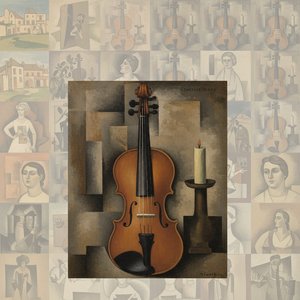
Odkryj 25 arcydzieł Georges'a Braque – pioniera kubizmu i malarstwa nowoczesnego. Poznaj historię, techniki i inspiracje za jego najsłynniejszymi obrazami. Reprodukcje najwyższej jakości na Most-Famous-Paintings.com! Eksploruj pełną kolekcję online.
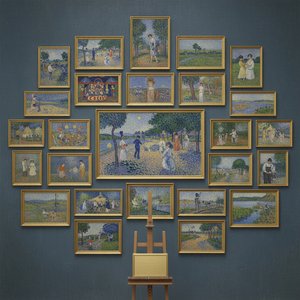
Odkryj 25 arcydzieł Georges'a Seurata! Poznaj historię punktalizmu, impresjonistyczne pejzaże i fascynującą technikę malarską. Reprodukcje obrazów najwyższej jakości na Most-Famous-Paintings.com – inspiracje do Twojego wnętrza. Eksploruj pełną kolekcję online!

Discover the profound beauty of ceramic art. Our expert guide explores the alchemy of clay, texture, and glaze, offering collectors deep insights into mastering earth and fire to create timeless, sculptural masterpieces for any curated collection.

Explore the profound elegance of ceramic art. From master glazes to sculptural forms, our expert guide offers discerning collectors deep insights into the mastery, texture, and timeless value of fine ceramics for sophisticated collections and luxury interiors.
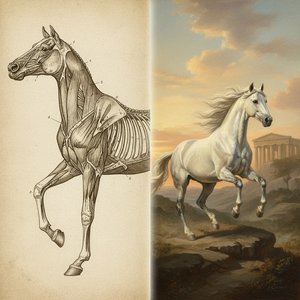
Explore the captivating world of George Stubbs, the 18th-century master renowned for his anatomical precision & Romantic animal paintings. Discover his legacy and investment potential.


Bądź na bieżąco z najnowszymi wiadomościami ze świata sztuki, ekskluzywnymi ofertami i inspiracjami dekoratorskimi.
Opowiedz nam o swoim projekcie, a nasi eksperci przygotują dla Ciebie 3 spersonalizowane propozycje dzieł sztuki.
Przygotujemy dla Ciebie 3 propozycje zupełnie za darmo!


 Wyślij jako kartkę
 Udostępnij
 Szczegóły dzieła

 Pobierz
 Podobne obiekty
 Pokaz slajdów

 Rozwiń treść




































 Opcja ze szkłem jest dostępna wyłącznie w rozmiarach poniżej 110 cm


