x

 Acrylic On CanvasWallArtSymbolist Movement
 1884
1884 116.0 x 257.0 cm
 Tate Britain
Kup wysokiej rozdzielczości, ulepszony obraz cyfrowy o znacznie wyższej jakości niż podgląd online.
Każdy plik jest starannie przygotowywany przez naszych specjalistów przy użyciu zaawansowanych narzędzi oraz profesjonalnej, ręcznej retuszy. Dbamy o to, aby każdy obraz cechował się wyjątkową ostrością, precyzyjnym odwzorowaniem kolorów i subtelnymi detalami.
Ostateczny plik dostarczany jest drogą mailową w ciągu 72 godzin, zoptymalizowany do natychmiastowego wykorzystania w profesjonalnych zastosowaniach redakcyjnych i poligraficznych. To ta sama jakość, której ufają czołowe studia projektowe, wydawnictwa oraz galerie sztuki.
Pobierz plik o wysokiej rozdzielczości do osobistego wyświetlania, druku oraz projektów kreatywnych. ( Zamów wydruk Zamów ręcznie malowaną reprodukcję)
Wybierając Most-Famous-Paintings.com, nie otrzymujesz jedynie obrazu – otrzymujesz profesjonalnie udoskonalone cyfrowe dzieło sztuki, stworzone z najwyższą precyzją i objęte gwarancją satysfakcji. Oto wszystko, co automatycznie dołączane jest do Twojego zamówienia:

Plik z obrazem cyfrowym w wysokiej rozdzielczości zostanie przesłany na Twój adres e-mail w ciągu 72 godzin od złożenia zamówienia – gotowy do natychmiastowego użycia.

Twoja grafika została profesjonalnie zoptymalizowana przy użyciu zaawansowanych narzędzi AI oraz ręcznej edycji, co zapewnia maksymalną szczegółowość, klarowność i wierność kolorów.

Przypadkowo usunąłeś lub zgubiłeś swój plik? Bez obaw – prześlemy go Tobie ponownie w dowolnym momencie, bez żadnych opłat.

Ciesz się swoją sztuką natychmiast, bez żadnych opłat celnych, należności ani kosztów dostawy – pliki cyfrowe są zawsze wolne od podatku.

Dzięki zastosowaniu profesjonalnych narzędzi i procesów zarządzania barwą zapewniamy, że Twoje cyfrowe zdjęcie odzwierciedla oryginalne kolory tak wiernie, jak to tylko możliwe.

Jeśli nie będziesz zadowolony ze swojego cyfrowego obrazu, dokonamy jego poprawki lub zwrócimy 100% kosztów w ciągu 60 dni – bez żadnych pytań.

Nie jesteś zadowolony? Otrzymaj pełny zwrot kosztów w ciągu 60 dni od otrzymania pliku cyfrowego – bez zbędnych pytań.

Kup 3 obrazy, oszczędź 10% - Kup 5, oszczędź 15% - Kup 10+, oszczędź 20%. Idealne do projektów kreatywnych, galerii i agencji.
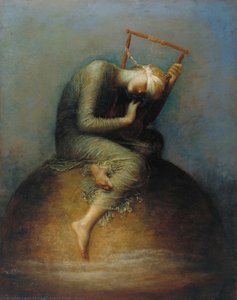
George Frederic Watts' “Eve Tempted,” painted in 1884, isn’t merely a depiction of the biblical Fall; it’s a profound exploration of human desire, vulnerability, and the fraught relationship between innocence and experience. Created during a period when Symbolism was challenging academic realism, Watts eschewed straightforward narrative for a richly layered allegory, inviting viewers to contemplate the complexities of choice and its consequences. The painting immediately draws the eye with its dramatic lighting – a stark contrast between the shadowed depths of the garden and the luminous glow surrounding Eve – suggesting a world poised on the brink of revelation, both alluring and terrifying.
Watts was deeply rooted in the artistic traditions of his time, yet he forged a distinctly personal style. “Eve Tempted” exemplifies this fusion. The composition is heavily influenced by Renaissance painting, particularly Botticelli’s “Primavera,” evident in the graceful pose of Eve and the lush, almost dreamlike quality of the foliage. However, Watts departs from traditional idealism, imbuing the scene with a palpable sense of melancholy and foreboding. His technique is characterized by meticulous detail – observe the intricate folds of Eve's dress, the delicate texture of the fruit, and the subtle variations in color—combined with a masterful use of chiaroscuro (the dramatic contrast between light and dark). The painting’s palette leans towards somber hues: deep greens, browns, and purples dominate, punctuated by the vibrant red of the apple, which acts as a visual focal point, radiating both temptation and danger. Watts' earlier exposure to Elgin Marbles also informed his work, particularly in the idealized forms of the figures.
Beyond the immediate narrative of the Fall, “Eve Tempted” is saturated with symbolic meaning. The garden itself represents Paradise, a state of blissful innocence and harmony. The dog beneath the tree – often interpreted as representing primal instinct or even Satan—watches over the scene, suggesting the ever-present threat to this idyllic existence. Eve’s posture, with one hand shielding her face and the other holding the apple, embodies both shame and defiance. Her nudity isn't presented as overtly sensual but rather as a symbol of vulnerability and exposure – she is stripped bare not just physically, but emotionally and spiritually. The apple itself is laden with symbolism: it represents knowledge, transgression, and the potential for both enlightenment and destruction. The surrounding flowers—particularly lilies, associated with purity—are subtly corrupted by the presence of the forbidden fruit, hinting at the irreversible nature of Eve’s choice.
“Eve Tempted” is more than just a biblical illustration; it's a powerful depiction of Victorian sensibilities – a period characterized by intense introspection, moral anxieties, and a fascination with hidden emotions. Watts was deeply concerned with the psychological complexities of his subjects, and this painting reflects that preoccupation. The scene evokes a sense of quiet desperation, capturing the moment before the irrevocable fall. It’s a poignant meditation on human nature, exploring themes of temptation, guilt, and the enduring struggle between good and evil. The painting's emotional resonance continues to captivate viewers today, offering a timeless reflection on the choices we make and their lasting consequences. The work speaks to the universal experience of confronting difficult truths and navigating the complexities of our own desires.


1817 - 1904 , Wielka Brytania


Bądź na bieżąco z najnowszymi wiadomościami ze świata sztuki, ekskluzywnymi ofertami i inspiracjami dekoratorskimi.
Opowiedz nam o swoim projekcie, a nasi eksperci przygotują dla Ciebie 3 spersonalizowane propozycje dzieł sztuki.
Przygotujemy dla Ciebie 3 propozycje zupełnie za darmo!


 Podgląd w skali
 Wyślij jako kartkę
 Udostępnij
 Szczegóły dzieła

 Pobierz
 Podobne obiekty
 RTG
RTG Pokaz slajdów
 Rozwiń treść