x

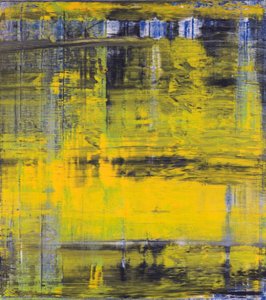
 Abstract Expressionism
 1998
1998 19.0 x 65.0 cm
Kup wysokiej rozdzielczości, ulepszony obraz cyfrowy o znacznie wyższej jakości niż podgląd online.
Każdy plik jest starannie przygotowywany przez naszych specjalistów przy użyciu zaawansowanych narzędzi oraz profesjonalnej, ręcznej retuszy. Dbamy o to, aby każdy obraz cechował się wyjątkową ostrością, precyzyjnym odwzorowaniem kolorów i subtelnymi detalami.
Ostateczny plik dostarczany jest drogą mailową w ciągu 72 godzin, zoptymalizowany do natychmiastowego wykorzystania w profesjonalnych zastosowaniach redakcyjnych i poligraficznych. To ta sama jakość, której ufają czołowe studia projektowe, wydawnictwa oraz galerie sztuki.
Pobierz plik o wysokiej rozdzielczości do osobistego wyświetlania, druku oraz projektów kreatywnych. ( Kup wydruk Kup ręcznie malowany obraz)
Wybierając Most-Famous-Paintings.com, nie otrzymujesz jedynie obrazu – otrzymujesz profesjonalnie udoskonalone cyfrowe dzieło sztuki, stworzone z najwyższą precyzją i objęte gwarancją satysfakcji. Oto wszystko, co automatycznie dołączane jest do Twojego zamówienia:

Plik z obrazem cyfrowym w wysokiej rozdzielczości zostanie przesłany na Twój adres e-mail w ciągu 72 godzin od złożenia zamówienia – gotowy do natychmiastowego użycia.

Twoja grafika została profesjonalnie zoptymalizowana przy użyciu zaawansowanych narzędzi AI oraz ręcznej edycji, co zapewnia maksymalną szczegółowość, klarowność i wierność kolorów.

Przypadkowo usunąłeś lub zgubiłeś swój plik? Bez obaw – prześlemy go Tobie ponownie w dowolnym momencie, bez żadnych opłat.

Ciesz się swoją sztuką natychmiast, bez żadnych opłat celnych, należności ani kosztów dostawy – pliki cyfrowe są zawsze wolne od podatku.

Dzięki zastosowaniu profesjonalnych narzędzi i procesów zarządzania barwą zapewniamy, że Twoje cyfrowe zdjęcie odzwierciedla oryginalne kolory tak wiernie, jak to tylko możliwe.

Jeśli nie będziesz zadowolony ze swojego cyfrowego obrazu, dokonamy jego poprawki lub zwrócimy 100% kosztów w ciągu 60 dni – bez żadnych pytań.

Nie jesteś zadowolony? Otrzymaj pełny zwrot kosztów w ciągu 60 dni od otrzymania pliku cyfrowego – bez zbędnych pytań.

Kup 3 obrazy, oszczędź 10% - Kup 5, oszczędź 15% - Kup 10+, oszczędź 20%. Idealne do projektów kreatywnych, galerii i agencji.

Born Moishe Chagall in Vitebsk, Belarus, on July 7, 1887, Marc Chagall’s life was a vibrant tapestry woven from the threads of Russian Jewish heritage, Parisian artistic innovation, and deeply personal symbolism. His early years were marked by poverty and upheaval – his family moved frequently due to economic hardship and political instability. This itinerant existence instilled in him a profound appreciation for movement and change, themes that would become central to his art. His father, a herring merchant, provided a modest but grounding influence, while his mother’s love of literature and music nurtured his creative spirit. Chagall's artistic journey began modestly, with lessons from a local painter, Jehuda Pen, followed by brief stints in Saint Petersburg academies – experiences that exposed him to the burgeoning avant-garde movements taking shape across Europe.
The pivotal moment arrived in 1911 when he secured a grant to travel to Paris. This marked a dramatic shift in his artistic direction. Immersed in the energy of Montparnasse, he encountered the revolutionary ideas of Fauvism and Cubism, absorbing their bold colors and fragmented perspectives. He quickly established himself within a circle of influential artists – Delaunay, Léger, Soutine, Lipchitz, and writers like Apollinaire and Salmon – forging connections that would profoundly shape his artistic development. His early Parisian works, such as *Golgotha* (1912) and *Homage to Apollinaire* (1912-13), demonstrated a willingness to experiment with new techniques and subject matter, reflecting the dynamism of the era.
Following World War I, Chagall returned to Vitebsk, a city grappling with political turmoil. He married Bella Rosenfeld in 1914, a union that would endure for over fifty years and serve as his primary source of inspiration. Their life together was marked by both joy and tragedy – the birth of their daughter, Ida, followed by the devastating loss of Bella during the Russian Revolution. Despite these hardships, Chagall continued to produce an astonishing volume of work, exploring themes of faith, memory, and the complexities of human relationships. His paintings from this period—*Promenade*, *Over the Town*, and *Apparition*—are characterized by a distinctive style that blended elements of Cubism, Fauvism, and Russian folklore.
The tumultuous years following the Revolution saw Chagall navigating a complex political landscape. Initially supportive of the Bolshevik ideals, he quickly became disillusioned with their authoritarian tendencies. His outspoken criticism led to his dismissal from his positions at the Vitebsk Fine Arts School and as Commissioner of Fine Arts. Forced to flee Russia in 1922, he sought refuge in Berlin, where he found renewed recognition through the efforts of art dealer Ambroise Vollard. This period witnessed a shift towards greater emotional intensity and a deepening engagement with religious iconography.
Chagall’s return to Paris in 1923 marked a significant chapter in his artistic evolution. He established a studio in Montparnasse, surrounded by fellow artists and writers, and continued to develop his unique visual language. His work during this period—including the iconic *I and the Village* (1916-17)—became increasingly infused with personal symbolism, drawing upon Jewish mythology, folklore, and memories of his childhood in Vitebsk. The recurring motifs of water, flight, and family – particularly Bella – emerged as powerful symbols within his oeuvre.
The 1930s saw Chagall experimenting with printmaking, notably his *Miserere* series (1925-1937), a deeply moving exploration of human suffering and redemption. These lithographs, commissioned by Ambroise Vollard, are considered among the most significant works of his career, showcasing his mastery of line, composition, and emotional expression. During this time he also began to incorporate elements of Surrealism into his work, reflecting the growing influence of psychoanalytic theory.
Marc Chagall died in 1983 at the age of 96, leaving behind a vast and profoundly influential body of work. His paintings are celebrated for their vibrant colors, dreamlike imagery, and deeply personal symbolism. He remains one of the most beloved artists of the 20th century, admired for his ability to capture the essence of human experience with both grace and power. His art continues to resonate with audiences worldwide, inviting us to enter a world of imagination, faith, and enduring beauty. His work is held in major museums around the globe, including the Museum of Modern Art (MoMA) in New York, the Centre Pompidou in Paris, and the State Russian Museum in Saint Petersburg.

1914 - 2007


Bądź na bieżąco z najnowszymi wiadomościami ze świata sztuki, ekskluzywnymi ofertami i inspiracjami dekoratorskimi.
Opowiedz nam o swoim projekcie, a nasi eksperci przygotują dla Ciebie 3 spersonalizowane propozycje dzieł sztuki.
Przygotujemy dla Ciebie 3 propozycje zupełnie za darmo!


 Podgląd w skali
 Wyślij jako kartkę
 Udostępnij
 Szczegóły dzieła

 Pobierz
 Podobne obiekty
 RTG
RTG Pokaz slajdów
 Rozwiń treść