x


 Preview
 Zamów reprodukcję Kup cyfrowy obraz
 Udostępnij
 Szczegóły dzieła
 Dodaj do ulubionych
 Pobierz
 Podobne obiekty
 RTG
RTG
 Pokaz slajdów
 Oil On PanelEarly Netherlandish Renaissance
 1490
1490 88.0 x 56.0 cm
 Muzeum Thyssen-Bornemisza
Druk giclée lub płótno o jakości muzealnej z szybką realizacją i szerokim wyborem opcji wykończenia.





























Wybierz spośród naszych predefiniowanych rozmiarów, które zachowują oryginalne proporcje dzieła sztuki.

Możesz wprowadzić własne wymiary, aby dopasować dzieło do konkretnej ramy lub przestrzeni. Jeśli wybrany rozmiar nie będzie odpowiadał proporcjom oryginalnego obrazu, przytniecie dzieło lub rozszerzymy obraz za pomocą odbicia lustrzanego lub jednolitego wypełnienia krawędzi. Przed rozpoczęciem produkcji prześlemy cyfrową wizualizację do Twojej akceptacji.
Prosimy pamiętać, że podgląd na ekranie nie odzwierciedla faktycznego przycinania ani rozszerzania. Tylko wizualizacja dokładnie pokaże końcową kompozycję.
Mimo dostępności niestandardowych rozmiarów, zalecamy wybór wymiaru z listy zdefiniowanej, aby zachować oryginalne proporcje.
Dostawa na cały świat () w ciągu 2 tygodni zamiast standardowych 4/5 tygodni. (24 Lipiec)


Crucifixion
Wymiary reprodukcji
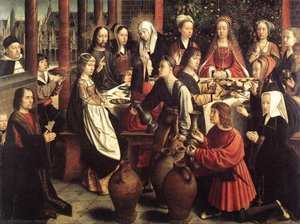
Gerard David's "Crucifixion," painted around 1490, isn’t merely a depiction of a pivotal biblical event; it’s an immersive experience—a profound meditation on sacrifice, sorrow, and the enduring promise of redemption. This oil-on-panel masterpiece, now housed within the Metropolitan Museum of Art in New York, stands as a testament to David's mastery of color, composition, and his ability to infuse religious iconography with a deeply human sensibility. Unlike many depictions of Christ’s suffering that emphasize dramatic violence, David presents a scene imbued with quiet contemplation, inviting viewers into a space of solemn reverence.
The painting immediately draws the eye to the central figure of Jesus, suspended on the cross. His posture is not one of agonizing struggle, but rather of serene acceptance—a subtle shift in perspective that speaks volumes about David’s artistic vision. Below him unfolds a carefully orchestrated tableau: Mary, her face etched with grief, kneels in mourning; John the Apostle stands as a witness, his expression a blend of sorrow and devotion; and a gathering of townspeople, rendered with remarkable realism, observe the event with varying degrees of shock and despair. The inclusion of Saint Jerome, identifiable by his beard and scroll, adds another layer of symbolic depth, suggesting the painting’s genesis from scripture—a visual interpretation of the Gospel narrative.
David's genius lies not only in his compositional skill but also in his masterful manipulation of color. He employs a restrained palette dominated by earthy tones – ochres, browns, and muted reds – creating an atmosphere of somber dignity. However, within this subdued range, he introduces subtle shifts in hue that draw the eye and heighten emotional impact. The stark white of Christ’s garments provides a striking contrast against the dark background, emphasizing his vulnerability and sacrifice. The use of gold leaf accents—particularly around the central figure—adds a touch of sacred radiance, elevating the scene to a realm of spiritual significance.
Technically, David demonstrates an exceptional understanding of oil paint. The application is meticulous, layering colors to achieve rich textures and subtle gradations of tone. The smooth surfaces belie the painstaking effort involved, while the carefully rendered fabric folds and rougher textures in the landscape—a rolling vista with a distant city—suggest a deep engagement with the natural world. Perspective is relatively shallow, characteristic of the period, prioritizing emotional impact over strict adherence to linear perspective rules. This choice contributes to the painting’s intimate and immersive quality.
“Crucifixion” reflects the artistic currents of the Early Netherlandish Renaissance—a movement characterized by a meticulous attention to detail, a profound interest in realism, and a sophisticated understanding of symbolism. David’s work builds upon the traditions of artists like Hans Memling, while simultaneously pushing boundaries through his innovative use of color and composition. The inclusion of Saint Jerome, for example, is a deliberate reference to the biblical text, inviting viewers to contemplate the theological implications of Christ's sacrifice.
Furthermore, the painting embodies the Renaissance humanist interest in portraying human emotion with honesty and depth. David doesn’t shy away from depicting the sorrow and grief experienced by those present at the crucifixion—a departure from earlier depictions that often focused solely on the spectacle of the event. This emphasis on human experience elevates “Crucifixion” beyond a mere historical illustration, transforming it into a powerful meditation on faith, suffering, and redemption. It’s a work that continues to resonate with viewers centuries after its creation, offering a timeless glimpse into the complexities of the human condition.


1450 - 1523 , Holandia
Odkryj 10 arcydzieł renesansu wczesnego! Poznaj historie Leonarda da Vinci, Michała Anioła i Botticellego. Reprodukcje obrazów najwyższej jakości – inspiracje dla Twojego wnętrza na Most-Famous-Paintings.com.

Odkryj 25 arcydzieł Metropolitańskiego Muzeum Sztuki! Van Gogh, Monet, Renoir i inni – historie artystów, techniki i inspiracje dla Twojego wnętrza. Reprodukcje najwyższej jakości na Most-Famous-Paintings.com. Eksploruj kolekcję online!
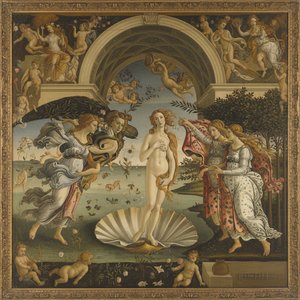
Odkryj 25 arcydzieł Sandro Botticellego! Poznaj historię 'Narodzin Wenus', 'Primavery' i innych ikonicznych obrazów renesansu włoskiego. Reprodukcje najwyższej jakości, inspiracje do wnętrz – Most-Famous-Paintings.com

Odkryj 10 arcydzieł wczesnego renesansu niderlandzkiego! Poznaj historie van Eycka, Rogiera van der Weydena i innych mistrzów. Reprodukcje obrazów najwyższej jakości dla Twojego wnętrza – Most-Famous-Paintings.com

Odkryj 10 arcydzieł renesansu, które uosabiają humanizm! Poznaj historie Leonarda da Vinci, Michała Anioła i Rafaela. Inspiracje wnętrzarskie & reprodukcje obrazów najwyższej jakości na Most-Famous-Paintings.com. Eksploruj kolekcję online!


Bądź na bieżąco z najnowszymi wiadomościami ze świata sztuki, ekskluzywnymi ofertami i inspiracjami dekoratorskimi.
Opowiedz nam o swoim projekcie, a nasi eksperci od sztuki przygotują dla Ciebie 3 spersonalizowane propozycje dzieł sztuki.
Pozwól nam przygotować 3 propozycje specjalnie dla Ciebie – za darmo!


 Udostępnij

 Rozwiń treść







 Opcja szkła jest dostępna wyłącznie w rozmiarach poniżej 110 cm


![The Saint Anne Altarpiece: Saint Anne With The Virgin And Child [middle Panel] — Gerard David, Northern Renaissance](/media/artworks/images/thumbnails/e2/1c/e21ca3303d454e04bcb9bea47ca89561.jpg)