x

Kup wysokiej rozdzielczości, ulepszony obraz cyfrowy o znacznie wyższej jakości niż podgląd online.
Każdy plik jest starannie przygotowywany przez naszych specjalistów przy użyciu zaawansowanych narzędzi oraz profesjonalnej, ręcznej retuszy. Dbamy o to, aby każdy obraz cechował się wyjątkową ostrością, precyzyjnym odwzorowaniem kolorów i subtelnymi detalami.
Ostateczny plik dostarczany jest drogą mailową w ciągu 72 godzin, zoptymalizowany do natychmiastowego wykorzystania w profesjonalnych zastosowaniach redakcyjnych i poligraficznych. To ta sama jakość, której ufają czołowe studia projektowe, wydawnictwa oraz galerie sztuki.
Pobierz plik o wysokiej rozdzielczości do osobistego wyświetlania, druku oraz projektów kreatywnych. ( Zamów wydruk Zamów ręcznie malowaną reprodukcję)
Wybierając Most-Famous-Paintings.com, nie otrzymujesz jedynie obrazu – otrzymujesz profesjonalnie udoskonalone cyfrowe dzieło sztuki, stworzone z najwyższą precyzją i objęte gwarancją satysfakcji. Oto wszystko, co automatycznie dołączane jest do Twojego zamówienia:

Plik z obrazem cyfrowym w wysokiej rozdzielczości zostanie przesłany na Twój adres e-mail w ciągu 72 godzin od złożenia zamówienia – gotowy do natychmiastowego użycia.

Twoja grafika została profesjonalnie zoptymalizowana przy użyciu zaawansowanych narzędzi AI oraz ręcznej edycji, co zapewnia maksymalną szczegółowość, klarowność i wierność kolorów.

Przypadkowo usunąłeś lub zgubiłeś swój plik? Bez obaw – prześlemy go Tobie ponownie w dowolnym momencie, bez żadnych opłat.

Ciesz się swoją sztuką natychmiast, bez żadnych opłat celnych, należności ani kosztów dostawy – pliki cyfrowe są zawsze wolne od podatku.

Dzięki zastosowaniu profesjonalnych narzędzi i procesów zarządzania barwą zapewniamy, że Twoje cyfrowe zdjęcie odzwierciedla oryginalne kolory tak wiernie, jak to tylko możliwe.

Jeśli nie będziesz zadowolony ze swojego cyfrowego obrazu, dokonamy jego poprawki lub zwrócimy 100% kosztów w ciągu 60 dni – bez żadnych pytań.

Nie jesteś zadowolony? Otrzymaj pełny zwrot kosztów w ciągu 60 dni od otrzymania pliku cyfrowego – bez zbędnych pytań.

Kup 3 obrazy, oszczędź 10% - Kup 5, oszczędź 15% - Kup 10+, oszczędź 20%. Idealne do projektów kreatywnych, galerii i agencji.
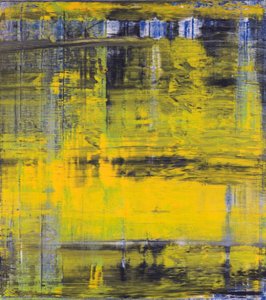
Gerhard Richter's "Untitled (167)," a seemingly simple black and white photograph of a woman nursing her child, is far more than a portrait; it’s a profound exploration of memory, time, and the inherent ambiguity of representation. Created in an era deeply marked by division – Richter’s childhood unfolded under the shadow of post-war Germany and the subsequent rise of authoritarianism – the work speaks to a persistent sense of uncertainty and a questioning spirit that would become hallmarks of his artistic practice. This photograph, created around 1989, captures a tender yet subtly unsettling moment, inviting viewers to contemplate the fragility of human connection and the elusive nature of recollection.
Richter’s approach is characteristic of his broader oeuvre: he masterfully employs techniques borrowed from both photography and painting. The image itself isn't a direct reproduction but rather an interpretation, a distillation of memory through the lens of the camera. Richter frequently worked with photographs, often creating multiple versions of the same subject – a technique that highlights the subjective nature of visual perception. Here, he’s not simply documenting reality; he’s constructing a narrative, layering meaning onto a seemingly straightforward scene. The stark black and white palette further emphasizes this process, stripping away extraneous detail and focusing attention on form, texture, and the emotional weight of the figures.
A key element of Richter’s work – and particularly evident in “Untitled (167)” – is his use of absence. The background figures are deliberately vague, their identities obscured by distance and shadow. This deliberate lack of specificity forces the viewer to actively participate in constructing the scene, filling in the gaps with their own memories and associations. The woman’s gaze, fixed intently on her child, is both loving and distant, suggesting a complex mix of emotions – perhaps nostalgia, worry, or simply the quiet contemplation that accompanies motherhood. The baby's proximity to her chest isn’t merely a depiction of physical closeness; it symbolizes nourishment, protection, and the continuity of life.
Richter’s technique is deceptively simple. He utilizes a soft focus, characteristic of his ‘photorealistic’ period, lending the image an almost dreamlike quality. The subtle gradations of tone create a sense of depth and atmosphere, while the slightly blurred edges contribute to the feeling that we are glimpsing a memory rather than witnessing a concrete event. This blurring is not a flaw but a deliberate artistic choice, mirroring the imperfect nature of recollection itself – how memories fade, shift, and ultimately become reconstructions.
“Untitled (167)” was created during a period when Gerhard Richter's work began to be recognized for its exploration of the complexities of post-war Germany. His style, often described as “Capitalist Realism,” reflected the societal shifts and anxieties of the time. This approach involved creating paintings that mimicked the appearance of photographs but lacked their inherent truthfulness – a deliberate commentary on the increasing reliance on media and the manipulation of reality. The photograph’s quiet intimacy contrasts sharply with the grand narratives often associated with historical art, suggesting a focus on the individual experience within a broader context of societal change.
Richter's work during this period was deeply influenced by his personal history – his childhood experiences under Nazi rule and the subsequent division of Germany. The photograph’s sense of vulnerability and uncertainty can be interpreted as a reflection of this historical trauma, a quiet acknowledgment of the enduring impact of past events on the present.
Despite its subtle complexities, “Untitled (167)” ultimately offers a profoundly moving portrayal of human connection. The image transcends specific details and speaks to universal themes of love, care, and the passage of time. It’s a reminder that even in moments of quiet intimacy, there is always an element of mystery and ambiguity. Richter's masterful use of light, shadow, and composition creates a work that is both visually arresting and emotionally resonant – a testament to his enduring legacy as one of the most important artists of our time.

1932 - , Niemcy


Bądź na bieżąco z najnowszymi wiadomościami ze świata sztuki, ekskluzywnymi ofertami i inspiracjami dekoratorskimi.
Opowiedz nam o swoim projekcie, a nasi eksperci przygotują dla Ciebie 3 spersonalizowane propozycje dzieł sztuki.
Przygotujemy dla Ciebie 3 propozycje zupełnie za darmo!


 Podgląd w skali
 Wyślij jako kartkę
 Udostępnij
 Szczegóły dzieła

 Pobierz
 Podobne obiekty
 RTG
RTG Pokaz slajdów
 Rozwiń treść