x

Druk giclée lub płótno o jakości muzealnej, szybka realizacja i szeroki wybór opcji wykończenia. ( Zamów ręcznie malowaną reprodukcję Kup obraz wysokiej rozdzielczości)





























Wybierz spośród naszych standardowych rozmiarów, które zachowują oryginalne proporcje dzieła sztuki.

Możesz wprowadzić własne wymiary, aby dopasować dzieło do konkretnej ramy lub przestrzeni. Jeśli wybrany rozmiar nie będzie odpowiadał proporcjom oryginalnego obrazu, przytniecie dzieło lub rozszerzymy obraz za pomocą odbicia lustrzanego lub jednolitego wypełnienia krawędzi. Przed rozpoczęciem produkcji prześlemy cyfrową wizualizację do Twojej akceptacji.
Prosimy pamiętać, że podgląd na ekranie nie odzwierciedla faktycznego przycinania ani rozszerzania. Tylko wizualizacja dokładnie pokaże końcową kompozycję.
Mimo dostępności niestandardowych rozmiarów, zalecamy wybór wymiaru z listy zdefiniowanej, aby zachować oryginalne proporcje.
Dostawa na cały świat () w ciągu 2 tygodni zamiast standardowych 4/5 tygodni. (15 Sierpień)


Birds
Wymiary reprodukcji
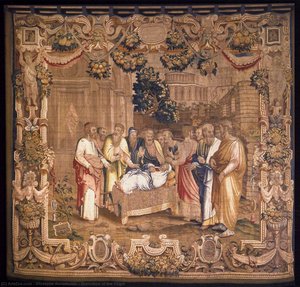
Giuseppe Arcimboldo's “Birds,” painted around 1591, isn’t merely a portrait; it’s an immersive experience. Within the confines of a single canvas, the artist constructs a vibrant tableau of nature—a solitary heron poised upon a moss-covered rock—that transcends the limitations of traditional representation. The watercolor technique, with its layered washes and subtle blurring, evokes the very essence of feathers and water, creating a tactile illusion that draws the viewer into the scene. It’s a piece that whispers of observation, patience, and a deep connection to the natural world – qualities often associated with the heron itself.
Image Credit: Web Gallery of Art
Arcimboldo’s “Birds” stands as a quintessential example of Mannerism, an artistic movement that flourished in Italy during the late 16th century. Unlike the idealized forms and balanced compositions of High Renaissance art, Mannerism embraced exaggeration, distortion, and a heightened sense of drama. Here, we see this reflected in the heron’s posture – a deliberate verticality that commands attention—and the carefully arranged elements surrounding it. The piece is deeply rooted in the Renaissance worldview, particularly its fascination with symbolism and allegory. Arcimboldo's work was commissioned by Rudolf II, Holy Roman Emperor, who was known for his patronage of the arts and his interest in collecting exotic objects and animals.
The choice of a heron itself carries significant weight within this context. Herons are frequently associated with patience, observation, and a connection to nature—qualities highly valued by Renaissance scholars and artists. Furthermore, the inclusion of elements like the rock, suggesting stability and permanence, reinforces the sense of timelessness inherent in the artwork.
Beyond its aesthetic qualities, “Birds” is a complex tapestry of symbolism. The meticulously arranged fruits, vegetables, and flowers aren’t simply decorative; they function as visual metaphors. The careful selection of each element—the muted beige background, the textured rock—contributes to a larger narrative about power, nature, and the human condition. Considering that Arcimboldo created this piece for Rudolf II, it's crucial to understand the emperor's courtly environment. Rudolf II was known for his extravagant tastes and his collection of rare objects, which served as a display of wealth and influence. The inclusion of elements like the peacock—a symbol of royalty—and the carefully constructed composition itself underscore this imperial context.
“Birds” endures not just as a technical marvel but also as a profound meditation on the relationship between humanity and nature. The soft, diffused lighting and the lack of strong perspective create an atmosphere of serenity and contemplation. The piece invites us to slow down, observe, and appreciate the beauty of the natural world—a sentiment that resonates deeply in our increasingly complex and fast-paced lives. Reproductions of this artwork offer a remarkable opportunity to bring this timeless masterpiece into your home, allowing you to experience its captivating symbolism and exquisite detail every day.

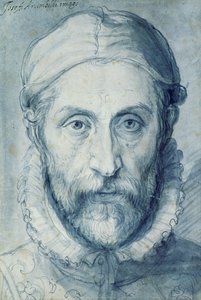
1527 - 1593 , Włochy

Explore the profound history and technical mastery of watercolor painting. From medieval manuscripts to the luminous works of John Singer Sargent, discover how artists capture light and transparency through this delicate, enduring medium.

Explore the dramatic world of Italian Baroque art. Discover how masters like Caravaggio used chiaroscuro and tenebrism to revolutionize painting through light, shadow, and profound realism. A definitive guide for history lovers and art collectors.


Bądź na bieżąco z najnowszymi wiadomościami ze świata sztuki, ekskluzywnymi ofertami i inspiracjami dekoratorskimi.
Opowiedz nam o swoim projekcie, a nasi eksperci przygotują dla Ciebie 3 spersonalizowane propozycje dzieł sztuki.
Przygotujemy dla Ciebie 3 propozycje zupełnie za darmo!


 Podgląd w skali
 Wyślij jako kartkę
 Udostępnij
 Szczegóły dzieła

 Pobierz
 Podobne obiekty
 RTG
RTG Pokaz slajdów

 Rozwiń treść







 Opcja ze szkłem jest dostępna wyłącznie w rozmiarach poniżej 110 cm