x

Druk giclée lub płótno o jakości muzealnej, szybka realizacja i szeroki wybór opcji wykończenia. ( Zamów ręcznie malowaną reprodukcję Kup obraz wysokiej rozdzielczości)





























Wybierz spośród naszych standardowych rozmiarów, które zachowują oryginalne proporcje dzieła sztuki.

Możesz wprowadzić własne wymiary, aby dopasować dzieło do konkretnej ramy lub przestrzeni. Jeśli wybrany rozmiar nie będzie odpowiadał proporcjom oryginalnego obrazu, przytniecie dzieło lub rozszerzymy obraz za pomocą odbicia lustrzanego lub jednolitego wypełnienia krawędzi. Przed rozpoczęciem produkcji prześlemy cyfrową wizualizację do Twojej akceptacji.
Prosimy pamiętać, że podgląd na ekranie nie odzwierciedla faktycznego przycinania ani rozszerzania. Tylko wizualizacja dokładnie pokaże końcową kompozycję.
Mimo dostępności niestandardowych rozmiarów, zalecamy wybór wymiaru z listy zdefiniowanej, aby zachować oryginalne proporcje.
Dostawa na cały świat () w ciągu 2 tygodni zamiast standardowych 4/5 tygodni. (19 Sierpień)


L'Eté
Wymiary reprodukcji
Giuseppe Arcimboldo’s L'Été (Summer), painted around 1573, isn’t merely a still life; it’s an audacious reimagining of the season itself, rendered in a breathtaking explosion of color and meticulously arranged natural elements. This iconic work, now housed within the Louvre Museum in Paris, stands as a testament to Arcimboldo's unparalleled skill in transforming the mundane – fruits, vegetables, herbs – into a remarkably lifelike human portrait. More than just a clever illusion, L’Été is a complex allegory brimming with Renaissance symbolism and a subtle commentary on power, fertility, and the cyclical rhythms of nature.
At first glance, the composition appears chaotic—a dense tapestry of peaches, artichokes, wheat stalks, and countless other botanical treasures. However, closer inspection reveals an astonishingly deliberate arrangement. Arcimboldo masterfully manipulated the edges of each element to create implied lines that subtly suggest facial features: a gentle curve mimicking a smile, the pointed form of a nose, and the suggestion of eyes within the shadowed recesses of a leafy border. The absence of traditional perspective—the flattening of space—further enhances the surreal quality, drawing the viewer into this vibrant, almost dreamlike world.
Arcimboldo’s technique was nothing short of extraordinary. He likely employed oil paint on a wood panel, meticulously layering pigments to achieve the rich textures and luminous colors that characterize the work. The fruits and vegetables themselves were not simply painted; they were carefully selected for their form, color, and texture – a smooth peach juxtaposed against the rough surface of an artichoke, the grainy grain of wheat creating a sense of volume. This deliberate attention to detail elevates the piece beyond a simple still life, transforming it into a sculptural composition.
The choice of materials is integral to the artwork’s impact. Arcimboldo didn't rely on artificial pigments; he harnessed the natural hues of his subjects – the vibrant reds and yellows of ripe fruits, the earthy browns of vegetables – creating an authentic and deeply resonant visual experience. The inclusion of herbs and flowers further reinforces the connection to nature, grounding the fantastical portrait in a tangible reality.
L’Été is steeped in symbolism, reflecting the intellectual currents of the Renaissance. Arcimboldo frequently used his composite portraits to subtly satirize or comment on contemporary figures, often employing allegorical representations of power, wealth, and morality. In this instance, the abundance of fruits and vegetables speaks directly to themes of fertility, prosperity, and the cyclical nature of seasons – all vital concepts within the Renaissance worldview.
The portrait’s resemblance to a bust-length human face is not accidental. Arcimboldo was deeply influenced by Neo-Platonism, which sought to reconcile classical philosophy with Christian theology. He believed that beauty resided in the harmony and proportion of nature, and his portraits were intended to evoke this sense of balance and order. The arrangement of elements within L’Été mirrors this philosophical ideal – a carefully constructed microcosm reflecting the larger universe.
Beyond its technical brilliance and symbolic richness, L'Été possesses a profound emotional impact. It evokes a sense of abundance, joy, and the fleeting beauty of summer’s bounty. The sheer density of color and form creates a feeling of immersion, transporting the viewer to a vibrant garden overflowing with life. Arcimboldo’s ability to transform ordinary objects into extraordinary works of art speaks to his genius as a visual storyteller – a master of illusion who invites us to see the world in a new and imaginative light.
Most-Famous-Paintings offers meticulously crafted, hand-painted reproductions of L'Été, allowing you to bring this iconic masterpiece into your home or office. Experience the artistry and symbolism of Arcimboldo’s vision firsthand – a timeless testament to the power of imagination and the beauty of nature.

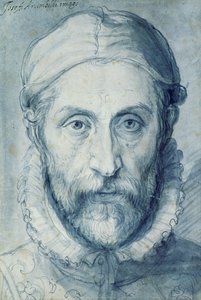
1527 - 1593 , Włochy

Explore the dramatic world of Italian Baroque art. Discover how masters like Caravaggio used chiaroscuro and tenebrism to revolutionize painting through light, shadow, and profound realism. A definitive guide for history lovers and art collectors.


Bądź na bieżąco z najnowszymi wiadomościami ze świata sztuki, ekskluzywnymi ofertami i inspiracjami dekoratorskimi.
Opowiedz nam o swoim projekcie, a nasi eksperci przygotują dla Ciebie 3 spersonalizowane propozycje dzieł sztuki.
Przygotujemy dla Ciebie 3 propozycje zupełnie za darmo!


 Podgląd w skali
 Wyślij jako kartkę
 Udostępnij
 Szczegóły dzieła

 Pobierz
 Podobne obiekty
 RTG
RTG Pokaz slajdów

 Rozwiń treść







 Opcja ze szkłem jest dostępna wyłącznie w rozmiarach poniżej 110 cm