Sprzedawaj swoją sztukę
Lista życzeń Koszyk zakupowy Cart
Podgląd w skaliPodgląd w skali Podgląd ARPodgląd AR Zamów wydruk Zamów wydrukKup obraz wysokiej rozdzielczości Kup obraz wysokiej rozdzielczości Wyślij jako kartkęWyślij jako kartkę
Szczegóły dziełaSzczegóły dzieła Dodaj do ulubionych Dodaj do ulubionych PobierzPobierz Podobne obiektyPodobne obiekty RTGRTG Pokaz slajdówPokaz slajdów

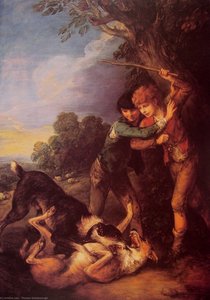
Winter

Explore the frescoes & landscapes of Giuseppe Bernardino Bison (1762-1844), an Italian painter known for his vedute, capriccios, and collaborations in Venice & Trieste.

Ręcznie malowana reprodukcja olejowa

Ręcznie malowany obraz olejny na płótnie, wykonany na zamówienie przez naszych artystów w wybranym przez Ciebie wymiarze i oprawie. (Zamów wydruk Zamów wydrukKup obraz wysokiej rozdzielczości Kup obraz wysokiej rozdzielczości)

Standard
custom
CM
INCH

Wybierz spośród naszych standardowych rozmiarów, które zachowują oryginalne proporcje dzieła sztuki.

szerokość
wysokość

Możesz wprowadzić własne wymiary, aby dopasować obraz do konkretnej ramy lub przestrzeni. Jeśli wybrany rozmiar nie będzie odpowiadał proporcjom oryginału, przytniecie dzieło sztuki lub rozszerzymy je o dodatkowe elementy, ręcznie domalowane przez artystę. Przed rozpoczęciem produkcji wyślemy projekt cyfrowy do Twojej akceptacji.
Należy pamiętać, że podgląd na ekranie nie odzwierciedla rzeczywistego przycinania ani rozszerzania obrazu. Tylko projekt dokładnie pokaże ostateczną kompozycję.
Choć oferujemy możliwość zamówienia niestandardowych rozmiarów, zalecamy wybór wymiaru z gotowej listy, aby zachować oryginalne proporcje dzieła.

Przykłady możliwych zmian: Zamień twarz na zdjęcie klienta; Dodaj zwierzę domowe (np. zamień kota na psa); Ukryj wiadomość w tle; Zmień krajobraz lub elementy tła.
Po złożeniu zamówienia zespół Most-Famous-Paintings.com skontaktuje się z klientem drogą mailową w celu uzyskania instrukcji i prześle wizualizację projektu

Dostawa na całym świecie () w ciągu 3–4 tygodni zamiast standardowych 5 tygodni. (14 Sierpień). Bez kompromisów w kwestii jakości.

why_choose_icon
Bezpłatna ekspresowa wysyłka na cały świat
why_choose_icon
Wysokiej jakości płótno lniane
why_choose_icon
Pełne ubezpieczenie przesyłki
why_choose_icon
Gwarancja zwrotu należności celnych i podatków importowych
why_choose_icon
Gwarancja wiernego odwzorowania kolorów
why_choose_icon
Polityka 60-dniowego zwrotu (tylko w przypadku wad)
why_choose_icon
Gwarancja 100% zwrotu kosztów
why_choose_icon
Zniżka przy zamówieniu wielu produktów

Suma całkowita

$ 272

reproduction

Winter

Technika reprodukcji

Wymiary reprodukcji

-

Cena całkowita

$ 272


O artyście

Johann Georg Bergmüller: A Master of Augsburg’s Frescoes

Johann Georg Bergmüller, born in Türkheim in 1762 and passing away in Augsburg in 1762, stands as a pivotal figure in the history of German Baroque art, particularly renowned for his contributions to fresco painting. His life was inextricably linked to the artistic landscape of Augsburg, where he not only honed his craft but also shaped the training of generations of artists. Bergmüller’s journey began humbly, apprenticed to the court painter Johann Andreas Wolff in Munich, a formative experience that exposed him to the burgeoning artistic trends of the era. However, it was his relocation to Augsburg and subsequent appointment as director of the Imperial City Academy that cemented his legacy.

Early Life and Artistic Foundations

Bergmüller’s early education wasn't confined to formal training; his father, a skilled cabinet maker, instilled in him an appreciation for craftsmanship and meticulous detail – qualities that would later translate into his remarkable frescoes. His time in the Netherlands broadened his artistic horizons, exposing him to diverse styles and techniques prevalent throughout Europe. This exposure proved invaluable as he returned to Augsburg, bringing with him a refined understanding of composition and color theory. He quickly established himself as a respected artist, earning commissions for numerous churches and civic buildings within the city. His dedication extended beyond mere execution; Bergmüller was deeply invested in establishing a rigorous artistic education, culminating in the publication of *Anthropometria* in 1723 – a seminal text on the principles of proportion and perspective that served as a cornerstone for aspiring artists.

Notable Works and Artistic Style

Bergmüller’s frescoes are characterized by their dynamic narratives, masterful use of light and shadow, and remarkably detailed depictions of figures and architectural elements. He frequently drew inspiration from religious themes, imbuing his works with a profound sense of spirituality. His work in Ochsenhausen Abbey, for instance, showcases a dramatic scene depicting the martyrdom of Saint Cyprinus, while the frescoes at Steingaden Abbey offer a serene portrayal of the Virgin Mary holding the infant Jesus. The meticulous attention to detail evident in these pieces—from the folds of drapery to the expressions on the faces of the figures—demonstrates Bergmüller’s exceptional technical skill and his commitment to realism. His style, influenced by both Italian Baroque masters and contemporary trends, combined a sense of theatricality with a deep understanding of human anatomy and perspective.

Influence and Legacy

Bergmüller's impact on the artistic community of Augsburg was profound. He not only served as a mentor to numerous talented students – including Johann Georg Wolcker, Gottfried Bernhard Göz, and Johann Evangelist Holzer – but also established a systematic approach to fresco painting that emphasized both technical proficiency and artistic expression. His pupils went on to execute significant works throughout Bavaria and beyond, ensuring the continuation of his stylistic legacy. Furthermore, Bergmüller’s dedication to documenting and disseminating knowledge about art through publications like *Anthropometria* contributed significantly to the development of artistic theory in Germany. He helped establish a framework for understanding proportion, perspective, and composition that would influence generations of artists.

A Forgotten Master

Despite his considerable contributions to the world of art, Bergmüller’s work has often been overshadowed by more celebrated contemporaries. Many of his frescoes have suffered damage or deterioration over time, diminishing their visual impact. However, ongoing research and conservation efforts are gradually revealing the full extent of his artistic achievements, solidifying his position as a significant figure in the history of Baroque art and a vital voice within Augsburg’s vibrant artistic community. His legacy continues to inspire artists and scholars alike, reminding us of the enduring power of fresco painting and the importance of preserving the artistic heritage of Germany.
giuseppe bernardino bison

giuseppe bernardino bison

1762 - 1844 , Italy

Krótka nota

  • Artistic Movement Or Style: Baroque Fresco Painter
  • Artists Or Movements Influenced By This Artist:
    • Johann Georg Wolcker
    • Gottfried Bernhard Göz
  • Artists Who Influenced This Artist: ['Johann Andreas Wolff']
  • Date Of Birth: 1762
  • Date Of Death: 1762
  • Full Name: Johann Georg Bergmüller
  • Nationality: German
  • Notable Artworks:
    • Ochsenhausen Abbey
    • Steingaden Abbey
  • Place Of Birth: Türkheim, Bavaria