
Sprzedawaj swoją sztukę
Lista życzeń Koszyk zakupowy Cart
Podgląd w skaliPodgląd w skali Podgląd ARPodgląd AR Zamów wydruk Zamów wydrukKup obraz wysokiej rozdzielczości Kup obraz wysokiej rozdzielczości Wyślij jako kartkęWyślij jako kartkę
Szczegóły dziełaSzczegóły dzieła Dodaj do ulubionych Dodaj do ulubionych PobierzPobierz Podobne obiektyPodobne obiekty RTGRTG Pokaz slajdówPokaz slajdów

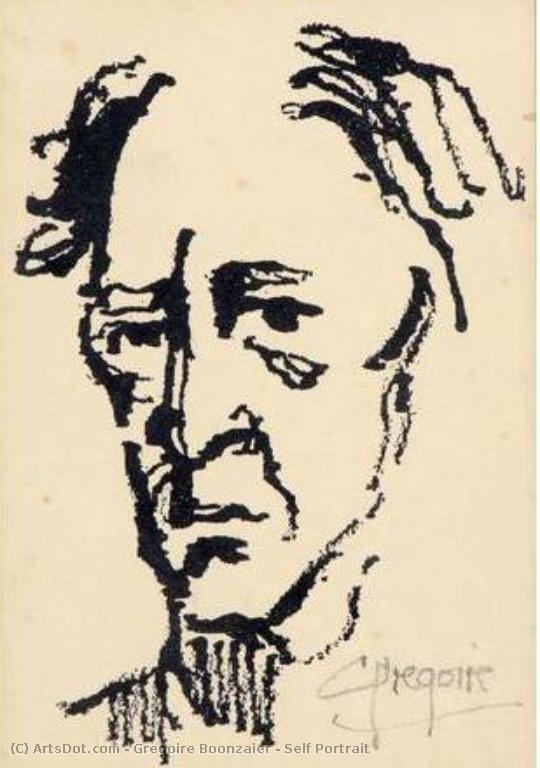
Self Portrait

Explore the art of Gregoire Boonzaier (1909-2005), a South African master known for Cape Impressionism landscapes, portraits & still lifes. Discover his contribution to anti-apartheid activism through vibrant paintings.

Ręcznie malowana reprodukcja olejowa

Ręcznie malowany obraz olejny na płótnie, wykonany na zamówienie przez naszych artystów w wybranym przez Ciebie wymiarze i oprawie. (Zamów wydruk Zamów wydrukKup obraz wysokiej rozdzielczości Kup obraz wysokiej rozdzielczości)

Standard
custom
CM
INCH

Wybierz spośród naszych standardowych rozmiarów, które zachowują oryginalne proporcje dzieła sztuki.

szerokość
wysokość

Możesz wprowadzić własne wymiary, aby dopasować obraz do konkretnej ramy lub przestrzeni. Jeśli wybrany rozmiar nie będzie odpowiadał proporcjom oryginału, przytniecie dzieło sztuki lub rozszerzymy je o dodatkowe elementy, ręcznie domalowane przez artystę. Przed rozpoczęciem produkcji wyślemy projekt cyfrowy do Twojej akceptacji.
Należy pamiętać, że podgląd na ekranie nie odzwierciedla rzeczywistego przycinania ani rozszerzania obrazu. Tylko projekt dokładnie pokaże ostateczną kompozycję.
Choć oferujemy możliwość zamówienia niestandardowych rozmiarów, zalecamy wybór wymiaru z gotowej listy, aby zachować oryginalne proporcje dzieła.

Przykłady możliwych zmian: Zamień twarz na zdjęcie klienta; Dodaj zwierzę domowe (np. zamień kota na psa); Ukryj wiadomość w tle; Zmień krajobraz lub elementy tła.
Po złożeniu zamówienia zespół Most-Famous-Paintings.com skontaktuje się z klientem drogą mailową w celu uzyskania instrukcji i prześle wizualizację projektu

Dostawa na całym świecie () w ciągu 3–4 tygodni zamiast standardowych 5 tygodni. (16 Sierpień). Bez kompromisów w kwestii jakości.

why_choose_icon
Bezpłatna ekspresowa wysyłka na cały świat
why_choose_icon
Wysokiej jakości płótno lniane
why_choose_icon
Pełne ubezpieczenie przesyłki
why_choose_icon
Gwarancja zwrotu należności celnych i podatków importowych
why_choose_icon
Gwarancja wiernego odwzorowania kolorów
why_choose_icon
Polityka 60-dniowego zwrotu (tylko w przypadku wad)
why_choose_icon
Gwarancja 100% zwrotu kosztów
why_choose_icon
Zniżka przy zamówieniu wielu produktów

Suma całkowita

$ 272

reproduction

Self Portrait

Technika reprodukcji

Wymiary reprodukcji

-

Cena całkowita

$ 272


O artyście

Gregoire Boonzaier: A Cape Impressionist Witness

Gregoire Johannes Boonzaier (1909-2005) stands as a pivotal figure in South African art, a painter whose vibrant landscapes and poignant portraits not only captured the beauty of his homeland but also served as a visual chronicle of its turbulent history. Born in Newlands, Cape Town, into a family deeply rooted in artistic expression – his father, D.C. Boonzaier, was a renowned political cartoonist – Gregoire’s early life was inextricably linked to the world of art. Unlike his father's formal training, Gregoire benefited from close mentorship and exposure to influential artists like Pieter Wenning, Nita Spilhaus, Moses Kottler, and Anton van Wouw, shaping his artistic sensibilities from a remarkably young age. This formative environment instilled in him a deep appreciation for observation, color, and the evocative power of light – qualities that would become hallmarks of his distinctive style.

Early Influences and Artistic Development

Boonzaier’s formal art education began at Heatherley’s School of Art and the London Central School of Art in the mid-1930s, experiences that broadened his technical skills and exposed him to European artistic currents. However, it was his association with the New Group – a collective of artists he co-founded in 1938 – that truly defined his trajectory. This group, comprised of figures like Terence McCaw and Frieda Lock, represented a deliberate challenge to the conservative norms of the South African Society of Artists (SASA), advocating for greater artistic freedom and accessibility. Boonzaier’s role as chairman of the New Group for ten years underscored its significance as a catalyst for change within the South African art scene. His early works were heavily influenced by Pieter Wenning, incorporating elements of Van Gogh's expressive brushwork, Cézanne’s geometric precision, and Utrillo’s muted palette – a testament to his ability to synthesize diverse artistic traditions into a uniquely personal vision.

Cape Impressionism and Social Commentary

Boonzaier is most widely recognized as an exponent of Cape Impressionism, a style characterized by its vibrant colors, loose brushwork, and focus on capturing the ephemeral qualities of light and atmosphere in the landscapes of the Western Cape. However, his art transcended mere aesthetic beauty; it became a powerful tool for social commentary. He meticulously documented the changing face of Cape Town through countless paintings and prints, particularly focusing on the displacement of communities like District Six and the vibrant culture of the Bo-Kaap (Cape Malay Quarter). These works served as poignant visual records of a community’s history, offering a stark contrast to the official narratives often propagated during the apartheid era. His depictions weren't simply landscapes; they were portraits of people, places, and a disappearing way of life.

A Life Dedicated to Art and Activism

Throughout his prolific career spanning over eighty years, Boonzaier held more than 100 solo exhibitions, establishing himself as one of South Africa’s most consistent and respected artists. He skillfully navigated the complexities of a nation grappling with racial segregation, using his art as a subtle yet persistent form of resistance. His involvement with the South African National Gallery (SANG) provided him with a platform to advocate for greater access to art and to promote the work of emerging artists. Notably, he was one of the first artists to paint squatter camps, offering a sympathetic portrayal of marginalized communities often overlooked by mainstream artistic discourse. Boonzaier’s commitment extended beyond his studio; he received numerous accolades, including honorary doctorates and the Order for Meritorious Service, recognizing his contributions to South African culture and society.

Legacy and Significance

Gregoire Boonzaier's legacy endures as a testament to the power of art as both an expression of beauty and a vehicle for social change. His vibrant landscapes, intimate portraits, and poignant depictions of marginalized communities continue to resonate with audiences today. His work stands as a vital record of South Africa’s history, offering a nuanced perspective on its complexities and challenges. He remains a significant figure in the development of modern South African art, embodying the spirit of innovation, social awareness, and artistic integrity that continues to inspire generations of artists. His paintings are held in prominent collections across South Africa, ensuring his place as a cornerstone of the nation’s artistic heritage.
Gregoire Boonzaier

Gregoire Boonzaier

1909 - 2005 , South Africa

Krótka nota

  • Artistic Movement Or Style: Cape Impressionism
  • Artists Or Movements Influenced By This Artist:
    • Van Gogh
    • Cézanne
  • Artists Who Influenced This Artist:
    • Pieter Wenning
    • Moses Kottler
  • Date Of Birth: July 31, 1909
  • Date Of Death: April 22, 2005
  • Full Name: Gregoire Johannes Boonzaier
  • Nationality: South African
  • Notable Artworks:
    • Bo Kaap
    • Tennant Street
  • Place Of Birth: Newlands, Cape Town





































