x

Druk giclée lub płótno o jakości muzealnej, szybka realizacja i szeroki wybór opcji wykończenia. ( Zamów ręcznie malowaną reprodukcję Kup obraz wysokiej rozdzielczości)





























Wybierz spośród naszych standardowych rozmiarów, które zachowują oryginalne proporcje dzieła sztuki.

Możesz wprowadzić własne wymiary, aby dopasować dzieło do konkretnej ramy lub przestrzeni. Jeśli wybrany rozmiar nie będzie odpowiadał proporcjom oryginalnego obrazu, przytniecie dzieło lub rozszerzymy obraz za pomocą odbicia lustrzanego lub jednolitego wypełnienia krawędzi. Przed rozpoczęciem produkcji prześlemy cyfrową wizualizację do Twojej akceptacji.
Prosimy pamiętać, że podgląd na ekranie nie odzwierciedla faktycznego przycinania ani rozszerzania. Tylko wizualizacja dokładnie pokaże końcową kompozycję.
Mimo dostępności niestandardowych rozmiarów, zalecamy wybór wymiaru z listy zdefiniowanej, aby zachować oryginalne proporcje.
Dostawa na cały świat () w ciągu 2 tygodni zamiast standardowych 4/5 tygodni. (19 Sierpień)


untitled (7103)
Wymiary reprodukcji
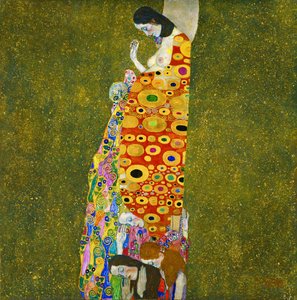
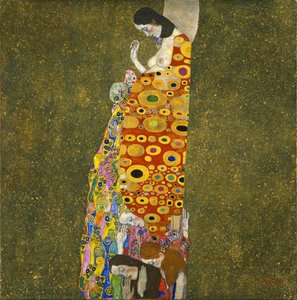
Within the captivating realm of Gustav Klimt's oeuvre lies an untitled portrait – designated “7103” – that whispers with the delicate allure of a dream. This is not a work shouting for attention, but rather one drawing you into its embrace through a haze of muted blues and browns, a testament to Klimt’s mastery of atmosphere and emotional resonance. The painting centers on a woman, her figure occupying most of the canvas, creating an intimate connection with the viewer. She isn't presented as a distant icon, but as someone almost within reach, caught in a moment of quiet contemplation.
Though lacking the overt gold leaf that defines much of Klimt’s celebrated “golden phase,” this portrait is undeniably steeped in the spirit of Art Nouveau. The flowing lines, though implied rather than sharply defined, evoke a sense of organic grace, mirroring the natural world and its inherent beauty. Klimt's influence from Japanese art is subtly present in the flattened perspective and decorative sensibility. He wasn’t merely replicating styles; he was synthesizing them into something uniquely his own – a visual language that spoke to the anxieties and desires of fin-de-siècle Vienna. The woman’s dress, a soft shade of blue, contributes to this ethereal quality, suggesting fragility and perhaps a touch of melancholy. It's a color often associated with introspection and the intangible realm of emotions.
The technical brilliance of “untitled (7103)” lies in Klimt’s meticulous layering of thin glazes of oil paint. This painstaking process builds up color and texture gradually, creating a surface that seems to shimmer with an inner light. The brushwork is loose and expressive, prioritizing mood over precise representation. Details are softly rendered, allowing the viewer's eye to wander and complete the image, fostering a sense of personal connection. There’s a deliberate lack of strong shadows, which further enhances the hazy atmosphere, enveloping the subject in an almost dreamlike state. This isn’t about capturing photographic realism; it’s about conveying a feeling, an impression – a fleeting moment suspended in time.
The symbolism within this portrait is subtle yet profound. The woman's direct, yet slightly distant gaze invites contemplation, prompting us to wonder about her inner world. Is she lost in thought? Is she aware of our presence? Klimt often explored themes of femininity, desire, and mortality in his work, and these undercurrents are present here as well. While the painting doesn’t offer definitive answers, it encourages a dialogue between the artwork and the viewer. The overall effect is one of quiet elegance and understated power – a testament to Klimt's ability to capture not just a likeness, but the very essence of human emotion.

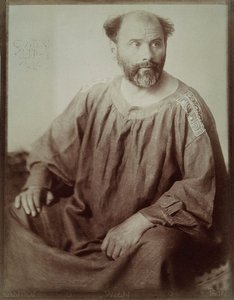
1862 - 1918 , Austria

Explore the profound impact of the Vienna Secession movement. Discover how visionaries like Gustav Klimt revolutionized modern art through symbolism, gold leaf, and the concept of Gesamtkunstwerk in this expert-led historical guide.


Bądź na bieżąco z najnowszymi wiadomościami ze świata sztuki, ekskluzywnymi ofertami i inspiracjami dekoratorskimi.
Opowiedz nam o swoim projekcie, a nasi eksperci przygotują dla Ciebie 3 spersonalizowane propozycje dzieł sztuki.
Przygotujemy dla Ciebie 3 propozycje zupełnie za darmo!


 Podgląd w skali
 Wyślij jako kartkę
 Udostępnij
 Szczegóły dzieła

 Pobierz
 Podobne obiekty
 RTG
RTG Pokaz slajdów
 Rozwiń treść







 Opcja ze szkłem jest dostępna wyłącznie w rozmiarach poniżej 110 cm