x

 Olej na płótnieSztuka ściennaSymbolist Painting
 1854Wczesne średniowiecze
 75.0 x 96.0 cm
 Städel Museum
Kup wysokiej rozdzielczości, ulepszony obraz cyfrowy o znacznie wyższej jakości niż podgląd online.
Każdy plik jest starannie przygotowywany przez naszych specjalistów przy użyciu zaawansowanych narzędzi oraz profesjonalnej, ręcznej retuszy. Dbamy o to, aby każdy obraz cechował się wyjątkową ostrością, precyzyjnym odwzorowaniem kolorów i subtelnymi detalami.
Ostateczny plik dostarczany jest drogą mailową w ciągu 72 godzin, zoptymalizowany do natychmiastowego wykorzystania w profesjonalnych zastosowaniach redakcyjnych i poligraficznych. To ta sama jakość, której ufają czołowe studia projektowe, wydawnictwa oraz galerie sztuki.
Pobierz plik o wysokiej rozdzielczości do osobistego wyświetlania, druku oraz projektów kreatywnych. ( Zamów wydruk Zamów ręcznie malowaną reprodukcję)
Wybierając Most-Famous-Paintings.com, nie otrzymujesz jedynie obrazu – otrzymujesz profesjonalnie udoskonalone cyfrowe dzieło sztuki, stworzone z najwyższą precyzją i objęte gwarancją satysfakcji. Oto wszystko, co automatycznie dołączane jest do Twojego zamówienia:

Plik z obrazem cyfrowym w wysokiej rozdzielczości zostanie przesłany na Twój adres e-mail w ciągu 72 godzin od złożenia zamówienia – gotowy do natychmiastowego użycia.

Twoja grafika została profesjonalnie zoptymalizowana przy użyciu zaawansowanych narzędzi AI oraz ręcznej edycji, co zapewnia maksymalną szczegółowość, klarowność i wierność kolorów.

Przypadkowo usunąłeś lub zgubiłeś swój plik? Bez obaw – prześlemy go Tobie ponownie w dowolnym momencie, bez żadnych opłat.

Ciesz się swoją sztuką natychmiast, bez żadnych opłat celnych, należności ani kosztów dostawy – pliki cyfrowe są zawsze wolne od podatku.

Dzięki zastosowaniu profesjonalnych narzędzi i procesów zarządzania barwą zapewniamy, że Twoje cyfrowe zdjęcie odzwierciedla oryginalne kolory tak wiernie, jak to tylko możliwe.

Jeśli nie będziesz zadowolony ze swojego cyfrowego obrazu, dokonamy jego poprawki lub zwrócimy 100% kosztów w ciągu 60 dni – bez żadnych pytań.

Nie jesteś zadowolony? Otrzymaj pełny zwrot kosztów w ciągu 60 dni od otrzymania pliku cyfrowego – bez zbędnych pytań.

Kup 3 obrazy, oszczędź 10% - Kup 5, oszczędź 15% - Kup 10+, oszczędź 20%. Idealne do projektów kreatywnych, galerii i agencji.
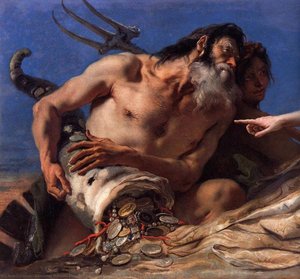
Gustave Moreau’s “Pieta,” painted in 1854, isn’t merely a depiction of the Virgin Mary cradling the lifeless body of Christ; it’s an immersion into a realm of potent symbolism and deeply felt sorrow. More than just a religious scene, this work stands as a cornerstone of the Symbolist movement, revealing Moreau's profound interest in exploring the hidden currents of myth, spirituality, and the human psyche—a fascination that permeated his entire artistic career. Housed within the Stadelsches Kunstinstitut in Frankfurt, it’s a painting that continues to resonate with viewers over a century after its creation, inviting contemplation on themes of loss, devotion, and the eternal bond between mother and son.
Moreau, born into a Parisian bourgeois family steeped in artistic tradition—his father an architect and archivist—was never content with the prevailing Realist or Impressionist trends. He sought instead to unlock the mysteries of the subconscious, translating subjective emotions and spiritual yearnings into a visual language uniquely his own. This pursuit led him away from objective representation towards a world of dreamlike imagery, rich symbolism, and an intense emotional charge – qualities powerfully evident in the “Pieta.” The painting’s genesis lies within Moreau's personal reflections on faith and mortality, filtered through his intensely imaginative mind.
Measuring a modest 75 x 96 cm, the “Pieta” is executed in oil on canvas with meticulous detail. The composition immediately draws the eye to Mary’s figure, positioned centrally within the frame, her face etched with an unbearable grief. Christ's body, rendered with a delicate realism that belies its lifelessness, rests gently in her arms. However, it’s not simply a portrait of mourning; Moreau masterfully employs color and light to heighten the emotional impact. The dominant palette is dark—deep blues, purples, and browns—creating an atmosphere of profound solemnity. This darkness is dramatically contrasted by the fiery red sky that dominates the background, evoking both the agony of Christ’s crucifixion and the impending doom of his death.
Adding to the scene's complexity are two ethereal angels positioned on either side of the composition. These figures aren’t merely observers; they represent divine presence and a sense of sorrowful acceptance. Their placement subtly reinforces the narrative, suggesting a higher power witnessing and bearing witness to this profound human tragedy. The intricate details—the folds of Mary’s robe, the texture of Christ's skin, the subtle expressions on the angels’ faces—are hallmarks of Moreau’s meticulous technique, reflecting his dedication to capturing not just likeness but also mood and emotion.
Moreau’s Symbolist style is deeply intertwined with religious iconography, yet he deliberately subverts traditional representations. The red sky, for instance, isn't a literal depiction of the heavens at the time of Christ’s death; it’s a symbolic representation of divine judgment and sorrow. Similarly, Mary’s expression—a mixture of grief, acceptance, and profound love—is far more nuanced than simple sadness. She embodies not just maternal mourning but also a spiritual connection to her son, reflecting the core tenets of Christian faith.
The painting is rich with allusions to classical mythology and medieval art, further enriching its symbolic depth. The angels, reminiscent of figures from Byzantine mosaics, evoke a sense of timelessness and spiritual authority. Moreau’s use of muted colors and dramatic lighting creates an atmosphere of mystery and invites viewers to interpret the scene on a deeply personal level. It's a testament to his ability to infuse religious subject matter with a distinctly Symbolist sensibility—a blend of dreamlike imagery, psychological insight, and profound emotional resonance.
Gustave Moreau’s “Pieta” remains a powerfully evocative work of art, captivating viewers with its intense emotion and symbolic depth. Its influence can be seen in the works of artists who followed, including Matisse and Rouault, demonstrating Moreau's pivotal role in shaping the Symbolist movement. Today, Most-Famous-Paintings offers meticulously crafted hand-painted reproductions that faithfully capture the painting’s beauty and emotional intensity. These reproductions provide a unique opportunity to experience this masterpiece firsthand, bringing its profound symbolism and haunting atmosphere into your home or studio.
Whether you are an art enthusiast, collector, or simply seeking inspiration, Moreau's "Pieta" offers a timeless meditation on grief, faith, and the enduring bond between mother and son. Explore our collection of high-quality reproductions to bring this iconic artwork into your world.

1826 - 1898 , Francja


Bądź na bieżąco z najnowszymi wiadomościami ze świata sztuki, ekskluzywnymi ofertami i inspiracjami dekoratorskimi.
Opowiedz nam o swoim projekcie, a nasi eksperci przygotują dla Ciebie 3 spersonalizowane propozycje dzieł sztuki.
Przygotujemy dla Ciebie 3 propozycje zupełnie za darmo!


 Podgląd w skali
 Wyślij jako kartkę
 Udostępnij
 Szczegóły dzieła

 Pobierz
 Podobne obiekty
 RTG
RTG Pokaz slajdów
 Rozwiń treść