Sprzedawaj swoją sztukę
Lista życzeń Koszyk zakupowy Cart
Podgląd w skaliPodgląd w skali Podgląd ARPodgląd AR Zamów ręcznie malowaną reprodukcję Zamów ręcznie malowaną reprodukcjęKup obraz wysokiej rozdzielczości Kup obraz wysokiej rozdzielczości Wyślij jako kartkęWyślij jako kartkę
Szczegóły dziełaSzczegóły dzieła Dodaj do ulubionych Dodaj do ulubionych PobierzPobierz Podobne obiektyPodobne obiekty RTGRTG Pokaz slajdówPokaz slajdów

Pieta

Gustave Moreau's "Pieta" (1854) embodies Symbolism's quest for inner truth through evocative imagery and rich color palettes. Inspired by biblical narratives and mythological themes, Moreau’s work anticipates elements of modern fantasy art. Admire this poignant depiction at the Musée Gustave Moreau in Paris, showcasing his meticulous attention to detail and emotional depth.

Poznaj Gustave Moreau – francuskiego mistrza Symbolizmu! Jego dzieła fascynują bogactwem kolorów i głęboką symboliką. Odkryj jego niezwykły świat sztuki XIX wieku!

Giclée / Wydruk artystyczny

Druk giclée lub płótno o jakości muzealnej, szybka realizacja i szeroki wybór opcji wykończenia. (Zamów ręcznie malowaną reprodukcję Zamów ręcznie malowaną reprodukcjęKup obraz wysokiej rozdzielczości Kup obraz wysokiej rozdzielczości)

P118B $10
P118H $10
P118W $10
P438Z $10
P508JH $12
P508YH $12
P805H $10
P805Z $10
P919BZ $10
P919G $10
P919XJ $10
P959ZH $10
P968JZ $12
W106C $8
W218G $10
W218JH $8
W218Y $10
W307PJ $10
W316G $10
W316PJ $8
W316Y $10
W398PJ $8
W4111J $10
W500HY $15
W500JH $15
W692G $12
W849H $8
W940BG $15
W953PJ $8

Standard
custom
CM
INCH

Wybierz spośród naszych standardowych rozmiarów, które zachowują oryginalne proporcje dzieła sztuki.

szerokość
wysokość

Możesz wprowadzić własne wymiary, aby dopasować dzieło do konkretnej ramy lub przestrzeni. Jeśli wybrany rozmiar nie będzie odpowiadał proporcjom oryginalnego obrazu, przytniecie dzieło lub rozszerzymy obraz za pomocą odbicia lustrzanego lub jednolitego wypełnienia krawędzi. Przed rozpoczęciem produkcji prześlemy cyfrową wizualizację do Twojej akceptacji.
Prosimy pamiętać, że podgląd na ekranie nie odzwierciedla faktycznego przycinania ani rozszerzania. Tylko wizualizacja dokładnie pokaże końcową kompozycję.
Mimo dostępności niestandardowych rozmiarów, zalecamy wybór wymiaru z listy zdefiniowanej, aby zachować oryginalne proporcje.

Dostawa na cały świat () w ciągu 2 tygodni zamiast standardowych 4/5 tygodni. (18 Sierpień)

why_choose_icon
Bezpłatna ekspresowa wysyłka na cały świat
why_choose_icon
Wysokiej jakości płótno lniane
why_choose_icon
Pełne ubezpieczenie przesyłki
why_choose_icon
Gwarancja zwrotu należności celnych i podatków importowych
why_choose_icon
Gwarancja wiernego odwzorowania kolorów
why_choose_icon
Polityka 60-dniowego zwrotu (tylko w przypadku wad)
why_choose_icon
Gwarancja 100% zwrotu kosztów
why_choose_icon
Zniżka przy zamówieniu wielu produktów

Suma całkowita

$ 68

reproduction

Pieta

Giclée / Wydruk artystyczny

Wymiary reprodukcji

-

Cena całkowita

$ 68

Szybki podgląd

  • Subject or theme: Religious iconography
  • Title: Pieta
  • Influences: Romanticism
  • Location: Musée Gustave Moreau
  • Medium: Oil on canvas
  • Artist: Gustave Moreau
  • Movement: Symbolism

Quiz o sztuce

Do każdego pytania dotyczy tylko jedna poprawna odpowiedź.

Pytanie 1:
What artistic movement is Gustave Moreau primarily associated with?
Pytanie 2:
The painting depicts Mary holding Jesus after his crucifixion. What emotion does this scene aim to convey?
Pytanie 3:
What is the predominant color palette used in ‘Pieta’?
Pytanie 4:
The painting includes two angels flanking Mary and Jesus. What role do these angels typically symbolize in religious iconography?
Pytanie 5:
Gustave Moreau’s style is characterized by dreamlike imagery and mythological references. Where did he draw inspiration for his artistic vision?

Opis kolekcjonerski

The Ethereal Vision of Gustave Moreau

In an era where the art world was increasingly captivated by the stark, unvarnished truths of Realism, Gustave Moreau emerged as a visionary who dared to look inward. His Pieta is not merely a depiction of a biblical moment; it is a profound departure from the observable world, serving instead as a portal into the subconscious depths of myth and spirituality. Rather than striving for the photographic accuracy favored by his contemporaries, Moreau sought to capture the essence of what lies beyond perception. In this monumental work, the weight of the crucifixion is balanced by an otherworldly grace, transforming a scene of profound sorrow into a meditative exploration of divine communion. For the collector, this piece offers more than visual beauty; it provides a window into the very soul of the Symbolist movement.


The composition transcends the traditional boundaries of religious art, inviting the viewer to experience a sense of transcendence. While the subject matter—the Virgin Mary cradling the lifeless body of her son, Jesus—is timeless, Moreau’s approach is uniquely enigmatic. He avoids the visceral trauma of death in favor of a sorrowful dignity, where every gesture and gaze is imbued with a deeper, symbolic meaning that speaks to the eternal bond between the human and the divine.

A Tapulated Symphony of Byzantine Grandeur

Moreau’s genius lies in his ability to weave historical reverence with personal innovation. In constructing this Pieta, he drew significant inspiration from the luminous mosaics of Byzantine iconography. This deliberate stylistic choice imbues the canvas with a sense of sacred permanence, as if the scene were etched into the very fabric of history. The composition is meticulously layered, creating an atmosphere that feels both ancient and intimately personal. Mary’s upward gaze does not merely reflect grief; it suggests an acceptance of a higher spiritual truth, a gesture that connects the earthly tragedy to a celestial promise.


The symbolism within the work is as rich as its textures. The presence of angelic figures in the background serves to bridge the gap between the mortal and the eternal, framing the central tragedy within a larger cosmic narrative. For those looking to curate a space with depth and intellectual resonance, this painting offers an unparalleled opportunity to introduce themes of faith, memory, and myth into a modern interior. The warmth of the palette and the richness of the imagery create a focal point that is both commanding and contemplative.

The Alchemy of Light and Texture

Technically, Moreau’s work is a masterclass in the creation of illusion. He employed a method reminiscent of cloisonné enamel, applying layers of color and texture to divide the canvas into cells of vibrant, luminous light. This painstaking process results in a surface that seems to glow from within, capturing the eye with its intricate detail and jewel-like brilliance. The interplay of light and shadow does not just define form; it creates an atmosphere of mysticism and enchantment.


For the interior designer or art enthusiast, a high-quality reproduction of this masterpiece brings a sense of opulent history into the contemporary home. The rich, warm tones and the profound emotional weight of the piece make it an ideal centerpiece for a room designed for reflection and elegance. To possess such a work is to hold a fragment of the 19th century’s most profound spiritual rebellion—a piece that continues to challenge our perceptions of reality and inspire awe through its sheer, haunting beauty.

O artyście

A Dream Weaver of Symbolism: The Life and Art of Gustave Moreau

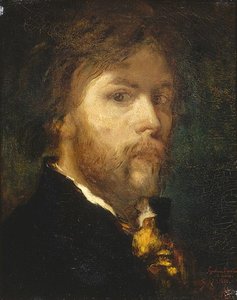
Gustave Moreau, a name inextricably linked to the ethereal beauty and profound mysteries of Symbolist painting, emerged from 19th-century Paris as an artist utterly distinct in his vision. Born in 1826 into a comfortable bourgeois family—his father an architect and archivist—Moreau’s early life was steeped in intellectual curiosity and a deep appreciation for aesthetics. From a remarkably young age, he displayed a prodigious talent for drawing, nurtured through the rigorous training of the École des Beaux-Arts under esteemed figures like François-Édouard Picot. However, Moreau's artistic trajectory swiftly diverged from the prevailing Realist and Impressionist currents dominating his time. He wasn’t driven by a desire to capture fleeting moments or represent objective reality; instead, he sought to unlock the hidden realms of myth, religion, and the intricate workings of the human psyche through a deeply personal and symbolic visual language. His artistic journey became an inward exploration, translating subjective emotions and spiritual yearnings onto canvas with meticulous detail and a palette often rich in vibrant, almost opulent hues.

The Forge of Imagination: Influences and Artistic Development

Moreau’s artistic development wasn't forged in isolation. While rejecting the dominant trends of his era, he drew inspiration from a remarkably diverse range of sources. The dramatic use of color and exotic subject matter found in the works of Eugène Delacroix ignited within him a passionate interest in narrative painting imbued with intense emotionality. He held Renaissance masters—Michelangelo and Leonardo da Vinci, in particular—in the highest esteem, deeply admiring their mastery of composition, anatomical precision, and their remarkable ability to penetrate the complexities of human psychology. Yet, Moreau wasn’t merely imitating these giants; he was synthesizing their influences into something entirely new, a distinctly personal style. His pivotal journey to Italy during the 1850s proved transformative, immersing him in the art of antiquity and the Renaissance. This experience provided an unparalleled wealth of motifs and stylistic cues that would subsequently populate his future works. He meticulously copied Old Master paintings—not as mere reproductions, but as a means of absorbing their techniques and unlocking their secrets—carefully studying brushstrokes, color palettes, and compositional strategies. This dedication to craft, combined with his burgeoning fascination with mythology and literature, formed the bedrock of his unique artistic vision.

A World of Symbols: Themes and Techniques

Moreau’s paintings are not simply illustrations of myths or biblical stories; they are complex allegories designed to provoke contemplation and interpretation. He didn't aim to retell these narratives literally but rather to explore their underlying psychological and spiritual truths. His canvases are populated with a rich tapestry of symbolic imagery—serpents representing temptation, jewels signifying earthly desires, and figures embodying abstract concepts such as grief, loss, or redemption. He masterfully created an atmosphere of dreaminess through intricate detail, shimmering textures, and often unsettling juxtapositions of light and shadow. Moreau’s technique was characterized by a painstaking layering of paint—a deliberate process that resulted in surfaces brimming with iridescent colors and evoking a sense of otherworldly beauty. His skillful use of gold leaf further enhanced this effect, lending his works a Byzantine quality that underscored their spiritual dimension. He prioritized the expressive power of color and form over strict adherence to realistic representation, focusing on conveying mood and meaning rather than photographic accuracy.

Notable Works and Legacy

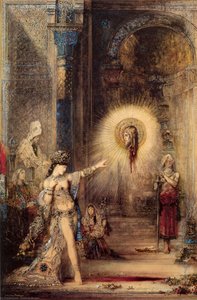
Throughout his career, Moreau produced an astonishing body of work, including iconic paintings such as *Salomé tańcząca przed Herodem* (Salome Dancing before Herod), *Jupiter i Semele*, *Orfeusz*, *Widzenie*, and *Święta Elżbieta z Anglii lub Cud róż*. These works demonstrate his extraordinary skill in depicting mythological scenes, biblical narratives, and allegorical themes. Moreau’s influence extended far beyond the Symbolist movement itself. He mentored numerous artists at the École des Beaux-Arts, encouraging them to embrace imagination, symbolism, and individual expression—a radical departure from the prevailing academic norms of the time. Though initially met with mixed reactions, Moreau's work gained recognition in the late 19th and early 20th centuries, solidifying his place as a pivotal figure in modern art. Today, the Musée Gustave Moreau in Paris stands as a testament to his enduring legacy—a sanctuary where visitors can immerse themselves in the captivating world of this extraordinary artist, experiencing firsthand the power and beauty of his symbolic vision.

Key Characteristics

  • Symbolic Imagery: Moreau’s paintings are replete with symbols representing complex ideas and emotions.
  • Dreamlike Atmosphere: He skillfully created an ethereal and otherworldly atmosphere through meticulous detail and color manipulation.
  • Rich Palette: His use of vibrant, often opulent colors contributed to the overall sense of mystery and beauty.
  • Influence of Renaissance Masters: Moreau drew inspiration from the techniques and philosophies of Michelangelo and Leonardo da Vinci.
Gustaw Moreau

Gustaw Moreau

1826 - 1898 , Francja

Krótka nota

  • Artistic Movement Or Style: Symbolizm
  • Artists Or Movements Influenced By This Artist:
    • Matisse
    • Rouault
  • Artists Who Influenced This Artist:
    • Delacroix
    • Michelangelo
  • Date Of Birth: 6 kwietnia 1826
  • Date Of Death: 18 kwietnia 1898
  • Full Name: Gustave Moreau
  • Nationality: Francuz
  • Notable Artworks:
    • Salome tańcząca
    • Prometeusz
    • Święta Elżbieta
  • Place Of Birth: Paryż, Francja
Odkryj dzieła sztuki uporządkowane według tematów, stylów i cech charakterystycznych.