x

Druk giclée lub płótno o jakości muzealnej, szybka realizacja i szeroki wybór opcji wykończenia. ( Zamów ręcznie malowaną reprodukcję Kup obraz wysokiej rozdzielczości)





























Wybierz spośród naszych standardowych rozmiarów, które zachowują oryginalne proporcje dzieła sztuki.

Możesz wprowadzić własne wymiary, aby dopasować dzieło do konkretnej ramy lub przestrzeni. Jeśli wybrany rozmiar nie będzie odpowiadał proporcjom oryginalnego obrazu, przytniecie dzieło lub rozszerzymy obraz za pomocą odbicia lustrzanego lub jednolitego wypełnienia krawędzi. Przed rozpoczęciem produkcji prześlemy cyfrową wizualizację do Twojej akceptacji.
Prosimy pamiętać, że podgląd na ekranie nie odzwierciedla faktycznego przycinania ani rozszerzania. Tylko wizualizacja dokładnie pokaże końcową kompozycję.
Mimo dostępności niestandardowych rozmiarów, zalecamy wybór wymiaru z listy zdefiniowanej, aby zachować oryginalne proporcje.
Dostawa na cały świat () w ciągu 2 tygodni zamiast standardowych 4/5 tygodni. (20 Sierpień)


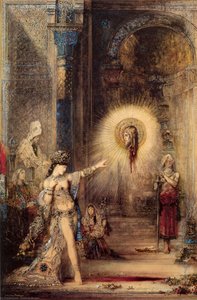
Tête d'Orphée
Wymiary reprodukcji
Gustave Moreau’s “Tête d'Orphée” (Head of Orpheus) is not merely a portrait; it’s an immersion. Painted during the heart of the Symbolist movement in late 19th-century Paris, this oil on canvas transcends simple representation, offering instead a profound meditation on myth, emotion, and the human condition. The painting depicts a woman – her identity deliberately obscured – framed by a richly detailed forest backdrop, immediately establishing a connection to ancient narratives and the power of storytelling. Moreau’s work, deeply rooted in the traditions of academic art training yet radically independent in its aims, sought to evoke not what was seen, but what *felt*—a core tenet of Symbolism.
Moreau's artistic vision was profoundly influenced by the intellectual currents of his time. He rejected the objective realism championed by movements like Impressionism, instead embracing a subjective approach rooted in Romanticism and the burgeoning field of psychology. He drew heavily from classical mythology, medieval symbolism, and esoteric traditions – elements that would become hallmarks of the Symbolist style. This wasn’t about depicting a literal scene; it was about conveying an *idea*, a mood, a spiritual resonance. The painting's title itself, “Head of Orpheus,” suggests a focus on the musician’s soul, his ability to move and inspire, rather than simply his physical appearance.
“Tête d'Orphée” is saturated with symbolic meaning. The woman herself can be interpreted as representing both earthly beauty and divine inspiration. The forest, a recurring motif in Moreau’s work, symbolizes the unconscious mind—a realm of hidden emotions and forgotten memories. The necklace, a subtle detail, might allude to Orpheus's lyre, or perhaps to a connection with the spiritual world. More than just a beautiful image, this painting evokes a powerful sense of melancholy, longing, and contemplation – qualities that are central to the Symbolist aesthetic. The overall effect is one of profound introspection, inviting the viewer to confront their own emotions and beliefs.
Moreau’s “Tête d'Orphée” remains a captivating work of art, demonstrating his mastery of technique and his ability to tap into universal themes. Its evocative imagery and profound symbolism continue to resonate with audiences today. Most-Famous-Paintings.com offers meticulously crafted hand-painted reproductions that faithfully capture the beauty and depth of this iconic Symbolist masterpiece, allowing you to bring its timeless allure into your home or office.
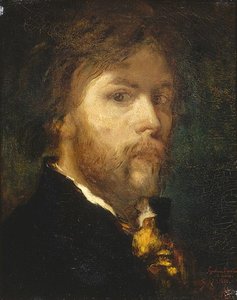
1826 - 1898 , Francja

Explore the evocative world of Symbolist painting. Discover how masters like Gustave Moreau rejected realism to capture dreams, myths, and the subconscious through fine art history and expert analysis.

Elevate your collection with Most-Famous-Paintings.com. Discover the exquisite differences between our hand-painted oil reproductions, archival Giclée canvases, and fine art prints. Expert guidance for discerning collectors seeking museum-quality mastery and bespoke artistry.

Unlock your creative potential with Most-Famous-Paintings. Learn how art students and creators can scale their business through premium oil reproductions, print-on-demand royalties, and global distribution of their artistic legacy.


Bądź na bieżąco z najnowszymi wiadomościami ze świata sztuki, ekskluzywnymi ofertami i inspiracjami dekoratorskimi.
Opowiedz nam o swoim projekcie, a nasi eksperci przygotują dla Ciebie 3 spersonalizowane propozycje dzieł sztuki.
Przygotujemy dla Ciebie 3 propozycje zupełnie za darmo!


 Podgląd w skali
 Wyślij jako kartkę
 Udostępnij
 Szczegóły dzieła

 Pobierz
 Podobne obiekty
 RTG
RTG Pokaz slajdów

 Rozwiń treść







 Opcja ze szkłem jest dostępna wyłącznie w rozmiarach poniżej 110 cm