Sprzedawaj swoją sztukę
Lista życzeń Koszyk zakupowy Cart
Podgląd w skaliPodgląd w skali Podgląd ARPodgląd AR Zamów ręcznie malowaną reprodukcję Zamów ręcznie malowaną reprodukcjęKup obraz wysokiej rozdzielczości Kup obraz wysokiej rozdzielczości Wyślij jako kartkęWyślij jako kartkę
Szczegóły dziełaSzczegóły dzieła Dodaj do ulubionych Dodaj do ulubionych PobierzPobierz Podobne obiektyPodobne obiekty RTGRTG Pokaz slajdówPokaz slajdów

untitled (2375)

Admire 'Untitled (2375)': A captivating portrait by Hans Holbein the Younger featuring a squirrel! Explore this unique Northern Renaissance artwork.

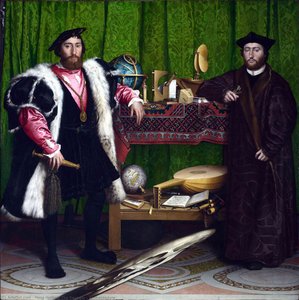
Wspaniały portret Ambasadorów Holbeina! Złota era, symbol władzy i religijnych napięć. Odkryj bogate symbole i tajemnice tego arcydzieła. #Holbein #Ambasadorowie #sztuka

Giclée / Wydruk artystyczny

Druk giclée lub płótno o jakości muzealnej, szybka realizacja i szeroki wybór opcji wykończenia. (Zamów ręcznie malowaną reprodukcję Zamów ręcznie malowaną reprodukcjęKup obraz wysokiej rozdzielczości Kup obraz wysokiej rozdzielczości)

P118B $10
P118H $10
P118W $10
P438Z $10
P508JH $12
P508YH $12
P805H $10
P805Z $10
P919BZ $10
P919G $10
P919XJ $10
P959ZH $10
P968JZ $12
W106C $8
W218G $10
W218JH $8
W218Y $10
W307PJ $10
W316G $10
W316PJ $8
W316Y $10
W398PJ $8
W4111J $10
W500HY $15
W500JH $15
W692G $12
W849H $8
W940BG $15
W953PJ $8

Standard
custom
CM
INCH

Wybierz spośród naszych standardowych rozmiarów, które zachowują oryginalne proporcje dzieła sztuki.

szerokość
wysokość

Możesz wprowadzić własne wymiary, aby dopasować dzieło do konkretnej ramy lub przestrzeni. Jeśli wybrany rozmiar nie będzie odpowiadał proporcjom oryginalnego obrazu, przytniecie dzieło lub rozszerzymy obraz za pomocą odbicia lustrzanego lub jednolitego wypełnienia krawędzi. Przed rozpoczęciem produkcji prześlemy cyfrową wizualizację do Twojej akceptacji.
Prosimy pamiętać, że podgląd na ekranie nie odzwierciedla faktycznego przycinania ani rozszerzania. Tylko wizualizacja dokładnie pokaże końcową kompozycję.
Mimo dostępności niestandardowych rozmiarów, zalecamy wybór wymiaru z listy zdefiniowanej, aby zachować oryginalne proporcje.

Dostawa na cały świat () w ciągu 2 tygodni zamiast standardowych 4/5 tygodni. (21 Sierpień)

why_choose_icon
Bezpłatna ekspresowa wysyłka na cały świat
why_choose_icon
Wysokiej jakości płótno lniane
why_choose_icon
Pełne ubezpieczenie przesyłki
why_choose_icon
Gwarancja zwrotu należności celnych i podatków importowych
why_choose_icon
Gwarancja wiernego odwzorowania kolorów
why_choose_icon
Polityka 60-dniowego zwrotu (tylko w przypadku wad)
why_choose_icon
Gwarancja 100% zwrotu kosztów
why_choose_icon
Zniżka przy zamówieniu wielu produktów

Suma całkowita

$ 68

reproduction

untitled (2375)

Giclée / Wydruk artystyczny

Wymiary reprodukcji

-

Cena całkowita

$ 68

Szybki podgląd

  • artist: hans holbein the younger
  • notable elements: squirrel, chain, other people in background
  • style: realism
  • subject: portrait of a brown squirrel on a person's lap
  • movement: northern renaissance

Quiz o sztuce

Do każdego pytania dotyczy tylko jedna poprawna odpowiedź.

Pytanie 1:
Hans Holbein the Younger is most renowned for his work within which artistic movement?
Pytanie 2:
What is the primary subject of this painting?
Pytanie 3:
Based on Holbein’s typical style, what can be inferred about the depiction of the subject?
Pytanie 4:
The presence of a chain in the painting suggests what?

Opis kolekcjonerski

A Moment of Intimacy: Exploring Holbein’s “untitled (2375)”

This captivating painting by Hans Holbein the Younger offers a rare and intimate glimpse into the domestic life of the 16th century. The artwork centers on a remarkably lifelike depiction of a brown squirrel, comfortably seated upon the lap of an unseen individual. This is not merely a portrait of an animal; it’s a study in texture, character, and the burgeoning Renaissance fascination with naturalism.

Artistic Style & Technique

Holbein, a master of the Northern Renaissance, was renowned for his exceptional realism. This piece exemplifies that skill. While the size is unknown, the level of detail suggests meticulous brushwork and an acute observation of form. The squirrel’s fur appears almost tangible, and its focused gaze – seemingly directed at something held within its mouth – draws the viewer into a quiet narrative. Holbein's technique likely involved layering glazes to achieve depth and luminosity, characteristic of oil painting during this period. The composition is unconventional for a formal portrait; it prioritizes intimacy over grandeur, suggesting a personal commission rather than one intended for public display.

Historical Context & Patronage

Hans Holbein the Younger (1497-1543) flourished during a period of significant artistic and political change. He served as a court painter to King Henry VIII, creating iconic portraits of the Tudor dynasty. However, works like “untitled (2375)” reveal another facet of his practice – smaller, more personal commissions likely undertaken for wealthy patrons who appreciated detailed observation and skilled craftsmanship. The presence of a chain on the person’s lap hints at the squirrel being a pet, perhaps even a trained animal, reflecting the status symbol associated with exotic or skillfully managed creatures during the Renaissance. The two additional figures in the background, though less defined, suggest a domestic setting and potentially other members of the household observing this tender moment.

Symbolism & Interpretation

While seemingly straightforward, the painting invites deeper interpretation. Squirrels, in Renaissance symbolism, could represent prudence, foresight, and industriousness. Their habit of storing nuts for winter resonated with themes of preparation and careful planning. The act of holding something within its mouth might symbolize secrets or hidden knowledge. However, it’s equally plausible that the painting is simply a celebration of the bond between humans and animals – a testament to companionship and affection.

Emotional Impact & Aesthetic Appeal

“untitled (2375)” evokes a sense of quiet contemplation and warmth. The intimate setting and the gentle interaction between human and animal create an atmosphere of peaceful domesticity. The painting’s appeal lies in its ability to capture a fleeting moment with remarkable precision, inviting viewers to connect with the scene on an emotional level. Its subdued palette and focus on texture make it a versatile piece for interior design, lending sophistication and charm to any space. It would complement interiors seeking a touch of historical elegance or a naturalistic aesthetic.

Collecting & Reproduction

As a work by Hans Holbein the Younger, “untitled (2375)” represents a significant addition to any art collection. High-quality reproductions allow art enthusiasts and interior designers to experience the beauty and artistry of this piece without the constraints of rarity or cost. The painting’s intimate scale makes it particularly well-suited for smaller spaces, offering a focal point that invites close observation and appreciation.

O artyście

A Life Etched in Detail: The World of Hans Holbein the Younger

Born around 1497 in Augsburg, Germany, Hans Holbein the Younger emerged as a defining figure of the Northern Renaissance—a master portraitist whose work continues to resonate with breathtaking realism and psychological depth. His upbringing within an artistically gifted family laid the foundation for his exceptional talent; his father, Hans Holbein the Elder, was a respected painter and printmaker who instilled in young Hans a meticulous approach to observation and technique. This early training wasn’t merely about mastering brushstrokes or mixing pigments—it was about learning to *see*, to capture not just likeness but the very essence of a subject. Holbein's initial artistic explorations occurred within his father’s workshop, where he honed his skills before embarking on a journey that would lead him through Switzerland and ultimately to the heart of the English court.

From Basel to the Tudor Court: A Rising Star

After completing his apprenticeship, Holbein traveled extensively throughout Switzerland, establishing himself as an independent artist with a growing reputation. He spent several formative years in Basel, creating not only striking portraits but also religious works and intricate woodcut designs—most notably the haunting series depicting the *Dance of Death*. These early pieces reveal a burgeoning mastery of composition and a developing fascination with capturing the complexities of human emotion. He admired the work of Albrecht Dürer and other German masters while also studying Italian art during his travels, absorbing their techniques and incorporating them into his own unique style. His innovative compositions further enhanced the impact of his work, often employing symbolic objects or backgrounds to convey deeper meaning. It was in 1526 that fate intervened, drawing Holbein towards England, an event that would irrevocably alter his artistic trajectory. He arrived bearing a letter of introduction from Erasmus, the renowned humanist scholar, which opened doors to the influential circles of English society. His talent quickly captivated prominent figures like Sir Thomas More, who became both a patron and a subject for several compelling portraits. This connection proved pivotal, leading to Holbein’s appointment as a court painter to King Henry VIII in 1536—a position he held, with some interruptions, until his untimely death in 1543.

The Art of Perception: Style and Masterpieces

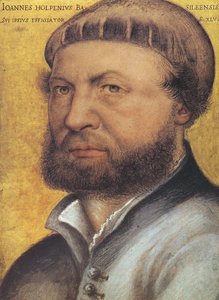
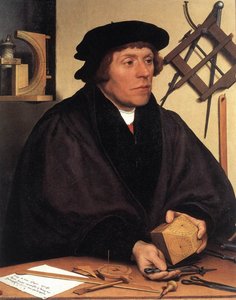
Holbein's artistic style is characterized by an extraordinary commitment to realism, achieved through painstaking attention to detail in rendering textures, fabrics, and the subtle nuances of facial features. He didn’t simply *paint* portraits; he meticulously constructed them, layer upon layer, capturing not just physical appearances but also the personality and inner life of his sitters. His innovative compositions further enhanced the impact of his work, often employing symbolic objects or backgrounds to convey deeper meaning. The Ambassadors (1533) stands as a testament to this approach—a complex and symbolically rich double portrait showcasing both Holbein’s technical brilliance and intellectual depth. The anamorphic skull subtly embedded within the painting serves as a stark *memento mori*, reminding viewers of the inevitability of death. He employed meticulous observation, blending scientific accuracy with artistic sensitivity – techniques that would become hallmarks of his oeuvre. His numerous portraits of Henry VIII established a lasting image of Tudor power, while his depiction of Erasmus of Rotterdam captures the scholar's profound intellectual gravitas. Other notable works include the stunning *Portrait of Nikolaus Kratzer* (1528), a masterpiece of realism and scientific detail.

Legacy and Influence: A Lasting Impression

Holbein’s artistic journey was shaped by a confluence of influences, blending the precision of German artistic traditions with the compositional principles of the Italian Renaissance. His legacy is profound; Holbein’s portraits set a new standard for realism and psychological insight in portraiture, influencing generations of artists who followed. His depictions of key figures during the Tudor period provide invaluable insights into the lives and personalities of those who shaped English history.
  • His meticulous attention to detail revolutionized portrait painting, elevating it to an art form that prioritized psychological accuracy alongside visual beauty.
  • He championed humanist ideals—celebrating intellect and human dignity—reflecting the spirit of his time.
  • Holbein’s work continues to inspire artists today, demonstrating the enduring power of observation and artistic innovation.
He didn't merely record appearances—he captured moments in time, preserving them for posterity. His contribution to art history is undeniable; he remains one of the most admired and studied painters of the Renaissance—a master whose artistry transcends mere technical skill; it is an embodiment of intellectual curiosity, artistic innovation, and a profound understanding of the human condition.
Hans Holbein Młodszy

Hans Holbein Młodszy

1497 - 1543 , Niemcy

Krótka nota

  • Artistic Movement Or Style: Renesans północny
  • Artists Or Movements Influenced By This Artist: ['Późniejsi malarze portretowi']
  • Artists Who Influenced This Artist: ['Albrecht Dürer']
  • Date Of Birth: c. 1497
  • Date Of Death: October or November 1543
  • Full Name: Hans Holbein der Jüngere
  • Nationality: Niemcy i Szwajcaria
  • Notable Artworks:
    • Ambasadorowie
    • Portret Henryka VIII
    • Portret Erasma
  • Place Of Birth: Augsburg, Germany
Odkryj dzieła sztuki uporządkowane według tematów, stylów i cech charakterystycznych.