x

 Obraz olejny na płycieNorthern Renaissance
 1504Renesans
 100.0 x 100.0 cm
Druk giclée lub płótno o jakości muzealnej, szybka realizacja i szeroki wybór opcji wykończenia. ( Kup ręcznie malowany obraz Kup obraz cyfrowy)





























Wybierz spośród naszych standardowych rozmiarów, które zachowują oryginalne proporcje dzieła sztuki.

Możesz wprowadzić własne wymiary, aby dopasować dzieło do konkretnej ramy lub przestrzeni. Jeśli wybrany rozmiar nie będzie odpowiadał proporcjom oryginalnego obrazu, przytniecie dzieło lub rozszerzymy obraz za pomocą odbicia lustrzanego lub jednolitego wypełnienia krawędzi. Przed rozpoczęciem produkcji prześlemy cyfrową wizualizację do Twojej akceptacji.
Prosimy pamiętać, że podgląd na ekranie nie odzwierciedla faktycznego przycinania ani rozszerzania. Tylko wizualizacja dokładnie pokaże końcową kompozycję.
Mimo dostępności niestandardowych rozmiarów, zalecamy wybór wymiaru z listy zdefiniowanej, aby zachować oryginalne proporcje.
Dostawa na cały świat () w ciągu 2 tygodni zamiast standardowych 4/5 tygodni. (13 Sierpień)


Triptych Haywain
Wymiary reprodukcji
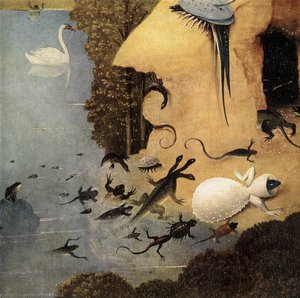
The Haywain Triptych by Hieronymus Bosch remains one of art history’s most enigmatic and profoundly symbolic creations. Painted around 1504, this monumental panel painting exemplifies the artist's distinctive style—characterized by meticulous detail, vibrant colors, and a complex narrative designed to provoke contemplation—and firmly establishes him as a cornerstone of Northern Renaissance art.
Composition and Style
The triptych’s structure is deliberately arresting: three interconnected panels unfold before the viewer's eyes. The leftmost panel depicts a serene landscape bathed in ethereal light, populated by figures engaged in seemingly idyllic activities—perhaps representing paradise or echoing biblical narratives. This tranquil scene abruptly transitions into the central panel, where chaos reigns supreme. Dominating this space is an enormous rock formation encircled by tormented souls, embodying humanity’s struggle against sin and despair. Finally, the rightmost panel portrays utter destruction and violence, symbolizing the inevitable consequences of transgression and signaling the arrival of apocalyptic judgment.
Bosch's masterful manipulation of lines, shapes, and textures generates a dynamic visual rhythm that guides the eye through each scene. The painstaking depiction of figures—their expressions conveying palpable emotion—elevates this triptych beyond mere representation; it becomes an immersive experience rich in psychological depth.
Executed on wood panels using tempera or oil paints, Bosch’s technique demonstrates exceptional skill and precision. Fine brushwork is layered upon layer, creating a textured surface that lends physicality to the depicted figures and landscapes. The artist skillfully employs perspective—though somewhat flattened—to heighten realism and depth, enhancing the overall impact of the artwork.
Historical Context
Hieronymus Bosch (c. 1450-1516), born in ’s-Hertogenbosch, Netherlands—a region grappling with religious upheaval during his lifetime—was a pivotal figure in Dutch art. Despite the paucity of biographical information, Bosch’s artistic vision profoundly influenced Northern European painting throughout the sixteenth century. His work reflects the anxieties and spiritual fervor prevalent at the time, exploring themes of temptation, morality, and divine judgment.
The Haywain Triptych aligns itself with Bosch's broader oeuvre—particularly *The Garden of Earthly Delights*—a series of paintings commissioned by King Philip II of Spain. These canvases were subsequently recomposed in 1570, marking a significant moment in art history.
Beyond its formal beauty lies a wealth of symbolic meaning. The landscape panels represent the preludes to earthly existence, while the central panel confronts viewers with the horrors of sin and torment. Animals—often grotesque hybrids—serve as allegories for vices, mirroring humanity’s failings. Objects appear bizarre and unsettling, symbolizing desires that defy moral restraint. Bosch's intention was not merely to depict events but to convey profound spiritual truths—a testament to his genius as a storyteller and artist.
The Haywain Triptych continues to fascinate scholars and art enthusiasts alike. Its unsettling imagery, masterful technique, and enduring symbolism solidify Bosch’s position as one of the most influential artists of the Renaissance—a visionary who dared to confront the darkest recesses of human consciousness.

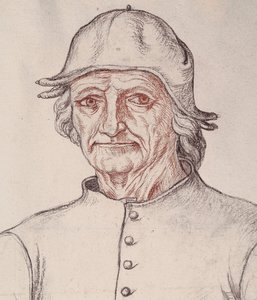
1450 - 1516 , Holandia
Odkryj 25 arcydzieł Hieronymusa Boscha – mistrza niderlandzkiego renesansu! Poznaj fascynujące historie, symbolikę i techniki malarskie tego niezwykłego artysty. Reprodukcje obrazów najwyższej jakości na Most-Famous-Paintings.com. Eksploruj pełną kolekcję online!

Explore the captivating world of Hieronymus Bosch! Delve into the symbolism, religious context, and artistic innovation of this Netherlandish master with Most-Famous-Paintings's expert analysis. Discover his iconic paintings & lasting influence.
Odkryj 25 arcydzieł Museo del Prado! Poznaj historię Velázquez, Goyi i El Greco. Inspiracje wnętrzarskie z klasycznymi obrazami baroku i renesansu. Reprodukcje najwyższej jakości na Most-Famous-Paintings.com – sztuka dla Twojego domu.

Journey through High Medieval Art! Explore 10 iconic masterpieces – from Giotto's frescoes to stunning Gothic cathedrals. Discover the stories behind these timeless paintings, sculptures & illuminated manuscripts. Find museum-quality art reproductions at Most-Famous-Paintings.com.

Journey through 10 defining Late Medieval masterpieces – from Giotto's frescoes to Jan van Eyck’s realism. Explore the stories, techniques & vibrant colors of Gothic art. Find museum-quality reproductions and elevate your home decor with Most-Famous-Paintings.com! Discover all masterpieces on Most-Famous-Paintings.com


Bądź na bieżąco z najnowszymi wiadomościami ze świata sztuki, ekskluzywnymi ofertami i inspiracjami dekoratorskimi.
Opowiedz nam o swoim projekcie, a nasi eksperci przygotują dla Ciebie 3 spersonalizowane propozycje dzieł sztuki.
Przygotujemy dla Ciebie 3 propozycje zupełnie za darmo!


 Podgląd w skali
 Wyślij jako kartkę
 Udostępnij
 Szczegóły dzieła

 Pobierz
 Podobne obiekty
 RTG
RTG Pokaz slajdów
 Rozwiń treść







 Opcja ze szkłem jest dostępna wyłącznie w rozmiarach poniżej 110 cm