
Sprzedawaj swoją sztukę
Lista życzeń Koszyk zakupowy Cart
Podgląd w skaliPodgląd w skali Podgląd ARPodgląd AR Zamów wydruk Zamów wydrukZamów ręcznie malowaną reprodukcję Zamów ręcznie malowaną reprodukcję Wyślij jako kartkęWyślij jako kartkę
Szczegóły dziełaSzczegóły dzieła Dodaj do ulubionych Dodaj do ulubionych PobierzPobierz Podobne obiektyPodobne obiekty RTGRTG Pokaz slajdówPokaz slajdów

Hermit Saints Triptych (central panel)

Explore Hieronymus Bosch’s ‘Hermit Saints Triptych (central panel)’ – a stunning Renaissance oil painting rich in symbolism & depth. Discover its layered composition, earthy palette & Netherlandish style.

Hieronymus Bosch (1450-1516) – mistrz surrealizmu i symboliki flamandzkiej. Jego dzieła pełne są mrocznych wizji, grzechów i symbolicznych interpretacji. Odkryj świat jego ikonografii!

Kup wysokiej rozdzielczości, ulepszony obraz cyfrowy o znacznie wyższej jakości niż podgląd online.

Każdy plik jest starannie przygotowywany przez naszych specjalistów przy użyciu zaawansowanych narzędzi oraz profesjonalnej, ręcznej retuszy. Dbamy o to, aby każdy obraz cechował się wyjątkową ostrością, precyzyjnym odwzorowaniem kolorów i subtelnymi detalami.

Ostateczny plik dostarczany jest drogą mailową w ciągu 72 godzin, zoptymalizowany do natychmiastowego wykorzystania w profesjonalnych zastosowaniach redakcyjnych i poligraficznych. To ta sama jakość, której ufają czołowe studia projektowe, wydawnictwa oraz galerie sztuki.

Obraz cyfrowy

Pobierz plik o wysokiej rozdzielczości do osobistego wyświetlania, druku oraz projektów kreatywnych. (Zamów wydruk Zamów wydrukZamów ręcznie malowaną reprodukcję Zamów ręcznie malowaną reprodukcję)

Suma do zapłaty

$ 24,90

W każdym zamówieniu na obraz cyfrowy znajduje się

Profesjonalna dostawa cyfrowa z gwarancją

Wybierając Most-Famous-Paintings.com, nie otrzymujesz jedynie obrazu – otrzymujesz profesjonalnie udoskonalone cyfrowe dzieło sztuki, stworzone z najwyższą precyzją i objęte gwarancją satysfakcji. Oto wszystko, co automatycznie dołączane jest do Twojego zamówienia:

shipping_icon
Błyskawiczna wysyłka e-mailowa

Plik z obrazem cyfrowym w wysokiej rozdzielczości zostanie przesłany na Twój adres e-mail w ciągu 72 godzin od złożenia zamówienia – gotowy do natychmiastowego użycia.

canvas_icon
Plik cyfrowy wzbogacony przez AI

Twoja grafika została profesjonalnie zoptymalizowana przy użyciu zaawansowanych narzędzi AI oraz ręcznej edycji, co zapewnia maksymalną szczegółowość, klarowność i wierność kolorów.

insurance_icon
Dożywotnia darmowa ponowna dostawa

Przypadkowo usunąłeś lub zgubiłeś swój plik? Bez obaw – prześlemy go Tobie ponownie w dowolnym momencie, bez żadnych opłat.

tax_icon
Bez opłat importowych – zawsze

Ciesz się swoją sztuką natychmiast, bez żadnych opłat celnych, należności ani kosztów dostawy – pliki cyfrowe są zawsze wolne od podatku.

color_icon
Gwarancja wierności kolorów

Dzięki zastosowaniu profesjonalnych narzędzi i procesów zarządzania barwą zapewniamy, że Twoje cyfrowe zdjęcie odzwierciedla oryginalne kolory tak wiernie, jak to tylko możliwe.

return_icon
60-dniowa gwarancja satysfakcji

Jeśli nie będziesz zadowolony ze swojego cyfrowego obrazu, dokonamy jego poprawki lub zwrócimy 100% kosztów w ciągu 60 dni – bez żadnych pytań.

guarantee_icon
100% Gwarancja zwrotu pieniędzy

Nie jesteś zadowolony? Otrzymaj pełny zwrot kosztów w ciągu 60 dni od otrzymania pliku cyfrowego – bez zbędnych pytań.

discount_icon
Rabaty przy zamówieniach hurtowych

Kup 3 obrazy, oszczędź 10% - Kup 5, oszczędź 15% - Kup 10+, oszczędź 20%. Idealne do projektów kreatywnych, galerii i agencji.

Szybki podgląd

  • dimensions: 86 x 50 cm
  • medium: Oil on wood panel
  • artist: Hieronymus Bosch
  • year: 1505
  • style: Surreal, imaginative, meticulous detail, realism, symbolic representation
  • movement: Early Netherlandish painting

Quiz o sztuce

Do każdego pytania dotyczy tylko jedna poprawna odpowiedź.

Pytanie 1:
To which artistic movement does Hieronymus Bosch's 'Hermit Saints Triptych (central panel)' primarily belong?
Pytanie 2:
What is a prominent symbolic element within the central panel, representing Philip's first miracle?
Pytanie 3:
Around what year was 'Hermit Saints Triptych (central panel)' created?
Pytanie 4:
What is a key characteristic of Bosch's artistic style as seen in this work?
Pytanie 5:
What medium did Hieronymus Bosch primarily use for his paintings, including this triptych panel?

Opis kolekcjonerski

A Vision of Faith and Transformation: The Hermit Saints Triptych (Central Panel)

This captivating oil painting by Hieronymus Bosch, dating from 1505 and measuring 86 x 50 cm, offers a profound glimpse into the spiritual landscape of the Early Netherlandish period. More than just a religious scene, it’s a meticulously crafted narrative brimming with symbolism and psychological depth.

Subject & Narrative

The central panel depicts a pivotal moment in the legend of Saint Philip – his conversion sparked by encountering a fish. We see the saint kneeling in fervent prayer before a basin containing the miraculous creature, an image laden with theological significance. Behind him unfolds a vast and atmospheric landscape featuring rugged mountains and a distant cityscape, suggesting both the isolation necessary for spiritual contemplation *and* the world to which he will return transformed. This isn’t merely an illustration of a saint's life; it’s a visual meditation on faith, divine intervention, and personal metamorphosis.

Style & Technique

Bosch’s distinctive style is immediately recognizable here. He masterfully blends meticulous realism with fantastical elements, creating a world that feels both tangible and dreamlike. The painting showcases the hallmarks of Early Netherlandish technique: layered oil glazes build up rich color and luminosity, while precise detail renders textures – from the rough stone of architectural features to the delicate scales of the fish – with astonishing accuracy. The earthy palette—dominated by browns, ochres, and reds—contributes to a somber yet deeply evocative mood. Bosch’s use of atmospheric perspective creates a convincing sense of depth, drawing the viewer into the scene.

Symbolism & Iconography

Every element within this composition carries symbolic weight. The fish represents Saint Philip's first miracle and, more broadly, baptism and spiritual renewal. The basin symbolizes purification and the vessel of faith. The imposing mountainous landscape suggests a challenging spiritual journey or ascent towards enlightenment. Bosch was renowned for embedding complex allegories within his work, inviting viewers to decipher layers of meaning beyond the surface narrative.

Historical Context & Artistic Influence

Hieronymus Bosch (c. 1450-1516) remains one of art history’s most enigmatic figures. Born in 's-Hertogenbosch, Netherlands, his work defied easy categorization and profoundly influenced subsequent generations of artists, including Pieter Bruegel the Elder. He operated during a period of religious upheaval and societal change, and his paintings often reflect anxieties about sin, salvation, and the human condition. Bosch’s unique vision—characterized by surreal imagery and moral complexity—set him apart from his contemporaries and continues to captivate audiences today.

Emotional Impact & Interior Design

This panel evokes a sense of quiet contemplation and spiritual yearning. Its muted color palette and atmospheric depth create an aura of solemnity, while the intricate details reward close viewing. As a statement piece, it would lend gravitas and intellectual curiosity to any interior space. The painting’s earthy tones complement both traditional and contemporary settings, adding a touch of Old World elegance and artistic sophistication.
  • Ideal for libraries, studies, or contemplative living spaces.
  • Pairs well with antique furniture and muted color schemes.
  • A conversation starter that invites reflection and discussion.
This artwork is not simply a historical artifact; it’s a timeless exploration of faith, transformation, and the enduring power of the human spirit.

Biografia artysty

A Netherlandish Enigma: The Life and Art of Hieronymus Bosch

Born around 1450 in the vibrant, bustling town of ’s-Hertogenbosch in the Netherlands—then part of Brabant—Hieronymus Bosch, originally Jheronimus van Aken, remains one of art history’s most compelling and mysterious figures. His world was steeped in late medieval religious fervor, folklore, and a growing sense of societal unease, all of which would profoundly shape his uniquely unsettling artistic vision. Coming from a family with a long tradition of painting—his grandfather, Jan van Aken, and father, Anthonius van Aken, were both artists—Bosch likely received his earliest training within the family workshop, absorbing the techniques and conventions of Netherlandish painting. However, even in his formative years, he began to diverge from established norms, hinting at the extraordinary imagination that would define his career. Biographical details are frustratingly scarce; records are fragmented, leaving much open to speculation and interpretation, adding to the aura of mystique surrounding both the man and his work. He married Aleyt Goyaerts van den Meerveen sometime before 1481, a union that provided him with some financial security through her family’s holdings, but little else is known about their personal life.

Fantastical Visions and Symbolic Depths

Bosch's artistic style is instantly recognizable—a captivating blend of meticulous detail and wildly imaginative imagery. He primarily worked with oil on oak panels, demonstrating a masterful command of the medium, achieving luminous colors and intricate textures. While his early works show influences from traditional Netherlandish painting, particularly in their realism and attention to detail, he quickly moved beyond mere imitation, developing a profoundly original vision. His paintings are not simply representations of reality; they are allegorical landscapes populated by bizarre creatures, hybrid beings, and unsettling scenes that seem plucked from dreams—or nightmares. Religious themes form the core of much of his work, but these are rarely straightforward depictions of biblical stories. Instead, Bosch uses symbolism to explore complex moral and theological concepts, often focusing on the dangers of sin, the fragility of earthly pleasures, and the inevitability of divine judgment. His creatures—grotesque demons, fantastical animals, and strangely human figures—are not merely decorative elements; they are embodiments of vice, temptation, and spiritual corruption. The blending of the sacred and the profane, the beautiful and the grotesque, creates a uniquely unsettling effect that continues to captivate viewers centuries later.

Masterpieces of Moral Allegory

Among Bosch’s most celebrated achievements is The Garden of Earthly Delights (c. 1490-1510), a triptych that remains one of the most enigmatic and debated works in art history. When opened, it presents a panoramic vision of paradise, earthly life, and hell—a complex allegorical representation of humanity’s fall from grace. The left panel depicts the Garden of Eden, teeming with fantastical creatures and lush vegetation; the central panel portrays a world consumed by sensual pleasure and unrestrained desire; and the right panel offers a terrifying glimpse into the torments of hell. The Triptych of the Last Judgement (c. 1480-1490) is another powerful example of his skill in portraying both heavenly bliss and infernal torment, while The Ascent of the Blessed (c. 1480-1490) demonstrates his ability to create ethereal and dreamlike scenes. Even smaller works like Epiphany (c. 1495) showcase his innovative use of oil on wood and complex symbolism, revealing a mind constantly grappling with profound questions about faith, morality, and the human condition.

Influences and Artistic Development

Identifying Bosch’s direct influences is a challenging task, given the originality of his vision. Scholars suggest possible connections to medieval folklore, religious texts—particularly those emphasizing apocalyptic themes—and the prevailing anxieties of the time, including fears of heresy and social upheaval. However, it's clear that he synthesized these elements into something entirely new and uniquely his own. His work evolved over time, moving from more conventional Netherlandish styles towards a highly personalized and symbolic approach. Early works show influences from artists like Rogier van der Weyden and Robert Campin, but as Bosch matured, he developed a distinctive style characterized by its meticulous detail, bizarre imagery, and unsettling atmosphere. The influence of the late Gothic tradition is evident in his use of perspective and his depiction of crowded scenes, while the emerging Renaissance interest in humanism can be seen in his exploration of moral themes and his portrayal of human figures—though often distorted and grotesque.

Legacy and Enduring Influence

Identifying Bosch’s direct influences is a challenging task, given the originality of his vision. Scholars suggest possible connections to medieval folklore, religious texts—particularly those emphasizing apocalyptic themes—and the prevailing anxieties of the time, including fears of heresy and social upheaval. However, it's clear that he synthesized these elements into something entirely new and uniquely his own. His impact on subsequent artists is undeniable. Pieter Bruegel the Elder directly followed in his footsteps, adopting similar themes and compositional techniques, while later movements, such as Surrealism, also drew inspiration from Bosch’s dreamlike imagery and exploration of the subconscious. Artists like Salvador Dalí and Max Ernst openly acknowledged their debt to his unsettling visions. Even today, Bosch's work continues to fascinate and provoke debate, solidifying his place as a master of Netherlandish painting and a visionary artist whose influence extends far beyond his own time. His paintings offer valuable insights into the religious, social, and psychological climate of the late 15th and early 16th centuries, challenging conventional norms and paving the way for new forms of artistic expression. He died in 1516, leaving behind a body of work that continues to haunt and inspire, ensuring his enduring legacy as one of art history’s most singular and unforgettable voices.
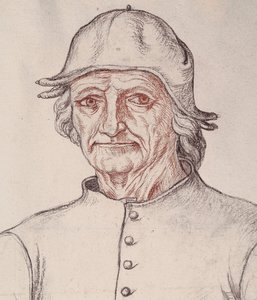
Hieronim Bosch

Hieronim Bosch

1450 - 1516 , Holandia

Krótka nota

  • Artistic Movement Or Style: Surrealizm, Symbolizm
  • Artists Or Movements Influenced By This Artist: ['Pieter Bruegel']
  • Date Of Birth: c. 1450
  • Date Of Death: 1516
  • Full Name: Hieronymus Bosch
  • Nationality: Holenderski
  • Notable Artworks:
    • Ogród Radości Zbawicielskiej
    • Apokalipsa
    • Wędrowiec
  • Place Of Birth: Den Bosch, Holandia

