


x

Kup wysokiej rozdzielczości, ulepszony obraz cyfrowy o znacznie wyższej jakości niż podgląd online.
Każdy plik jest starannie przygotowywany przez naszych specjalistów przy użyciu zaawansowanych narzędzi oraz profesjonalnej, ręcznej retuszy. Dbamy o to, aby każdy obraz cechował się wyjątkową ostrością, precyzyjnym odwzorowaniem kolorów i subtelnymi detalami.
Ostateczny plik dostarczany jest drogą mailową w ciągu 72 godzin, zoptymalizowany do natychmiastowego wykorzystania w profesjonalnych zastosowaniach redakcyjnych i poligraficznych. To ta sama jakość, której ufają czołowe studia projektowe, wydawnictwa oraz galerie sztuki.
Pobierz plik o wysokiej rozdzielczości do osobistego wyświetlania, druku oraz projektów kreatywnych. ( Zamów wydruk Zamów ręcznie malowaną reprodukcję)
Wybierając Most-Famous-Paintings.com, nie otrzymujesz jedynie obrazu – otrzymujesz profesjonalnie udoskonalone cyfrowe dzieło sztuki, stworzone z najwyższą precyzją i objęte gwarancją satysfakcji. Oto wszystko, co automatycznie dołączane jest do Twojego zamówienia:

Plik z obrazem cyfrowym w wysokiej rozdzielczości zostanie przesłany na Twój adres e-mail w ciągu 72 godzin od złożenia zamówienia – gotowy do natychmiastowego użycia.

Twoja grafika została profesjonalnie zoptymalizowana przy użyciu zaawansowanych narzędzi AI oraz ręcznej edycji, co zapewnia maksymalną szczegółowość, klarowność i wierność kolorów.

Przypadkowo usunąłeś lub zgubiłeś swój plik? Bez obaw – prześlemy go Tobie ponownie w dowolnym momencie, bez żadnych opłat.

Ciesz się swoją sztuką natychmiast, bez żadnych opłat celnych, należności ani kosztów dostawy – pliki cyfrowe są zawsze wolne od podatku.

Dzięki zastosowaniu profesjonalnych narzędzi i procesów zarządzania barwą zapewniamy, że Twoje cyfrowe zdjęcie odzwierciedla oryginalne kolory tak wiernie, jak to tylko możliwe.

Jeśli nie będziesz zadowolony ze swojego cyfrowego obrazu, dokonamy jego poprawki lub zwrócimy 100% kosztów w ciągu 60 dni – bez żadnych pytań.

Nie jesteś zadowolony? Otrzymaj pełny zwrot kosztów w ciągu 60 dni od otrzymania pliku cyfrowego – bez zbędnych pytań.

Kup 3 obrazy, oszczędź 10% - Kup 5, oszczędź 15% - Kup 10+, oszczędź 20%. Idealne do projektów kreatywnych, galerii i agencji.
To step into Joan Miró’s "El Circo" is to abandon the heavy, predictable weight of the physical world and enter a realm where gravity is merely a suggestion. Created between 1967 and 1968, this masterpiece serves as a vibrant explosion of color and form, transcending mere visual representation to embody the very essence of the surrealist imagination. Miró himself described the work as “a dream,” a sentiment that resonates through every irregular line and celestial splash of pigment. The painting does not simply depict a circus; it channels the profound anxieties and soaring aspirations of a generation navigating the complexities of the postwar era, offering a sanctuary of subconscious exploration where the boundaries between reality and fantasy dissolve into a harmonious, chaotic dance.
At the heart of this cosmic panorama lies a captivating, spider-like figure that dominates the composition, acting as an anchor for the surrounding whirlwind of activity. This central creature, surrounded by smaller humanoids and enigmatic geometric shapes, creates a deliberate disruption of conventional perspective. Miró’s signature style is on full display here, utilizing bold, irregular lines and a primary palette of reds, yellows, blues, and greens that pulse with life. The technique itself is a masterful blend of painting and collage; by incorporating fragments of paper and fabric into the canvas surface, Miró achieves a textural richness that invites the viewer to touch the dream with their eyes. This tactile quality reinforces the artwork's organic nature, making the piece feel less like a static image and more like a living, breathing entity.
The historical context of "El Circo" is essential to grasping its deeper emotional resonance. Emerging from the shadows of global conflict and the repressive ideologies of fascism, Surrealism sought an antidote through artistic experimentation rooted in the psychoanalytic theories of Sigmund Freud. Miró’s work aligns perfectly with this ethos, rejecting academic rigidity in favor of intuition and the liberation of the unconscious mind. The fantastical creatures and fractured shapes within the painting mirror the fragmented realities experienced during the turbulent years following World War II, yet they simultaneously offer a sense of boundless possibility. Every shape and color serves as a visual poem, translating the silent whispers of the Catalan landscape and the vibrant spirit of Barcelona into a universal language of wonder.
For the discerning collector or interior designer, "El Circo" offers more than just aesthetic brilliance; it provides an emotional focal point that commands attention and sparks conversation. The dynamic composition and energetic use of color make it an ideal centerpiece for modern spaces, bringing a sense of playful intellect and avant-garde sophistication to any room. Whether viewed as a study in mid-century abstraction or a profound exploration of the human psyche, this work remains a timeless testament to Miró's ability to capture the intangible. Owning a high-quality reproduction of such a seminal piece allows one to invite that same sense of childlike wonder and surrealist magic into the home, turning a living space into a gallery of infinite imagination.

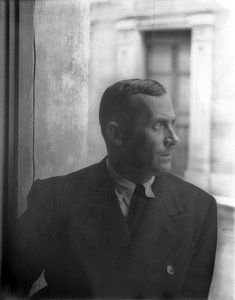
1893 - 1983 , Hiszpania


Bądź na bieżąco z najnowszymi wiadomościami ze świata sztuki, ekskluzywnymi ofertami i inspiracjami dekoratorskimi.
Opowiedz nam o swoim projekcie, a nasi eksperci przygotują dla Ciebie 3 spersonalizowane propozycje dzieł sztuki.
Przygotujemy dla Ciebie 3 propozycje zupełnie za darmo!


 Podgląd w skali
 Wyślij jako kartkę
 Udostępnij
 Szczegóły dzieła

 Pobierz
 Podobne obiekty
 RTG
RTG Pokaz slajdów

 Rozwiń treść


