Sprzedawaj swoją sztukę
Lista życzeń Koszyk zakupowy Cart
Podgląd w skaliPodgląd w skali Podgląd ARPodgląd AR Zamów ręcznie malowaną reprodukcję Zamów ręcznie malowaną reprodukcjęKup obraz wysokiej rozdzielczości Kup obraz wysokiej rozdzielczości Wyślij jako kartkęWyślij jako kartkę
Szczegóły dziełaSzczegóły dzieła Dodaj do ulubionych Dodaj do ulubionych PobierzPobierz Podobne obiektyPodobne obiekty RTGRTG Pokaz slajdówPokaz slajdów

El muro del sol

Poznaj świat Joana Miró! Odkryj Surrealizm i abstrakcję, katalońską symbolikę oraz zabawne kształty. Pionier sztuki nowoczesnej – zobacz dzieła w Most-Famous-Paintings!

Giclée / Wydruk artystyczny

Druk giclée lub płótno o jakości muzealnej, szybka realizacja i szeroki wybór opcji wykończenia. (Zamów ręcznie malowaną reprodukcję Zamów ręcznie malowaną reprodukcjęKup obraz wysokiej rozdzielczości Kup obraz wysokiej rozdzielczości)

P118B $10
P118H $10
P118W $10
P438Z $10
P508JH $12
P508YH $12
P805H $10
P805Z $10
P919BZ $10
P919G $10
P919XJ $10
P959ZH $10
P968JZ $12
W106C $8
W218G $10
W218JH $8
W218Y $10
W307PJ $10
W316G $10
W316PJ $8
W316Y $10
W398PJ $8
W4111J $10
W500HY $15
W500JH $15
W692G $12
W849H $8
W940BG $15
W953PJ $8

Standard
custom
CM
INCH

Wybierz spośród naszych standardowych rozmiarów, które zachowują oryginalne proporcje dzieła sztuki.

szerokość
wysokość

Możesz wprowadzić własne wymiary, aby dopasować dzieło do konkretnej ramy lub przestrzeni. Jeśli wybrany rozmiar nie będzie odpowiadał proporcjom oryginalnego obrazu, przytniecie dzieło lub rozszerzymy obraz za pomocą odbicia lustrzanego lub jednolitego wypełnienia krawędzi. Przed rozpoczęciem produkcji prześlemy cyfrową wizualizację do Twojej akceptacji.
Prosimy pamiętać, że podgląd na ekranie nie odzwierciedla faktycznego przycinania ani rozszerzania. Tylko wizualizacja dokładnie pokaże końcową kompozycję.
Mimo dostępności niestandardowych rozmiarów, zalecamy wybór wymiaru z listy zdefiniowanej, aby zachować oryginalne proporcje.

Dostawa na cały świat () w ciągu 2 tygodni zamiast standardowych 4/5 tygodni. (22 Sierpień)

why_choose_icon
Bezpłatna ekspresowa wysyłka na cały świat
why_choose_icon
Wysokiej jakości płótno lniane
why_choose_icon
Pełne ubezpieczenie przesyłki
why_choose_icon
Gwarancja zwrotu należności celnych i podatków importowych
why_choose_icon
Gwarancja wiernego odwzorowania kolorów
why_choose_icon
Polityka 60-dniowego zwrotu (tylko w przypadku wad)
why_choose_icon
Gwarancja 100% zwrotu kosztów
why_choose_icon
Zniżka przy zamówieniu wielu produktów

Suma całkowita

$ 68

reproduction

El muro del sol

Giclée / Wydruk artystyczny

Wymiary reprodukcji

-

Cena całkowita

$ 68

Szybki podgląd

  • Medium: Screenprint on canvas
  • Influences: Gaudí
  • Artistic style: Abstract
  • Artist: Joan Miró
  • Movement: Surrealism
  • Subject or theme: Catalan symbolism
  • Notable elements or techniques: Mosaic design

Quiz o sztuce

Do każdego pytania dotyczy tylko jedna poprawna odpowiedź.

Pytanie 1:
What is the predominant color palette used in Joan Miro’s painting "El muro del sol"?
Pytanie 2:
The image description highlights a prominent figure in the painting. What is this figure characterized as?
Pytanie 3:
According to the text, what influenced Miró’s artistic style?
Pytanie 4:
What type of art is "El muro del sol"?
Pytanie 5:
The text mentions a specific frame style recommended for displaying this artwork. What are its key features?

Opis kolekcjonerski

Joan Miró’s “El muro del sol”: Decoding Catalan Symbolism

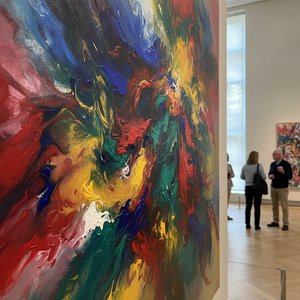
Joan Miró’s “El muro del sol,” or “The Wall of the Sun,” stands as a cornerstone of Surrealist art, embodying the artist's profound engagement with dreams and subconscious landscapes. Painted in 1949, this striking screenprint on canvas exemplifies Miró’s signature style—a vibrant mosaic of abstracted forms rendered in bold hues that defy conventional representation.

Born in Barcelona in 1893, Miró's artistic journey began amidst the burgeoning Catalan avant-garde movement. Influenced by Gaudí’s organic architecture and infused with a deep connection to his homeland’s rugged terrain, he developed a visual language characterized by playful spontaneity and symbolic depth. This piece reflects this heritage—a deliberate departure from realism aimed at capturing intangible emotions and sensations.

A Mosaic of Color: Technique and Composition

The artwork's technique is meticulously crafted; Miró employed a layering process, applying multiple screens to achieve the mesmerizing textured surface we see today. The dominant colors—red, blue, yellow, green, and black—are strategically juxtaposed to create dynamic visual rhythms. These hues aren’t merely decorative; they resonate with Catalan folklore and evoke feelings of warmth, melancholy, and primal energy.

Central to the composition is a monumental figure – arguably an animalistic face – dominating the canvas. Its vibrant coloration amplifies its presence, anchoring the abstract mosaic background. The intricate design of the mosaic itself isn’t accidental; it's a deliberate attempt to represent the complexities of the human psyche and the interconnectedness of nature.

Historical Context and Surrealist Influence

“El muro del sol” emerged during Miró’s formative years within the Surrealist movement, spearheaded by André Breton. Breton sought to liberate art from rational constraints, tapping into the realm of unconscious thought and fantasy—a pursuit perfectly aligned with Miró's artistic sensibilities. The artwork reflects the broader Surrealist preoccupation with automatism—allowing subconscious impulses to guide creative expression—resulting in images that are both unsettling and profoundly beautiful.

UNESCO recognized Barcelona’s architectural heritage, including Gaudí’s Sagrada Familia, as a World Heritage Site in 1984. Miró's art undeniably carries echoes of this Catalan spirit – an unwavering belief in imagination and the transformative power of artistic vision. “El muro del sol” continues to inspire collectors and interior designers alike who appreciate its bold aesthetic and evocative symbolism.

Emotional Resonance: Beyond Representation

Ultimately, Miró’s masterpiece transcends mere visual depiction. It invites contemplation—encouraging viewers to delve into their own subconscious landscapes and embrace the beauty of ambiguity. The artwork's emotional impact is palpable; it speaks to themes of solitude, resilience, and the enduring fascination with primal forces – elements that resonate deeply within the human experience.

O artyście

A Catalan Visionary: The Life and Art of Joan Miró

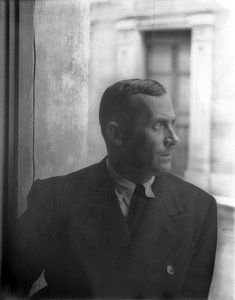
Joan Miró i Ferrà, born in Barcelona in 1893, stands as one of the most significant figures in 20th-century art. His journey was not merely a progression through styles but an exploration of inner worlds, translating dreams, memories, and Catalan identity onto canvas with a uniquely poetic visual language. From humble beginnings marked by illness and initial parental reservations about his artistic pursuits, Miró persevered, driven by an innate need to express the intangible—the emotions, sensations, and subconscious currents that lie beneath the surface of reality. His early life was steeped in the traditions of Barcelona, a city brimming with architectural marvels thanks to Antoni Gaudí, whose organic forms would subtly influence Miró’s later abstractions. The goldsmithing profession of his father instilled an appreciation for meticulous craftsmanship, while the rugged Catalan landscape became a recurring motif and source of inspiration throughout his career.

Early Influences and the Path to Surrealism

Miró's formal artistic training began at La Llotja in Barcelona, where he honed his skills in traditional techniques. However, it was exposure to the avant-garde movements sweeping through Paris that truly ignited his creative evolution. The vibrant colors of Fauvism and the fragmented forms of Cubism resonated deeply, prompting him to move to Paris in 1920. This period proved pivotal as he encountered artists like Pablo Picasso and began experimenting with increasingly abstract compositions. Yet, Miró didn’t simply adopt these styles; he synthesized them, forging a path toward his own distinctive aesthetic. He sought to distill forms to their essence, stripping away representational details in favor of symbolic shapes and evocative colors. This exploration led him to the Surrealist group in 1924, aligning him with artists such as Max Ernst and Salvador Dalí. While embracing the Surrealist interest in the subconscious, Miró maintained a unique sensibility—his work was less about shocking imagery or Freudian symbolism than it was about creating a world of playful forms and poetic suggestion. He famously recounted that he returned to his Parisian studio at Rue Blomet without dinner and began sketching in his notebook, stating: “Those shapes appeared to me on the ceiling.”

The Language of Symbols: Key Works and Artistic Innovations

Throughout the 1920s and 30s, Miró developed his signature visual vocabulary—a universe populated by biomorphic shapes, floating forms, and vibrant colors. The Farm (1922) exemplifies this transition. It’s not merely a depiction of rural life but an evocation of Catalan identity and a symbolic representation of the natural world. His collaborative spirit led to innovative techniques like *grattage*, pioneered with Max Ernst in 1926 for designs intended for Sergei Diaghilev's ballet, where textures were revealed by scraping paint across canvas. The Dutch Interiors (1928) series demonstrated his ability to reinterpret the Old Masters through a distinctly modern lens, transforming domestic scenes into dreamlike abstractions. Painting (1933) encapsulates Miró’s exploration of the subconscious and his rejection of conventional artistic boundaries—bold colors and simplified forms conveying a profound emotional resonance. Beyond painting, Miró fearlessly experimented with sculpture, ceramics, and printmaking, expanding his creative horizons and demonstrating a remarkable versatility.

Legacy and Enduring Influence

Joan Miró's impact on 20th-century art is undeniable. He wasn’t simply a painter; he was a visionary who challenged the very definition of artistic expression. His work paved the way for abstract expressionism and continues to inspire artists across disciplines. He established two foundations—the Fundació Joan Miró in Barcelona (1975) and the Fundació Pilar i Joan Miró in Palma de Mallorca (1981)—ensuring that his legacy would endure, providing spaces for artistic exploration and education. Throughout his long career, he remained committed to pushing boundaries, questioning conventions, and exploring the depths of human imagination. Miró’s art is a testament to the power of abstraction, symbolism, and poetic expression—a vibrant celebration of life, dreams, and the enduring spirit of Catalan culture. His work continues to resonate with audiences worldwide, inviting us to enter a world where anything is possible and the boundaries between reality and fantasy blur into a captivating dance of color and form.
Joan Miró

Joan Miró

1893 - 1983 , Hiszpania

Krótka nota

  • Artistic Movement Or Style: Surrealizm
  • Artists Who Influenced This Artist:
    • Pablo Picasso
    • Wasilij Kandinskij
  • Date Of Birth: 20 kwietnia 1893
  • Date Of Death: 25 grudnia 1983
  • Full Name: Joan Miró i Ferrà
  • Nationality: Hiszpanka
  • Notable Artworks:
    • Farm
    • Dutch Interiors
    • Painting
  • Place Of Birth: Barcelona, Hiszpania
Odkryj dzieła sztuki uporządkowane według tematów, stylów i cech charakterystycznych.