
Sprzedawaj swoją sztukę
Lista życzeń Koszyk zakupowy Cart
Podgląd w skaliPodgląd w skali Podgląd ARPodgląd AR Zamów wydruk Zamów wydrukZamów ręcznie malowaną reprodukcję Zamów ręcznie malowaną reprodukcję Wyślij jako kartkęWyślij jako kartkę
Szczegóły dziełaSzczegóły dzieła Dodaj do ulubionych Dodaj do ulubionych PobierzPobierz Podobne obiektyPodobne obiekty RTGRTG Pokaz slajdówPokaz slajdów

Mujer con collar

Explore Joan Miró’s ‘Woman with Necklace’! This surrealist watercolor captures isolation & anxiety through fragmented figures & a hopeful flower. Abstract expressionism by a Barcelona master.

Poznaj świat Joana Miró! Odkryj Surrealizm i abstrakcję, katalońską symbolikę oraz zabawne kształty. Pionier sztuki nowoczesnej – zobacz dzieła w Most-Famous-Paintings!

Kup wysokiej rozdzielczości, ulepszony obraz cyfrowy o znacznie wyższej jakości niż podgląd online.

Każdy plik jest starannie przygotowywany przez naszych specjalistów przy użyciu zaawansowanych narzędzi oraz profesjonalnej, ręcznej retuszy. Dbamy o to, aby każdy obraz cechował się wyjątkową ostrością, precyzyjnym odwzorowaniem kolorów i subtelnymi detalami.

Ostateczny plik dostarczany jest drogą mailową w ciągu 72 godzin, zoptymalizowany do natychmiastowego wykorzystania w profesjonalnych zastosowaniach redakcyjnych i poligraficznych. To ta sama jakość, której ufają czołowe studia projektowe, wydawnictwa oraz galerie sztuki.

Obraz cyfrowy

Pobierz plik o wysokiej rozdzielczości do osobistego wyświetlania, druku oraz projektów kreatywnych. (Zamów wydruk Zamów wydrukZamów ręcznie malowaną reprodukcję Zamów ręcznie malowaną reprodukcję)

Suma do zapłaty

$ 24,90

W każdym zamówieniu na obraz cyfrowy znajduje się

Profesjonalna dostawa cyfrowa z gwarancją

Wybierając Most-Famous-Paintings.com, nie otrzymujesz jedynie obrazu – otrzymujesz profesjonalnie udoskonalone cyfrowe dzieło sztuki, stworzone z najwyższą precyzją i objęte gwarancją satysfakcji. Oto wszystko, co automatycznie dołączane jest do Twojego zamówienia:

shipping_icon
Błyskawiczna wysyłka e-mailowa

Plik z obrazem cyfrowym w wysokiej rozdzielczości zostanie przesłany na Twój adres e-mail w ciągu 72 godzin od złożenia zamówienia – gotowy do natychmiastowego użycia.

canvas_icon
Plik cyfrowy wzbogacony przez AI

Twoja grafika została profesjonalnie zoptymalizowana przy użyciu zaawansowanych narzędzi AI oraz ręcznej edycji, co zapewnia maksymalną szczegółowość, klarowność i wierność kolorów.

insurance_icon
Dożywotnia darmowa ponowna dostawa

Przypadkowo usunąłeś lub zgubiłeś swój plik? Bez obaw – prześlemy go Tobie ponownie w dowolnym momencie, bez żadnych opłat.

tax_icon
Bez opłat importowych – zawsze

Ciesz się swoją sztuką natychmiast, bez żadnych opłat celnych, należności ani kosztów dostawy – pliki cyfrowe są zawsze wolne od podatku.

color_icon
Gwarancja wierności kolorów

Dzięki zastosowaniu profesjonalnych narzędzi i procesów zarządzania barwą zapewniamy, że Twoje cyfrowe zdjęcie odzwierciedla oryginalne kolory tak wiernie, jak to tylko możliwe.

return_icon
60-dniowa gwarancja satysfakcji

Jeśli nie będziesz zadowolony ze swojego cyfrowego obrazu, dokonamy jego poprawki lub zwrócimy 100% kosztów w ciągu 60 dni – bez żadnych pytań.

guarantee_icon
100% Gwarancja zwrotu pieniędzy

Nie jesteś zadowolony? Otrzymaj pełny zwrot kosztów w ciągu 60 dni od otrzymania pliku cyfrowego – bez zbędnych pytań.

discount_icon
Rabaty przy zamówieniach hurtowych

Kup 3 obrazy, oszczędź 10% - Kup 5, oszczędź 15% - Kup 10+, oszczędź 20%. Idealne do projektów kreatywnych, galerii i agencji.

Szybki podgląd

  • artist: Joan Miró
  • movement:
    • Surrealism
    • Abstract Expressionism
    • Cubism
  • title: Mujer con collar
  • medium: Watercolor
  • subject: Figure, Portrait

Quiz o sztuce

Do każdego pytania dotyczy tylko jedna poprawna odpowiedź.

Pytanie 1:
Which artistic movements are most evident in Joan Miró's 'Mujer con collar'?
Pytanie 2:
The artist primarily used what medium in 'Mujer con collar'?
Pytanie 3:
What is a prominent symbolic element within the artwork, potentially representing hope or beauty?
Pytanie 4:
The overall atmosphere and emotional tone conveyed by 'Mujer con collar' can be described as…?
Pytanie 5:
How would you characterize the use of line in this artwork?

Opis kolekcjonerski

A Window into the Psyche: Exploring Joan Miró’s *Mujer con collar*

This captivating watercolor by Spanish master Joan Miró, titled *Mujer con collar* (Woman with Necklace), is a compelling example of his unique visual language – a blend of Surrealism, Abstract Expressionism, and Cubist influences. Created sometime during his prolific career (1893-1983), the work offers a glimpse into the artist’s exploration of the human condition, anxieties, and subconscious realms.

Subject & Composition: Fragmentation and Isolation

The artwork immediately draws the eye to a large, distorted female figure that dominates the composition. This is not a realistic portrait; rather, it's an abstracted representation, rendered with loose watercolor washes that create a sense of fluidity and dreamlike ambiguity. Surrounding this central form are fragmented elements – a child-like face, geometric shapes like a triangle, and even what appears to be a pair of glasses. These smaller figures seem almost adrift, hinting at fractured memories or aspects of the subject’s inner world. The single white flower emerging from the figure's hand provides a poignant contrast, suggesting hope or beauty amidst chaos. The unbalanced composition reinforces a feeling of unease and isolation.

Style & Technique: Miró’s Signature Approach

Miró masterfully employs watercolor to achieve a textured, slightly blurred effect. The technique – likely incorporating dry brushwork – allows for spontaneity and emotional expression. His use of color is muted yet impactful; warm browns and beiges form the foundation, punctuated by splashes of yellow and subtle hints of turquoise. The lines are sparse but strategically placed, defining shapes and adding a dynamic energy to the piece. This approach aligns with Miró’s broader artistic development, where he moved away from traditional representation towards a more symbolic and abstract style.

Symbolism & Emotional Resonance

*Mujer con collar* is rich in symbolism open to interpretation. The disproportionately large head of the central figure may symbolize vulnerability or being overwhelmed by thoughts and emotions. The fragmented surrounding figures could represent anxieties, repressed memories, or different facets of the subject’s psyche. The necklace itself – though not prominently detailed – suggests adornment and perhaps a desire for connection or identity. Overall, the artwork evokes a sense of melancholy, introspection, and the complexities of human experience. It's a visual poem about inner turmoil and the search for meaning.

Historical Context & Artistic Legacy

Joan Miró was a pivotal figure in 20th-century art, deeply involved with the Surrealist movement. He sought to liberate art from rational thought, tapping into the power of dreams, intuition, and the subconscious. While *Mujer con collar* doesn’t explicitly adhere to all tenets of Surrealism, it embodies its spirit of exploration and psychological depth. Miró's work continues to inspire artists and designers today, influencing everything from abstract painting to graphic design and interior aesthetics. His pieces are held in major museums worldwide, including the Fundació Joan Miró in Barcelona, the Bechtler Museum of Modern Art in Charlotte, and MAM Rio in Rio de Janeiro.

For Collectors & Interior Designers

  • A Statement Piece: *Mujer con collar* is a striking artwork that commands attention and sparks conversation.
  • Versatile Aesthetic: Its muted color palette and abstract form make it adaptable to various interior styles, from modern minimalist spaces to eclectic bohemian settings.
  • Emotional Depth: The artwork’s evocative quality adds a layer of sophistication and emotional resonance to any room.
  • Investment Potential: As a work by a renowned artist like Joan Miró, this piece represents a valuable addition to any art collection.

Biografia artysty

A Catalan Visionary: The Life and Art of Joan Miró

Joan Miró i Ferrà, born in Barcelona in 1893, stands as one of the most significant figures in 20th-century art. His journey was not merely a progression through styles but an exploration of inner worlds, translating dreams, memories, and Catalan identity onto canvas with a uniquely poetic visual language. From humble beginnings marked by illness and initial parental reservations about his artistic pursuits, Miró persevered, driven by an innate need to express the intangible—the emotions, sensations, and subconscious currents that lie beneath the surface of reality. His early life was steeped in the traditions of Barcelona, a city brimming with architectural marvels thanks to Antoni Gaudí, whose organic forms would subtly influence Miró’s later abstractions. The goldsmithing profession of his father instilled an appreciation for meticulous craftsmanship, while the rugged Catalan landscape became a recurring motif and source of inspiration throughout his career.

Early Influences and the Path to Surrealism

Miró's formal artistic training began at La Llotja in Barcelona, where he honed his skills in traditional techniques. However, it was exposure to the avant-garde movements sweeping through Paris that truly ignited his creative evolution. The vibrant colors of Fauvism and the fragmented forms of Cubism resonated deeply, prompting him to move to Paris in 1920. This period proved pivotal as he encountered artists like Pablo Picasso and began experimenting with increasingly abstract compositions. Yet, Miró didn’t simply adopt these styles; he synthesized them, forging a path toward his own distinctive aesthetic. He sought to distill forms to their essence, stripping away representational details in favor of symbolic shapes and evocative colors. This exploration led him to the Surrealist group in 1924, aligning him with artists such as Max Ernst and Salvador Dalí. While embracing the Surrealist interest in the subconscious, Miró maintained a unique sensibility—his work was less about shocking imagery or Freudian symbolism than it was about creating a world of playful forms and poetic suggestion. He famously recounted that he returned to his Parisian studio at Rue Blomet without dinner and began sketching in his notebook, stating: “Those shapes appeared to me on the ceiling.”

The Language of Symbols: Key Works and Artistic Innovations

Throughout the 1920s and 30s, Miró developed his signature visual vocabulary—a universe populated by biomorphic shapes, floating forms, and vibrant colors. The Farm (1922) exemplifies this transition. It’s not merely a depiction of rural life but an evocation of Catalan identity and a symbolic representation of the natural world. His collaborative spirit led to innovative techniques like *grattage*, pioneered with Max Ernst in 1926 for designs intended for Sergei Diaghilev's ballet, where textures were revealed by scraping paint across canvas. The Dutch Interiors (1928) series demonstrated his ability to reinterpret the Old Masters through a distinctly modern lens, transforming domestic scenes into dreamlike abstractions. Painting (1933) encapsulates Miró’s exploration of the subconscious and his rejection of conventional artistic boundaries—bold colors and simplified forms conveying a profound emotional resonance. Beyond painting, Miró fearlessly experimented with sculpture, ceramics, and printmaking, expanding his creative horizons and demonstrating a remarkable versatility.

Legacy and Enduring Influence

Joan Miró's impact on 20th-century art is undeniable. He wasn’t simply a painter; he was a visionary who challenged the very definition of artistic expression. His work paved the way for abstract expressionism and continues to inspire artists across disciplines. He established two foundations—the Fundació Joan Miró in Barcelona (1975) and the Fundació Pilar i Joan Miró in Palma de Mallorca (1981)—ensuring that his legacy would endure, providing spaces for artistic exploration and education. Throughout his long career, he remained committed to pushing boundaries, questioning conventions, and exploring the depths of human imagination. Miró’s art is a testament to the power of abstraction, symbolism, and poetic expression—a vibrant celebration of life, dreams, and the enduring spirit of Catalan culture. His work continues to resonate with audiences worldwide, inviting us to enter a world where anything is possible and the boundaries between reality and fantasy blur into a captivating dance of color and form.
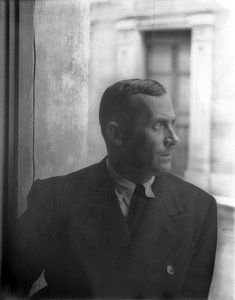
Joan Miró

Joan Miró

1893 - 1983 , Hiszpania

Krótka nota

  • Artistic Movement Or Style: Surrealizm
  • Artists Who Influenced This Artist:
    • Pablo Picasso
    • Wasilij Kandinskij
  • Date Of Birth: 20 kwietnia 1893
  • Date Of Death: 25 grudnia 1983
  • Full Name: Joan Miró i Ferrà
  • Nationality: Hiszpanka
  • Notable Artworks:
    • Farm
    • Dutch Interiors
    • Painting
  • Place Of Birth: Barcelona, Hiszpania

