x

Druk giclée lub płótno o jakości muzealnej, szybka realizacja i szeroki wybór opcji wykończenia. ( Zamów ręcznie malowaną reprodukcję Kup obraz wysokiej rozdzielczości)





























Wybierz spośród naszych standardowych rozmiarów, które zachowują oryginalne proporcje dzieła sztuki.

Możesz wprowadzić własne wymiary, aby dopasować dzieło do konkretnej ramy lub przestrzeni. Jeśli wybrany rozmiar nie będzie odpowiadał proporcjom oryginalnego obrazu, przytniecie dzieło lub rozszerzymy obraz za pomocą odbicia lustrzanego lub jednolitego wypełnienia krawędzi. Przed rozpoczęciem produkcji prześlemy cyfrową wizualizację do Twojej akceptacji.
Prosimy pamiętać, że podgląd na ekranie nie odzwierciedla faktycznego przycinania ani rozszerzania. Tylko wizualizacja dokładnie pokaże końcową kompozycję.
Mimo dostępności niestandardowych rozmiarów, zalecamy wybór wymiaru z listy zdefiniowanej, aby zachować oryginalne proporcje.
Dostawa na cały świat () w ciągu 2 tygodni zamiast standardowych 4/5 tygodni. (15 Sierpień)


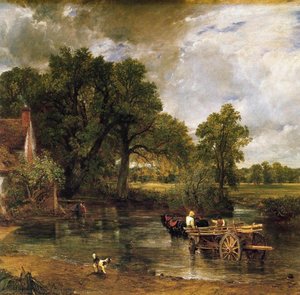
Pond in Branchhill
Wymiary reprodukcji
John Constable’s “Pond in Branchhill” isn’t simply a depiction of a picturesque valley; it’s a profound meditation on the relationship between humanity and the natural world, rendered with an almost unbearable tenderness. Painted during a period of immense personal and artistic growth for the Suffolk artist, this work embodies the core tenets of Constable's style – a meticulous observation of light, texture, and atmosphere combined with a deeply felt emotional response to the landscape. The scene unfolds within Dedham Vale, Constable’s beloved home and studio, a location that profoundly shaped his artistic vision. The painting captures a fleeting moment in rural life: a horse-drawn cart navigating a winding road alongside a tranquil river, figures engaged in everyday tasks, and the subtle drama of avian flight against a vast sky.
Constable’s approach to landscape painting was revolutionary for his time. He developed what became known as “The Constable Method,” a technique meticulously honed over years of observation. Rather than relying on idealized representations, he built up layers of thin washes of color, often applied directly from the tube, allowing the white of the canvas to peek through and create a luminous effect. This created an unparalleled sense of atmospheric depth and realism – particularly evident in the shimmering reflections on the water’s surface and the hazy distance of the hills. The brushwork is loose yet controlled, conveying both the solidity of the earth and the ephemeral quality of light. Note the subtle gradations of color used to depict the foliage, a testament to Constable's dedication to capturing the nuances of natural forms.
"Pond in Branchhill" emerged during the height of the Romantic movement in England. This artistic era prioritized emotion, imagination, and the sublime beauty of nature over classical ideals of order and reason. Constable’s work perfectly exemplifies this shift, moving away from the formal compositions favored by earlier landscape painters like Claude Lorrain to embrace a more subjective and emotionally resonant portrayal of the English countryside. The inclusion of human figures – engaged in labor and leisure – further emphasizes the importance of man's place within the natural world, reflecting Romantic concerns about the harmony between humanity and its environment.
Beyond a simple landscape view, “Pond in Branchhill” is rich with symbolic meaning. The river, a recurring motif in Constable’s work, represents the flow of time and life itself. The horse and cart symbolize the rhythms of rural existence – agriculture, trade, and community. The birds, soaring above, evoke notions of freedom and aspiration. More profoundly, the painting speaks to a deep sense of tranquility and connection with nature. It invites the viewer to step into Constable’s world, to share in his appreciation for the simple beauty of the English countryside, and to contemplate the enduring power of the natural world to inspire awe and serenity. The overall effect is one of profound peace and contemplation – a timeless reminder of the restorative qualities of the landscape.

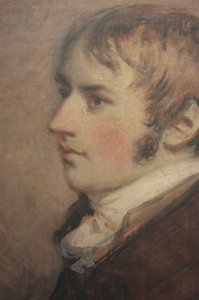
1776 - 1837 , Wielka Brytania

Explore the profound beauty of pastoral art history. From Arcadian myths to Impressionist mastery, discover how timeless landscapes capture nature's serenity and transform modern interiors with museum-quality, hand-painted oil reproductions.

Explore the profound legacy of British art history. From Constable's pastoral truths to Romanticism's sublime landscapes, discover the stories behind the masters and learn how to bring museum-quality oil reproductions into your home with Most-Famous-Paintings.


Bądź na bieżąco z najnowszymi wiadomościami ze świata sztuki, ekskluzywnymi ofertami i inspiracjami dekoratorskimi.
Opowiedz nam o swoim projekcie, a nasi eksperci przygotują dla Ciebie 3 spersonalizowane propozycje dzieł sztuki.
Przygotujemy dla Ciebie 3 propozycje zupełnie za darmo!


 Podgląd w skali
 Wyślij jako kartkę
 Udostępnij
 Szczegóły dzieła

 Pobierz
 Podobne obiekty
 RTG
RTG Pokaz slajdów

 Rozwiń treść







 Opcja ze szkłem jest dostępna wyłącznie w rozmiarach poniżej 110 cm