


x

 Olej na płótnieSztuka ściennaRealism
 1899– XIX wiek
 243.0 x 134.0 cm
 Galeria Sztuki i Muzeum Kelvingrove
Druk giclée lub płótno o jakości muzealnej, szybka realizacja i szeroki wybór opcji wykończenia. ( Zamów ręcznie malowaną reprodukcję Kup obraz wysokiej rozdzielczości)
Wybierz spośród naszych standardowych rozmiarów, które zachowują oryginalne proporcje dzieła sztuki.

Możesz wprowadzić własne wymiary, aby dopasować dzieło do konkretnej ramy lub przestrzeni. Jeśli wybrany rozmiar nie będzie odpowiadał proporcjom oryginalnego obrazu, przytniecie dzieło lub rozszerzymy obraz za pomocą odbicia lustrzanego lub jednolitego wypełnienia krawędzi. Przed rozpoczęciem produkcji prześlemy cyfrową wizualizację do Twojej akceptacji.
Prosimy pamiętać, że podgląd na ekranie nie odzwierciedla faktycznego przycinania ani rozszerzania. Tylko wizualizacja dokładnie pokaże końcową kompozycję.
Mimo dostępności niestandardowych rozmiarów, zalecamy wybór wymiaru z listy zdefiniowanej, aby zachować oryginalne proporcje.
Dostawa na cały świat () w ciągu 2 tygodni zamiast standardowych 4/5 tygodni. (23 Sierpień)


Sir David Richmond
Wymiary reprodukcji
The painting Sir David Richmond by John Singer Sargent stands as a powerful testament to the artist's exceptional skill in capturing not only physical likeness but also the essence of his subject’s character and social standing. Completed in 1899, this oil on canvas masterpiece, measuring 243 x 134 cm, resides within the esteemed Glasgow Art Gallery and Museum in Glasgow, United Kingdom.
John Singer Sargent (1856-1925) was a celebrated American artist renowned for his captivating portraits that exuded an air of elegance and sophistication. Born in Florence, Italy to American parents, Sargent’s itinerant childhood exposed him to diverse cultures and artistic influences across Europe. He studied under Carolus-Duran in Paris, mastering techniques that would define his career. Sargent became the preeminent portrait painter of his generation, sought after by prominent figures eager to secure a likeness reflecting their status and personality. Sir David Richmond exemplifies Sargent’s ability to blend realism with artistic flair, solidifying his legacy as a master of the genre.
The painting depicts Sir David Richmond, a distinguished figure in formal attire. He is portrayed standing confidently before a classical pillar, creating a sense of timeless authority. The focal point is his striking red coat, meticulously detailed with gold trim and showcasing the richness of the fabric through Sargent’s masterful brushwork. The use of light and shadow dramatically highlights Richmond's face and upper body, drawing the viewer's eye to his expression – one that conveys both dignity and a hint of contemplation. The background, subtly rendered, avoids distraction while providing depth and structure to the composition. Sargent’s attention to detail extends beyond the clothing; the texture of the pillar and the subtle nuances of Richmond’s features are all captured with remarkable precision.
Sir David Richmond is a prime example of Sargent’s adherence to realism, a style emphasizing accurate representation. The painting reflects the artistic trends prevalent in the United Kingdom during the 19th century, particularly the resurgence of portraiture and its association with depicting social status. The late Victorian and Edwardian eras valued formality and tradition, which is clearly reflected in this portrait. Sargent’s work aligns with this cultural climate, capturing a moment in time when individuals sought to immortalize their position within society through art. The painting's presence at the Glasgow Art Gallery and Museum further underscores its significance within British art history.
Beyond the technical brilliance, Sir David Richmond carries symbolic weight. The military uniform and decorations signify power, rank, and a connection to public service – Sir David Richmond served as Lord Provost of Glasgow. The overall impression is one of quiet authority and unwavering resolve. Sargent’s ability to convey these qualities through subtle nuances in expression and posture elevates the portrait beyond a mere likeness; it becomes an enduring representation of leadership and civic responsibility. The painting evokes a sense of admiration for a man who held a position of considerable influence, offering viewers a glimpse into the world of Edwardian aristocracy.

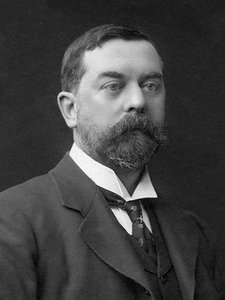
1856 - 1925 , Włochy

Explore the profound impact of 19th-century Realism. Discover how masters like Gustave Courbet rejected idealism to capture the raw truth of contemporary life through direct observation and social commentary in this expert art history guide.


Bądź na bieżąco z najnowszymi wiadomościami ze świata sztuki, ekskluzywnymi ofertami i inspiracjami dekoratorskimi.
Opowiedz nam o swoim projekcie, a nasi eksperci przygotują dla Ciebie 3 spersonalizowane propozycje dzieł sztuki.
Przygotujemy dla Ciebie 3 propozycje zupełnie za darmo!


 Podgląd w skali
 Wyślij jako kartkę
 Udostępnij
 Szczegóły dzieła

 Pobierz
 Podobne obiekty
 RTG
RTG Pokaz slajdów
 Rozwiń treść




































 Opcja ze szkłem jest dostępna wyłącznie w rozmiarach poniżej 110 cm


