x

 1987
1987 20.0 x 13.0 cm
 Auckland Art Gallery Toi o Tāmaki
Kup wysokiej rozdzielczości, ulepszony obraz cyfrowy o znacznie wyższej jakości niż podgląd online.
Każdy plik jest starannie przygotowywany przez naszych specjalistów przy użyciu zaawansowanych narzędzi oraz profesjonalnej, ręcznej retuszy. Dbamy o to, aby każdy obraz cechował się wyjątkową ostrością, precyzyjnym odwzorowaniem kolorów i subtelnymi detalami.
Ostateczny plik dostarczany jest drogą mailową w ciągu 72 godzin, zoptymalizowany do natychmiastowego wykorzystania w profesjonalnych zastosowaniach redakcyjnych i poligraficznych. To ta sama jakość, której ufają czołowe studia projektowe, wydawnictwa oraz galerie sztuki.
Pobierz plik o wysokiej rozdzielczości do osobistego wyświetlania, druku oraz projektów kreatywnych. ( Zamów wydruk Przełącz na obraz ręcznie malowany)
Wybierając Most-Famous-Paintings.com, nie otrzymujesz jedynie obrazu – otrzymujesz profesjonalnie udoskonalone cyfrowe dzieło sztuki, stworzone z najwyższą precyzją i objęte gwarancją satysfakcji. Oto wszystko, co automatycznie dołączane jest do Twojego zamówienia:

Plik z obrazem cyfrowym w wysokiej rozdzielczości zostanie przesłany na Twój adres e-mail w ciągu 72 godzin od złożenia zamówienia – gotowy do natychmiastowego użycia.

Twoja grafika została profesjonalnie zoptymalizowana przy użyciu zaawansowanych narzędzi AI oraz ręcznej edycji, co zapewnia maksymalną szczegółowość, klarowność i wierność kolorów.

Przypadkowo usunąłeś lub zgubiłeś swój plik? Bez obaw – prześlemy go Tobie ponownie w dowolnym momencie, bez żadnych opłat.

Ciesz się swoją sztuką natychmiast, bez żadnych opłat celnych, należności ani kosztów dostawy – pliki cyfrowe są zawsze wolne od podatku.

Dzięki zastosowaniu profesjonalnych narzędzi i procesów zarządzania barwą zapewniamy, że Twoje cyfrowe zdjęcie odzwierciedla oryginalne kolory tak wiernie, jak to tylko możliwe.

Jeśli nie będziesz zadowolony ze swojego cyfrowego obrazu, dokonamy jego poprawki lub zwrócimy 100% kosztów w ciągu 60 dni – bez żadnych pytań.

Nie jesteś zadowolony? Otrzymaj pełny zwrot kosztów w ciągu 60 dni od otrzymania pliku cyfrowego – bez zbędnych pytań.

Kup 3 obrazy, oszczędź 10% - Kup 5, oszczędź 15% - Kup 10+, oszczędź 20%. Idealne do projektów kreatywnych, galerii i agencji.

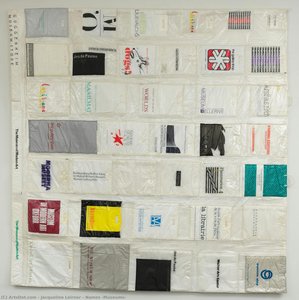
Julian Dashper (1960–2009) stood as one of New Zealand’s most profound contemporary voices, an artist whose practice functioned as a sophisticated bridge between the local landscape and the global currents of art history. Born in Auckland, Dashper possessed a rare ability to navigate the tension between Aotear and the wider world, exploring how visual information is received, disseminated, and reinterpreted across geographical boundaries. His work was never merely about the creation of objects; rather, it was an intellectual inquiry into the very nature of seeing. To look at a Dashper piece is to engage with a self-conscious dialogue, where the artist’s hand meets the weight of modernist tradition, questioning how much of our understanding of "great art" is shaped by the reproductions and catalogues that reach us from afar.
His artistic journey began in the vibrant, transformative atmosphere of the late 1970s and early 1980s at the Elam School of Fine Arts, University of Auckland. During these formative years, Dashper’s practice emerged through the lens of expressive abstraction, a style that mirrored the burgeoning influences of European Minimalism and American Conceptualism. However, even in these early stages, a distinct conceptual rigor was evident. He did not simply paint; he interrogated the medium itself. As his career progressed, his focus shifted from the purely formal properties of paint to a more complex investigation of seriality and repetition. This evolution saw him move away from the singular, heroic gesture toward meticulously crafted installations and multi-media projects that challenged the boundaries between painting, sculpture, and performance.
One of the most captivating dimensions of Dashper’s oeuvre was his fascination with the concept of the series. He utilized repetition not as a way to create monotony, but as a tool to explore rhythm, memory, and the persistence of imagery. This is perhaps most famously embodied in his ambitious project, The Big Bang Theory. In this work, Dashper moved beyond the canvas to incorporate drum-kit installations, creating a sensory experience that merged visual abstraction with the visceral energy of sound. These works were not merely visual representations but were deeply embedded in the idea of performance and the temporal nature of art. His practice frequently expanded into other realms, including:
Through these varied mediums, Dashper maintained a consistent preoccupation with how art exists within its environment. He was acutely aware of the artist's role within the market and the institution, often using wry, conceptual approaches to critique or celebrate the structures that house creativity. His work functioned as a mirror, reflecting both the prestige and the limitations of the art world.
Dashper’s influence extended far beyond the shores of New Zealand. His pursuit of international dialogue led him to prestigious opportunities, most notably a Senior Fulbright Fellowship and a residency at the Chinati Foundation in Marfa, Texas, in 2001. This period in the American desert, a landscape synonymous with Minimalism, further refined his understanding of how scale and site-specificity interact with abstract form. His ability to hold his own within this global context earned him significant recognition, with his work being featured in major exhibitions across America and Australia, including notable showcases in Sydney and Sioux City.
Despite his untimely passing in 2009, the historical significance of Julian Dashper remains undiminished. He left behind a legacy that continues to challenge how we perceive the relationship between the local and the universal. By treating New Zealand’s geographical position not as an isolation, but as a unique vantage point from which to view the world, he redefined the possibilities for contemporary Pacific art. His work remains a vital testament to the power of intellectual curiosity, reminding us that art is not just a window into beauty, but a complex, ongoing conversation with history, culture, and the very way we perceive our place in the universe.

1960 - 2009 , New Zealand


Bądź na bieżąco z najnowszymi wiadomościami ze świata sztuki, ekskluzywnymi ofertami i inspiracjami dekoratorskimi.
Opowiedz nam o swoim projekcie, a nasi eksperci przygotują dla Ciebie 3 spersonalizowane propozycje dzieł sztuki.
Przygotujemy dla Ciebie 3 propozycje zupełnie za darmo!


 Podgląd w skali
 Wyślij jako kartkę
 Udostępnij
 Szczegóły dzieła

 Pobierz
 Podobne obiekty
 RTG
RTG Pokaz slajdów
 Rozwiń treść