


x

 Oil On CanvasWallArtBaroque Painting
 1630
1630 123.0 x 95.0 cm
 Muzeum Sztuki w Budapeszcie
Ręcznie malowany obraz olejny na płótnie, wykonany na zamówienie przez naszych artystów w wybranym przez Ciebie wymiarze i oprawie. ( Przełącz na wydruk Przełącz na obraz)





























Wybierz spośród naszych standardowych rozmiarów, które zachowują oryginalne proporcje dzieła sztuki.

Możesz wprowadzić własne wymiary, aby dopasować obraz do konkretnej ramy lub przestrzeni. Jeśli wybrany rozmiar nie będzie odpowiadał proporcjom oryginału, przytniecie dzieło sztuki lub rozszerzymy je o dodatkowe elementy, ręcznie domalowane przez artystę. Przed rozpoczęciem produkcji wyślemy projekt cyfrowy do Twojej akceptacji.
Należy pamiętać, że podgląd na ekranie nie odzwierciedla rzeczywistego przycinania ani rozszerzania obrazu. Tylko projekt dokładnie pokaże ostateczną kompozycję.
Choć oferujemy możliwość zamówienia niestandardowych rozmiarów, zalecamy wybór wymiaru z gotowej listy, aby zachować oryginalne proporcje dzieła.
Dostawa na całym świecie () w ciągu 3–4 tygodni zamiast standardowych 5 tygodni. (6 Sierpień). Bez kompromisów w kwestii jakości.


Saint Jerome
Rozmiar reprodukcji
Jusepe de Ribera's "Saint Jerome," painted circa 1638-40, isn’t merely a portrait; it’s an immersion into the soul of a man wrestling with divine purpose and earthly suffering. This monumental work, currently residing in the Cleveland Museum of Art, exemplifies Ribera’s signature style – a dramatic blend of tenebrism, raw realism, and profound spiritual intensity that secured his place as one of the most significant artists of the Spanish Baroque era. More than just depicting a biblical figure, Ribera captures a universal struggle with faith, repentance, and the burden of divine responsibility.
The painting immediately commands attention through its masterful use of light and shadow. Ribera employs a technique known as chiaroscuro – a stark contrast between intensely illuminated areas and deep, enveloping darkness – to sculpt the figure of Saint Jerome from the gloom. The saint’s face, partially obscured by shadow, is rendered with an almost photographic realism, capturing every wrinkle, furrow, and the haunted expression etched upon his brow. This deliberate obscurity draws the viewer in, forcing a contemplative engagement with the subject's inner turmoil.
Saint Jerome, traditionally depicted as the hermit who translated the Bible into Latin, is presented here not as a serene scholar but as a man consumed by his task. He’s shown in a desolate landscape – a barren desert, rendered with muted browns and ochres – beating his breast with a stone, an act of self-flagellation symbolizing repentance and devotion. The inclusion of a skull beneath his hand is a potent reminder of mortality and the vanity of earthly pursuits, urging viewers to contemplate their own spiritual journeys.
The composition itself is carefully constructed to amplify this sense of drama. Ribera utilizes a pyramidal structure, with Jerome’s figure forming the apex, drawing the eye upwards and emphasizing his importance within the scene. The outstretched hand holding a scroll – bearing the words of the Vulgate Bible – represents not just the accomplishment of translating scripture but also the weight of that responsibility. It's a visual declaration of faith undertaken with profound humility.
Ribera’s style is deeply rooted in the artistic innovations of Michelangelo Merisi da Caravaggio, whom he encountered and profoundly admired during his time in Rome. Like Caravaggio, Ribera favored dramatic lighting, intense realism, and a focus on human emotion. However, Ribera infused this Italian influence with distinctly Spanish sensibilities – a heightened sense of drama, a darker palette, and an unflinching portrayal of the human condition. The painting’s somber mood reflects the prevailing religious fervor and social anxieties of 17th-century Spain.
Born in Xativa, Valencia, in 1591, Ribera's life was marked by hardship and exile. He spent much of his career in Naples, where he established a prolific workshop and cultivated a devoted following. His paintings often depict scenes of martyrdom, poverty, and religious ecstasy – subjects that resonated deeply with the social realities of the time. “Saint Jerome” is a testament to Ribera’s ability to transform historical narratives into emotionally resonant works of art.
“Saint Jerome” transcends its biblical subject matter, offering a timeless meditation on faith, repentance, and the human struggle for spiritual understanding. The painting's power lies not just in its technical brilliance but also in its ability to evoke a profound sense of empathy and contemplation. It’s a work that invites viewers to consider their own relationship with faith, mortality, and the enduring weight of responsibility – a truly remarkable achievement of the Spanish Baroque.


1591 - 1652 , Hiszpania

Odkryj 25 najpiękniejszych arcydzieł Claude Moneta – impresjonistycznych pejzaży, nymfeii i słonecznych krajobrazów. Poznaj historię sztuki i zainspiruj się do dekoracji wnętrz z Most-Famous-Paintings.com! Eksploruj pełną kolekcję online.
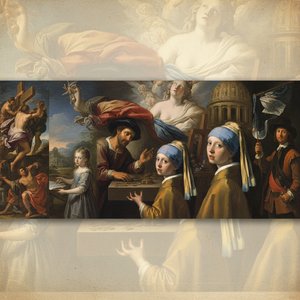
Odkryj 10 arcydzieł baroku! Caravaggio, Rembrandt, Rubens i inni artyści, którzy zdefiniowali epokę. Poznaj historie, techniki i inspiracje tych niezwykłych obrazów. Reprodukcje najwyższej jakości na Most-Famous-Paintings.com – idealne do Twojego wnętrza!
Odkryj 25 arcydzieł Alte Pinakothek w Monachium! Poznaj historię Rembrandta, Rubensa i Dürera. Reprodukcje obrazów najwyższej jakości dla Twojego wnętrza. Inspiracje i dekoracje ścienne na Most-Famous-Paintings.com

Odkryj 10 arcydzieł malarstwa barokowego! Caravaggio, Rembrandt, Rubens i inni mistrzowie. Poznaj historie, techniki i dramatyzm w sztuce. Reprodukcje obrazów najwyższej jakości na Most-Famous-Paintings.com – zainspiruj się i udekoruj swoje wnętrze!

Odkryj fascynujący świat chiaroscuro – techniki malarskiej mistrzów baroku! Poznaj Caravaggia, Rembrandta i Zurbarána. Analiza obrazów, historia sztuki i wpływ światłocienia na emocje. Zainspiruj się!


Bądź na bieżąco z najnowszymi wiadomościami ze świata sztuki, ekskluzywnymi ofertami i inspiracjami dekoratorskimi.
Opowiedz nam o swoim projekcie, a nasi eksperci przygotują dla Ciebie 3 spersonalizowane propozycje dzieł sztuki.
Pozwól nam przygotować 3 propozycje specjalnie dla Ciebie – za darmo!


 Podgląd w skali
 Wyślij
 Udostępnij
 Szczegóły

 Pobierz plik obrazu
 Podobne obiekty
 RTG
RTG Pokaz slajdów
 Czytaj więcej







 Opcja ze szkłem jest dostępna wyłącznie w rozmiarach poniżej 110 cm


