


x

Druk giclée lub płótno o jakości muzealnej, szybka realizacja i szeroki wybór opcji wykończenia. ( Zamów ręcznie malowaną reprodukcję Kup obraz wysokiej rozdzielczości)





























Wybierz spośród naszych standardowych rozmiarów, które zachowują oryginalne proporcje dzieła sztuki.

Możesz wprowadzić własne wymiary, aby dopasować dzieło do konkretnej ramy lub przestrzeni. Jeśli wybrany rozmiar nie będzie odpowiadał proporcjom oryginalnego obrazu, przytniecie dzieło lub rozszerzymy obraz za pomocą odbicia lustrzanego lub jednolitego wypełnienia krawędzi. Przed rozpoczęciem produkcji prześlemy cyfrową wizualizację do Twojej akceptacji.
Prosimy pamiętać, że podgląd na ekranie nie odzwierciedla faktycznego przycinania ani rozszerzania. Tylko wizualizacja dokładnie pokaże końcową kompozycję.
Mimo dostępności niestandardowych rozmiarów, zalecamy wybór wymiaru z listy zdefiniowanej, aby zachować oryginalne proporcje.
Dostawa na cały świat () w ciągu 2 tygodni zamiast standardowych 4/5 tygodni. (23 Sierpień)


David, 1600 (Davida, 1600)
Wymiary reprodukcji
Michelangelo Merisi da Caravaggio’s *David*, painted in the year 1600, isn't merely a depiction of biblical heroism; it’s a profound exploration of human psychology and faith rendered with an unparalleled mastery of technique. This monumental canvas transcends simple narrative representation, plunging us directly into the heart of David’s internal struggle – a young man grappling with the weighty consequences of his victory over Goliath. Caravaggio, a revolutionary figure in the burgeoning Baroque era, achieved this through his signature chiaroscuro, a dramatic manipulation of light and darkness that serves as far more than just an aesthetic choice; it's a visceral embodiment of David’s apprehension and determination.
The painting is dominated by an oppressive darkness, punctuated by intensely focused beams of illumination. Unlike the idealized lighting favored by earlier Renaissance artists, Caravaggio deliberately plunges his subjects into shadow, creating a palpable tension that draws our eye relentlessly to the focal point: Goliath’s severed head, bathed in an almost supernatural glow. This effect wasn't achieved through simple brushwork; it was painstakingly crafted through meticulous observation of natural light sources, meticulously recreating shadows that seem to emanate from within the figures themselves. This commitment to realism – a radical departure from the conventions of Mannerism – cemented Caravaggio’s reputation as a pioneer of Baroque painting and established *David* as a cornerstone of his artistic legacy.
Caravaggio emerged during a period of dramatic artistic transition, witnessing the waning influence of Renaissance humanism and the rise of the fervent spirituality and grandeur characteristic of the Baroque. The Catholic Church, still reeling from the Protestant Reformation, sought visual representations that would inspire piety and reaffirm its authority. *David* perfectly captures this mood – portraying David not as a triumphant warrior celebrating victory, but as a young man wrestling with moral responsibility, humbled by experience yet resolute in his faith. The commission itself came from Cardinal Francesco Maria Del Monte, a prominent patron of the arts who recognized and championed Caravaggio’s innovative style, effectively launching him onto the international stage. The painting's placement within Del Monte’s villa underscores the crucial role of artistic patronage in shaping artistic trends during this transformative period.
More than a straightforward retelling of the biblical story, *David* operates on multiple symbolic levels. The enveloping darkness isn't simply physical obscurity; it represents psychological introspection—the contemplation of consequences and the burden of heroism. Goliath’s luminous head symbolizes vanquished evil, yet Caravaggio subtly undermines conventional notions of triumph by depicting it with unsettling realism – a stark reminder of mortality and the vulnerability inherent in even the most formidable adversaries. The inclusion of a wound on Goliath's forehead serves as a poignant visual metaphor for the fragility of life and the inevitability of death. Furthermore, Caravaggio’s deliberate choice to obscure David’s face with shadow suggests that true heroism lies not in outward bravado but in inner fortitude and moral integrity – a message powerfully conveyed through the painting’s evocative atmosphere.
*David*, like many of Caravaggio's paintings, evokes a profound and visceral emotional response. His ability to convey complex psychological drama is unparalleled, capturing subtle nuances of emotion with astonishing accuracy. The painting compels us to confront uncomfortable truths about human nature – our capacity for both courage and moral ambiguity – and challenges our preconceived notions of heroism. It remains a powerful reminder that beauty can coexist with darkness, and that true greatness resides in confronting one’s fears and accepting responsibility for one's actions. The enduring fascination with *David* testifies to Caravaggio’s genius as both an artist and a storyteller, a legacy that continues to inspire awe and admiration centuries after its creation.

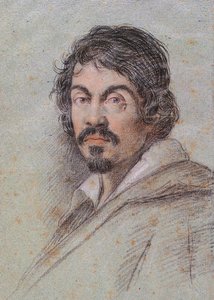
1571 - 1610 , Hiszpania

Explore the profound elegance of Baroque Classicism. Discover how 17th-century masters synthesized dramatic emotion with classical order through the lens of the Counter-Reformation and the works of legends like Carlo Maratta and Andrea Sacchi.

Explore the profound drama of 17th-century Baroque art. Discover how masters used chiaroscuro, movement, and emotional intensity to redefine history through the lens of the Counter-Reformation. An expert guide for art historians and collectors seeking deep cultural insight.


Bądź na bieżąco z najnowszymi wiadomościami ze świata sztuki, ekskluzywnymi ofertami i inspiracjami dekoratorskimi.
Opowiedz nam o swoim projekcie, a nasi eksperci przygotują dla Ciebie 3 spersonalizowane propozycje dzieł sztuki.
Przygotujemy dla Ciebie 3 propozycje zupełnie za darmo!


 Podgląd w skali
 Wyślij jako kartkę
 Udostępnij
 Szczegóły dzieła

 Pobierz
 Podobne obiekty
 RTG
RTG Pokaz slajdów

 Rozwiń treść







 Opcja ze szkłem jest dostępna wyłącznie w rozmiarach poniżej 110 cm


