


x

Ręcznie malowany obraz olejny na płótnie, wykonany na zamówienie przez naszych artystów w wybranym przez Ciebie wymiarze i oprawie. ( Zamów wydruk Kup obraz wysokiej rozdzielczości)





























Wybierz spośród naszych standardowych rozmiarów, które zachowują oryginalne proporcje dzieła sztuki.

Możesz wprowadzić własne wymiary, aby dopasować obraz do konkretnej ramy lub przestrzeni. Jeśli wybrany rozmiar nie będzie odpowiadał proporcjom oryginału, przytniecie dzieło sztuki lub rozszerzymy je o dodatkowe elementy, ręcznie domalowane przez artystę. Przed rozpoczęciem produkcji wyślemy projekt cyfrowy do Twojej akceptacji.
Należy pamiętać, że podgląd na ekranie nie odzwierciedla rzeczywistego przycinania ani rozszerzania obrazu. Tylko projekt dokładnie pokaże ostateczną kompozycję.
Choć oferujemy możliwość zamówienia niestandardowych rozmiarów, zalecamy wybór wymiaru z gotowej listy, aby zachować oryginalne proporcje dzieła.
Dostawa na całym świecie () w ciągu 3–4 tygodni zamiast standardowych 5 tygodni. (14 Sierpień). Bez kompromisów w kwestii jakości.


Projekt Chopin
Wymiary reprodukcji
Leon Urbanski (1926 – 1998) stands as a monumental figure in the history of Polish graphic design and typography, shaping the visual landscape of his nation for decades. Born in Tarnów, Poland, Urbanski’s artistic journey began amidst the turbulent backdrop of post-war Europe, fostering an unwavering dedication to craftsmanship and innovation that would define his prolific career. He was far more than a mere designer; he was a storyteller who meticulously crafted images and lettering to convey profound meaning and emotion—a legacy that continues to inspire contemporary artists today.
His formative years were deeply marked by exposure to the powerful currents of European avant-garde movements, particularly Surrealism and Constructivism. These influences instilled in him a lifelong belief in experimentation and a resolute rejection of decorative excess, prioritizing clarity, functionality, and structural integrity as his guiding principles. While studying at the Kraków Academy of Fine Arts, he honed his skills in painting and drawing, gaining a foundational understanding of visual composition that would later breathe life into his typographic endeavors. Notably, Urbanski collaborated closely with Leon Kozłowski, another prominent Polish artist and educator, whose mentorship solidified Urbanski's commitment to intellectual rigor alongside aesthetic sensitivity.
Urbanski’s true brilliance resided in his unparalleled mastery of typography, where he transformed the printed word into a visual experience. He embarked on a remarkable career designing over 200 books—a staggering accomplishment that cemented his reputation as Poland's foremost book designer. His approach was never simply about the arrangement of text; rather, it was about creating a rhythmic, visual dialogue between words and images, reflecting the unique spirit of each project with meticulous attention to detail. Renowned publishers such as Ossolineum, Państwowy Instytut Wydawniczy, Wydawnictwo Iskry, Wydawnictwo Czytelnik, and Nasza Księgarnia all benefited immensely from his expertise, commissioning him to create works that were as intellectually profound as they were aesthetically striking.
In his more ephemeral works, Urbanski demonstrated a remarkable ability to elevate even the smallest medium. His collection of over 100 low-circulation ephemera—including invitations, programs, and greeting cards created between the early 1960s and the early 1990s—serves as a testament to his versatility. Many of these pieces were commissioned for high-level diplomatic meetings and international delegations, making them rare historical documents that capture the social and organizational fabric of Poland during that era. In these works, he often drew upon Renaissance printing traditions and utilized the ancient Greek principle of the "golden ratio," ensuring that even a simple invitation possessed a timeless, classical harmony.
Perhaps his most celebrated achievement is the Chopin Stamp Design, a project commissioned by the Fryderyk Chopin Institute in Warsaw. This artwork encapsulates the very essence of his stylistic approach, demanding a delicate balance between honoring Poland's musical heritage and communicating its ethereal spirit through visual representation. To achieve this, Urbanski skillfully employed a monochrome halftone technique, mirroring the muted, nostalgic tones found in vintage printing processes. This method allowed him to create an illusionistic detail that felt both modern and deeply rooted in artistic tradition.
The historical significance of Leon Urbanski lies in his ability to bridge the gap between fine art and functional design. His work remains a cornerstone of Polish graphic identity, characterized by:

1926 - 1998 , Poland

Odkryj, jak reprodukcje malarskie podnoszą prestiż hoteli i budują luksusowy klimat. Porady ekspertów o ekologicznym designie wnętrz i wyborze sztuki dopasowanej do Twojego obiektu. Zainspiruj się!
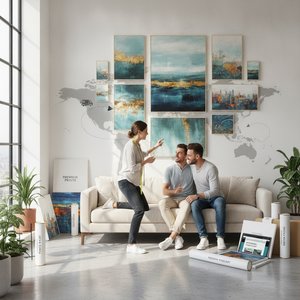
Wysokiej jakości reprodukcje obrazów na płótnie od Most-Famous-Paintings – idealne rozwiązanie dla freelancerów dekorator wnętrz. Ręcznie malowane obrazy, portrety na zamówienie i ekspert artystyczny. Stwórz niezapomniane wnętrza z naszymi arcydziełami!

Odkryj sztukę jako klucz do prestiżu hotelu! Studium przypadków, minimalizacja ryzyka i profesjonalne doradztwo Most-Famous-Paintings. Reprodukcje arcydzieł dopasowane do Twojej wizji wnętrza. Zwiększ wartość marki dzięki ikonicznym dziełom.

Przewodnik dla projektantów hoteli: jak wykorzystać ponadczasową sztukę do stworzenia wyjątkowej atmosfery. Reprodukcje najwyższej jakości, personalizacja i profesjonalne doradztwo od Most-Famous-Paintings.com.
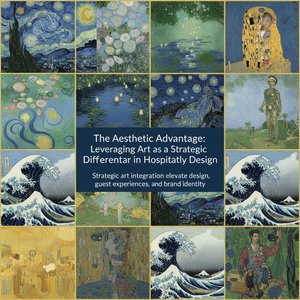
Odkryj, jak sztuka może stać się kluczowym elementem strategii różnicującej Twój hotel. Eksperckie porady dotyczące wyboru, zarządzania i inwestycji w kolekcje sztuki dla luksusowych wnętrz i niezapomnianych doświadczeń gości.


Bądź na bieżąco z najnowszymi wiadomościami ze świata sztuki, ekskluzywnymi ofertami i inspiracjami dekoratorskimi.
Opowiedz nam o swoim projekcie, a nasi eksperci przygotują dla Ciebie 3 spersonalizowane propozycje dzieł sztuki.
Przygotujemy dla Ciebie 3 propozycje zupełnie za darmo!


 Podgląd w skali
 Wyślij jako kartkę
 Udostępnij
 Szczegóły dzieła

 Pobierz
 Podobne obiekty
 RTG
RTG Pokaz slajdów

 Rozwiń treść







 Opcja ze szkłem jest dostępna wyłącznie w rozmiarach poniżej 110 cm


