


x
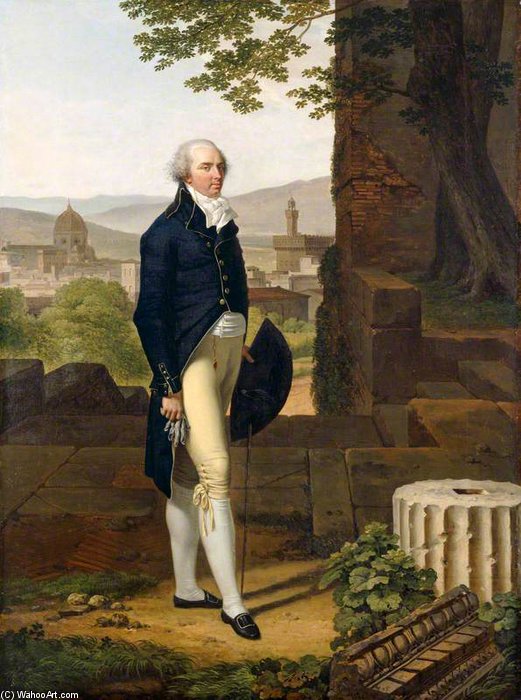
Ręcznie malowany obraz olejny na płótnie, wykonany na zamówienie przez naszych artystów w wybranym przez Ciebie wymiarze i oprawie. ( Zamów wydruk Kup obraz wysokiej rozdzielczości)
Wybierz spośród naszych standardowych rozmiarów, które zachowują oryginalne proporcje dzieła sztuki.

Możesz wprowadzić własne wymiary, aby dopasować obraz do konkretnej ramy lub przestrzeni. Jeśli wybrany rozmiar nie będzie odpowiadał proporcjom oryginału, przytniecie dzieło sztuki lub rozszerzymy je o dodatkowe elementy, ręcznie domalowane przez artystę. Przed rozpoczęciem produkcji wyślemy projekt cyfrowy do Twojej akceptacji.
Należy pamiętać, że podgląd na ekranie nie odzwierciedla rzeczywistego przycinania ani rozszerzania obrazu. Tylko projekt dokładnie pokaże ostateczną kompozycję.
Choć oferujemy możliwość zamówienia niestandardowych rozmiarów, zalecamy wybór wymiaru z gotowej listy, aby zachować oryginalne proporcje dzieła.
Dostawa na całym świecie () w ciągu 3–4 tygodni zamiast standardowych 5 tygodni. (20 Sierpień). Bez kompromisów w kwestii jakości.


Godfrey Webster
Wymiary reprodukcji

The life of Louis Gauffier was a poignant tapestry woven from the threads of classical grandeur and the turbulent realities of a continent in upheaval. Born in 1762 in the quiet French city of Poitiers, Gauffier’s early years were defined by a rigorous pursuit of excellence under the watchful eye of the esteemed history painter Hugues Taraval. This foundational training in Paris instilled within him a profound respect for classical composition and the meticulous observation of detail—virtues that would later allow him to capture both the epic scale of biblical narratives and the intimate nuances of a human face. His ascent was swift; by winning the prestigious Prix de Rome in 1779 with his evocative work, Christ and the Woman of Canaan, Gauffier secured his passage to Italy, a move that would irrevocably alter the trajectory of his soul and his brush.
As he settled into the vibrant artistic atmosphere of Rome, Gauffier found himself at the intersection of antiquity and modernity. The influence of figures like Thomas Hope, a collector of immense breadth, expanded his artistic horizons beyond the mere imitation of the past. Through such encounters, Gauffier’s work began to absorb the textures of antique décor and the elegance of classical motifs. However, the winds of the French Revolution brought with them a chilling instability. The execution of Louis XVI and the subsequent political tremors forced Gauffier into a life of exile. Fleeing the escalating tensions in Paris, he and his wife, the talented painter Pauline Chatillon, sought refuge in Florence. This period of displacement, while fraught with personal uncertainty, became the crucible in which his most enduring style was forged.
In the sun-drenched landscapes of Tuscany, Gauffier found a sanctuary that political turmoil could not touch. Denied the traditional French patronage due to his branding as a royalist, he pivoted from the grand, often demanding stage of history painting toward the serene and enduring beauty of the natural world. This transition was not merely a survival tactic but an artistic evolution. He began to produce landscapes that resonated deeply with the sensibilities of English tourists traversing the continent, capturing the ethereal light and pastoral tranquility of the Italian countryside. His canvases became windows into a world of peace, characterized by a masterful command of color and a luminosity reminiscent of the great Claude Lorrain.
His later years in Italy saw a fascinating stylistic duality. While his landscapes offered a respite from the chaos of the Napoleonic era, the arrival of French troops in Florence in 1799 prompted a return to the human figure through portraiture. He became a sought-after painter of officers, capturing the military elegance and the subtle psychological depth of those stationed in Italy. This period of his work showcases a remarkable versatility:
Though his life was cut short in 1801 in Livorno, Louis Gauffier left behind a legacy that transcends the mere documentation of a turbulent era. He remains a vital link in the chain of Neoclassical art, representing the bridge between the formal academic traditions of late 18th-century France and the romanticized, light-filled landscapes of the Italian tradition. His ability to find beauty amidst displacement—to transform the necessity of exile into an opportunity for stylistic rebirth—serves as a testament to the resilience of the creative spirit. Today, his works stand as silent witnesses to a vanished world, inviting modern viewers to experience the same sense of wonder and tranquility that once guided his brush across the Tuscan plains.

1762 - 1801 , France


Bądź na bieżąco z najnowszymi wiadomościami ze świata sztuki, ekskluzywnymi ofertami i inspiracjami dekoratorskimi.
Opowiedz nam o swoim projekcie, a nasi eksperci przygotują dla Ciebie 3 spersonalizowane propozycje dzieł sztuki.
Przygotujemy dla Ciebie 3 propozycje zupełnie za darmo!


 Podgląd w skali
 Wyślij jako kartkę
 Udostępnij
 Szczegóły dzieła

 Pobierz
 Podobne obiekty
 RTG
RTG Pokaz slajdów
 Rozwiń treść




































 Opcja ze szkłem jest dostępna wyłącznie w rozmiarach poniżej 110 cm


