x

Ręcznie malowany obraz olejny na płótnie, wykonany na zamówienie przez naszych artystów w wybranym przez Ciebie wymiarze i oprawie. ( Zamów wydruk Kup obraz wysokiej rozdzielczości)





























Wybierz spośród naszych standardowych rozmiarów, które zachowują oryginalne proporcje dzieła sztuki.

Możesz wprowadzić własne wymiary, aby dopasować obraz do konkretnej ramy lub przestrzeni. Jeśli wybrany rozmiar nie będzie odpowiadał proporcjom oryginału, przytniecie dzieło sztuki lub rozszerzymy je o dodatkowe elementy, ręcznie domalowane przez artystę. Przed rozpoczęciem produkcji wyślemy projekt cyfrowy do Twojej akceptacji.
Należy pamiętać, że podgląd na ekranie nie odzwierciedla rzeczywistego przycinania ani rozszerzania obrazu. Tylko projekt dokładnie pokaże ostateczną kompozycję.
Choć oferujemy możliwość zamówienia niestandardowych rozmiarów, zalecamy wybór wymiaru z gotowej listy, aby zachować oryginalne proporcje dzieła.
Dostawa na całym świecie () w ciągu 3–4 tygodni zamiast standardowych 5 tygodni. (18 Sierpień). Bez kompromisów w kwestii jakości.


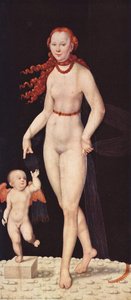
The Three Graces
Wymiary reprodukcji
In the quiet halls of the Nelson-Atkins Museum of Art, Lucas Cranach the Elder’s "The Three Graces" stands as a breathtaking testament to the enduring allure of the German Renaissance. Painted around 1535, this masterpiece transcends its era to offer a timeless meditation on femininity, grace, and the divine. The composition presents three ethereal figures, stripped of worldly adornment, standing in a poised arrangement against a deep, velvety black background. This stark contrast serves a profound purpose: it pushes the luminous skin of the women toward the viewer, creating an intimate encounter that feels both immediate and otherworldly. Each figure is captured in a moment of quiet confidence, their hands resting elegantly on their hips, embodying a sense of dignity that speaks to the humanist ideals flourishing during the sixteenth century.
The technical brilliance of Cranach lies in his ability to marry the precision of Northern European realism with a soft, almost dreamlike atmosphere. Through the masterful application of sfumato, the artist subtly blurs the contours of the bodies, allowing light to dance across the curves of their forms and creating a sense of palpable warmth. His palette is a sophisticated study in restraint; by utilizing muted earthy browns, creams, and soft flesh tones, Cranach ensures that the viewer's focus remains entirely on the sculptural beauty of the subjects. This delicate handling of oil on panel allows for a luminous depth, where the light seems to emanate from within the figures themselves, inviting the observer into a state of quiet contemplation.
Beyond its striking visual impact, "The Three Graces" is a rich tapestry of mythological and spiritual symbolism. The subjects are widely identified as the daughters of Zeus—Euphrosyne, Aglaea, and Thalia—the classical personifications of joy, splendor, and youthful beauty. Yet, Cranach imbues these pagan archetypes with a layer of Christianized grace suitable for his contemporary audience. The presence of small birds perched near the figures acts as a subtle metaphor for spiritual aspiration and the lightness of the soul, elevating the scene from a mere study of the human form to a higher plane of existence. This duality—the intersection of classical myth and Renaissance spirituality—is what gives the painting its profound emotional resonance.
For the discerning collector or interior designer, this artwork offers more than just aesthetic pleasure; it provides a focal point of intellectual and emotional depth. A high-quality reproduction of this piece brings a sense of historical gravity and sophisticated elegance to any space. Whether placed in a curated gallery setting or as a centerpiece in a refined living area, "The Three Graces" commands attention through its balance of strength and vulnerability. It is an invitation to pause, to reflect on the harmony of the natural world, and to surround oneself with the enduring symbols of virtue and beauty that have captivated humanity for centuries.


1472 - 1553 , Niemcy

Explore the profound history and technical brilliance of oil on panel painting. From Renaissance masters to modern techniques, discover why this rigid support offers unparalleled precision and permanence for fine art lovers and collectors.

Explore the profound mastery of Northern Renaissance art. Discover the technical brilliance of Flemish oil painting, the intricate symbolism of Bosch and Bruegel, and the revolutionary realism that redefined European art history through an expert historical lens.


Bądź na bieżąco z najnowszymi wiadomościami ze świata sztuki, ekskluzywnymi ofertami i inspiracjami dekoratorskimi.
Opowiedz nam o swoim projekcie, a nasi eksperci przygotują dla Ciebie 3 spersonalizowane propozycje dzieł sztuki.
Przygotujemy dla Ciebie 3 propozycje zupełnie za darmo!


 Podgląd w skali
 Wyślij jako kartkę
 Udostępnij
 Szczegóły dzieła

 Pobierz
 Podobne obiekty
 RTG
RTG Pokaz slajdów


 Rozwiń treść







 Opcja ze szkłem jest dostępna wyłącznie w rozmiarach poniżej 110 cm