x

 Acrylic On CanvasWallArtSpatialism
 191.0 x 115.0 cm
 Galleria Civica di Arte Moderna e Contemporanea Torino
Kup wysokiej rozdzielczości, ulepszony obraz cyfrowy o znacznie wyższej jakości niż podgląd online.
Każdy plik jest starannie przygotowywany przez naszych specjalistów przy użyciu zaawansowanych narzędzi oraz profesjonalnej, ręcznej retuszy. Dbamy o to, aby każdy obraz cechował się wyjątkową ostrością, precyzyjnym odwzorowaniem kolorów i subtelnymi detalami.
Ostateczny plik dostarczany jest drogą mailową w ciągu 72 godzin, zoptymalizowany do natychmiastowego wykorzystania w profesjonalnych zastosowaniach redakcyjnych i poligraficznych. To ta sama jakość, której ufają czołowe studia projektowe, wydawnictwa oraz galerie sztuki.
Pobierz plik o wysokiej rozdzielczości do osobistego wyświetlania, druku oraz projektów kreatywnych. ( Zamów wydruk Zamów ręcznie malowaną reprodukcję)
Wybierając Most-Famous-Paintings.com, nie otrzymujesz jedynie obrazu – otrzymujesz profesjonalnie udoskonalone cyfrowe dzieło sztuki, stworzone z najwyższą precyzją i objęte gwarancją satysfakcji. Oto wszystko, co automatycznie dołączane jest do Twojego zamówienia:

Plik z obrazem cyfrowym w wysokiej rozdzielczości zostanie przesłany na Twój adres e-mail w ciągu 72 godzin od złożenia zamówienia – gotowy do natychmiastowego użycia.

Twoja grafika została profesjonalnie zoptymalizowana przy użyciu zaawansowanych narzędzi AI oraz ręcznej edycji, co zapewnia maksymalną szczegółowość, klarowność i wierność kolorów.

Przypadkowo usunąłeś lub zgubiłeś swój plik? Bez obaw – prześlemy go Tobie ponownie w dowolnym momencie, bez żadnych opłat.

Ciesz się swoją sztuką natychmiast, bez żadnych opłat celnych, należności ani kosztów dostawy – pliki cyfrowe są zawsze wolne od podatku.

Dzięki zastosowaniu profesjonalnych narzędzi i procesów zarządzania barwą zapewniamy, że Twoje cyfrowe zdjęcie odzwierciedla oryginalne kolory tak wiernie, jak to tylko możliwe.

Jeśli nie będziesz zadowolony ze swojego cyfrowego obrazu, dokonamy jego poprawki lub zwrócimy 100% kosztów w ciągu 60 dni – bez żadnych pytań.

Nie jesteś zadowolony? Otrzymaj pełny zwrot kosztów w ciągu 60 dni od otrzymania pliku cyfrowego – bez zbędnych pytań.

Kup 3 obrazy, oszczędź 10% - Kup 5, oszczędź 15% - Kup 10+, oszczędź 20%. Idealne do projektów kreatywnych, galerii i agencji.
Lucio Fontana's "Spatial Concept, Waiting," painted in 1960, isn’t merely a canvas bearing cuts; it’s an invitation – a deliberate disruption of the established boundaries between painting and space. Born in Rosario, Argentina, in 1899, Fontana embarked on a lifelong quest to redefine artistic expression, ultimately founding Spatialism, a movement that sought to liberate art from the constraints of traditional two-dimensionality. This particular work embodies the core tenets of his philosophy: a radical rejection of illusion, an embrace of the tangible, and a profound exploration of the infinite.
The painting itself is deceptively simple – a pristine white canvas, seemingly untouched until you examine it closely. A series of precisely executed cuts, arranged in a dynamic, almost organic pattern, traverse the surface. These aren’t random gestures; they are meticulously planned interventions, often described by Fontana as “buchi” (holes) or “tagli” (slashes). The technique involved using a utility knife to create these incisions, a method that deliberately introduced an element of controlled violence – a forceful assertion against the static nature of conventional painting. The cuts aren’t uniformly spaced; instead, they cluster and disperse, creating a sense of movement and suggesting a hidden depth beyond the visible surface.
Fontana's journey to this groundbreaking style began in the late 1940s. Frustrated with the limitations he perceived in traditional painting – its reliance on illusion and representation – he sought a new language for art, one that engaged directly with space. This pursuit led him to develop the concept of “Spatialism,” articulated in his 1946 Manifesto Bianco (White Manifesto). He envisioned an art form that transcended the flat plane of the canvas, incorporating elements of color, sound, movement, and time into a unified whole. The "buchi" and "tagli" were not simply decorative; they were fundamental to this vision – a way of revealing the underlying structure of space and inviting the viewer to participate in its creation.
The historical context surrounding this work is crucial to understanding its significance. Post-World War II Europe was grappling with profound shifts in perspective, questioning established norms and seeking new ways to interpret reality. Fontana’s art resonated deeply with this spirit of experimentation and a desire for radical change. His work mirrored the broader cultural currents of the time – a fascination with technology, a growing interest in psychology, and a yearning for something beyond the confines of the familiar.
The symbolism embedded within “Spatial Concept, Waiting” is layered and complex. The cuts themselves represent a rupture – a breaking through of the surface to reveal an unseen space. Fontana described this act as "creating a new dimension," suggesting that the painting wasn’t simply depicting reality but actively constructing it. The use of gauze behind the canvas further enhances this sense of mystery, creating an illusion of depth and inviting the viewer to contemplate what lies beyond.
The title, “Waiting,” adds another layer of interpretation. It suggests a suspension, a pause before revelation – a feeling of anticipation as if something profound is about to emerge. Fontana’s intention wasn't to provide answers but to pose questions, prompting the viewer to engage in a dialogue with the artwork and their own perceptions of space and reality. The work evokes a sense of both vulnerability and exhilaration, reflecting the sublime – that paradoxical experience of awe and terror that lies at the heart of Fontana’s vision.
Lucio Fontana's influence on 20th-century art is undeniable. His radical approach to painting paved the way for countless artists who followed, challenging conventional notions of form and pushing the boundaries of artistic expression. Today, high-quality reproductions of “Spatial Concept, Waiting” offer a unique opportunity to experience this groundbreaking work firsthand, bringing its profound ideas into any interior space.
When selecting a reproduction, consider the detail and accuracy with which the cuts are rendered – a crucial element in capturing the essence of Fontana’s vision. Most-Famous-Paintings offers meticulously hand-painted reproductions that faithfully recreate the texture, depth, and emotional impact of the original painting, allowing you to bring this iconic work into your home or studio.

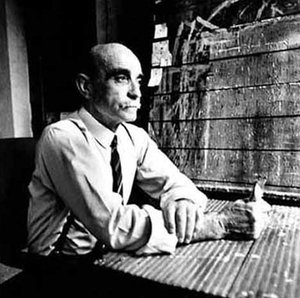
1899 - 1968 , Argentyna


Bądź na bieżąco z najnowszymi wiadomościami ze świata sztuki, ekskluzywnymi ofertami i inspiracjami dekoratorskimi.
Opowiedz nam o swoim projekcie, a nasi eksperci przygotują dla Ciebie 3 spersonalizowane propozycje dzieł sztuki.
Przygotujemy dla Ciebie 3 propozycje zupełnie za darmo!


 Podgląd w skali
 Wyślij jako kartkę
 Udostępnij
 Szczegóły dzieła

 Pobierz
 Podobne obiekty
 RTG
RTG Pokaz slajdów
 Rozwiń treść