x


 Zamów reprodukcję Kup cyfrowy obraz
 Udostępnij
 Szczegóły dzieła
 Dodaj do ulubionych
 Pobierz
 Podobne obiekty
 RTG
RTG
 Pokaz slajdów
 Akryl na płótnieSztuka ściennaEarly Cubism
 1911
1911 24.0 x 34.0 cm
Druk giclée lub płótno o jakości muzealnej z szybką realizacją i szerokim wyborem opcji wykończenia.





























Wybierz spośród naszych predefiniowanych rozmiarów, które zachowują oryginalne proporcje dzieła sztuki.

Możesz wprowadzić własne wymiary, aby dopasować dzieło do konkretnej ramy lub przestrzeni. Jeśli wybrany rozmiar nie będzie odpowiadał proporcjom oryginalnego obrazu, przytniecie dzieło lub rozszerzymy obraz za pomocą odbicia lustrzanego lub jednolitego wypełnienia krawędzi. Przed rozpoczęciem produkcji prześlemy cyfrową wizualizację do Twojej akceptacji.
Prosimy pamiętać, że podgląd na ekranie nie odzwierciedla faktycznego przycinania ani rozszerzania. Tylko wizualizacja dokładnie pokaże końcową kompozycję.
Mimo dostępności niestandardowych rozmiarów, zalecamy wybór wymiaru z listy zdefiniowanej, aby zachować oryginalne proporcje.
Dostawa na cały świat () w ciągu 2 tygodni zamiast standardowych 4/5 tygodni. (22 Lipiec)


Odkrywająca Nude
Wymiary reprodukcji
Marc Chagall’s “Reclining Nude” from 1911 is not merely a depiction of the human form; it's an immersion into a world brimming with memory, folklore, and the artist’s deeply personal vision. This gouache painting on cardboard, measuring just 24 x 34 cm, represents a pivotal moment in Chagall’s artistic evolution – a bold foray into Cubism while retaining his signature lyrical style. It's a work that whispers of Vitebsk, his childhood home, and the vibrant tapestry of Jewish life he so passionately portrayed throughout his career.
The painting immediately captivates with its dynamic composition. A female nude rests languidly on her side, an expression of serene repose suggesting both vulnerability and quiet strength. Her arm extends outwards, a gesture that simultaneously invites connection and maintains a subtle distance – a characteristic duality often found in Chagall’s figures. The background is far from static; it's a fragmented landscape, a swirling blend of earthy tones punctuated by the bright splash of a bouquet of flowers nestled within a vase near the upper left corner. This deliberate juxtaposition of stillness and movement creates a compelling tension, drawing the eye through the painting and inviting contemplation.
Created during a period of intense artistic experimentation in Paris, “Reclining Nude” reflects Chagall’s engagement with the burgeoning movements of Neo-Impressionism, Divisionism, and Fauvism. These influences coalesced to shape his unique style, characterized by bold brushstrokes, flattened perspectives, and an expressive use of color. While undeniably rooted in Cubist principles – evident in the fragmented forms and geometric shapes – Chagall resists a purely analytical approach. Instead, he employs these techniques to heighten emotional impact and convey a sense of dreamlike fluidity.
The painting’s palette is dominated by warm, earthy tones: ochres, siennas, and burnt umbers create a rich, tactile surface. These colors are juxtaposed with vibrant accents – the reds and yellows of the flowers – adding pops of energy to the composition. This skillful manipulation of color not only enhances the visual interest but also contributes to the painting’s overall mood, evoking feelings of warmth, intimacy, and perhaps even nostalgia.
Beyond its formal qualities, “Reclining Nude” is laden with symbolic meaning. The reclining figure itself can be interpreted as a representation of fertility, repose, or even vulnerability – themes frequently explored in Chagall’s work. The flowers, often associated with beauty and fleeting life, further enrich the painting's symbolism. Many art historians believe that the setting, reminiscent of Vitebsk, is central to understanding the piece. The town’s unique blend of cultures—Russian Orthodox churches alongside bustling Jewish marketplaces—forged an aesthetic sensibility that would define Chagall’s artistic universe.
Furthermore, the inclusion of a chair suggests domesticity and comfort, anchoring the figure within a personal space. It's as if we are invited into a private moment, witnessing a scene from Chagall’s own memories. The painting is not simply a representation of a nude; it’s a window into a world shaped by personal experience and cultural heritage.
“Reclining Nude” stands as a testament to Marc Chagall's innovative spirit and his ability to seamlessly blend diverse artistic influences. It exemplifies the artist’s early exploration of Cubism while retaining his distinctive lyrical style, characterized by vibrant color, expressive brushwork, and deeply personal symbolism. Works like “The Feast of the Tabernacles” and “Nude (1911)” demonstrate this consistent approach to blending styles and creating emotionally resonant imagery. Today, reproductions of this captivating painting continue to inspire artists and art enthusiasts alike, offering a glimpse into the dreamlike world of one of the 20th century’s most beloved figures.
For more information on Marc Chagall and his works, please visit: /art/list/?Filter=Marc-Chagall

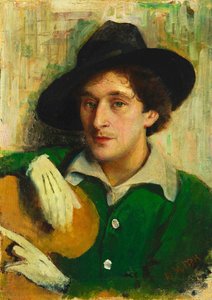
1887 - 1985 , Білорусь
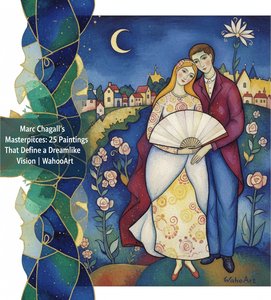
Odkryj 25 najpiękniejszych dzieł Marca Chagalla! Poznaj historie, symbole i unikalny styl tego mistrza koloru. Reprodukcje obrazów Chagalla idealne do Twojego wnętrza – Most-Famous-Paintings.com. Eksploruj pełną kolekcję online!

Odkryj 25 arcydzieł Metropolitańskiego Muzeum Sztuki! Van Gogh, Monet, Renoir i inni – historie artystów, techniki i inspiracje dla Twojego wnętrza. Reprodukcje najwyższej jakości na Most-Famous-Paintings.com. Eksploruj kolekcję online!
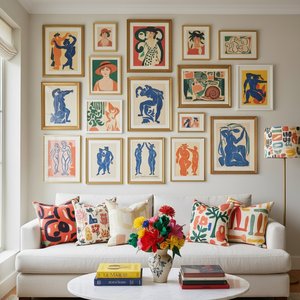
Odkryj 25 arcydzieł Henri Matisse’a – od żywych kolorów fauwizmu po ikoniczne kompozycje. Poznaj historię, technikę i inspiracje malarstwa francuskiego. Reprodukcje obrazów najwyższej jakości na Most-Famous-Paintings.com! Eksploruj kolekcję online.
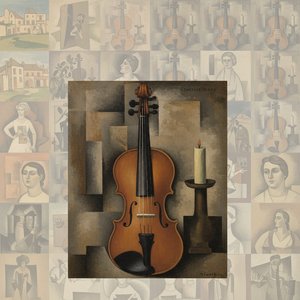
Odkryj 25 arcydzieł Georges'a Braque – pioniera kubizmu i malarstwa nowoczesnego. Poznaj historię, techniki i inspiracje za jego najsłynniejszymi obrazami. Reprodukcje najwyższej jakości na Most-Famous-Paintings.com! Eksploruj pełną kolekcję online.
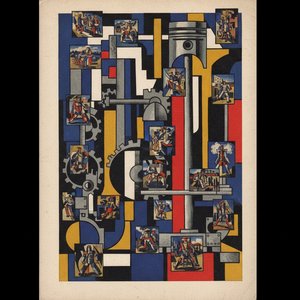
Odkryj 25 arcydzieł Fernanda Légera – pioniera kubizmu i malarstwa maszyn. Poznaj historię, technikę i inspiracje tych ikonicznych obrazów. Reprodukcje najwyższej jakości na Most-Famous-Paintings.com! Eksploruj pełną kolekcję online.


Bądź na bieżąco z najnowszymi wiadomościami ze świata sztuki, ekskluzywnymi ofertami i inspiracjami dekoratorskimi.
Opowiedz nam o swoim projekcie, a nasi eksperci od sztuki przygotują dla Ciebie 3 spersonalizowane propozycje dzieł sztuki.
Pozwól nam przygotować 3 propozycje specjalnie dla Ciebie – za darmo!


 Udostępnij

 Rozwiń treść







 Opcja szkła jest dostępna wyłącznie w rozmiarach poniżej 110 cm